
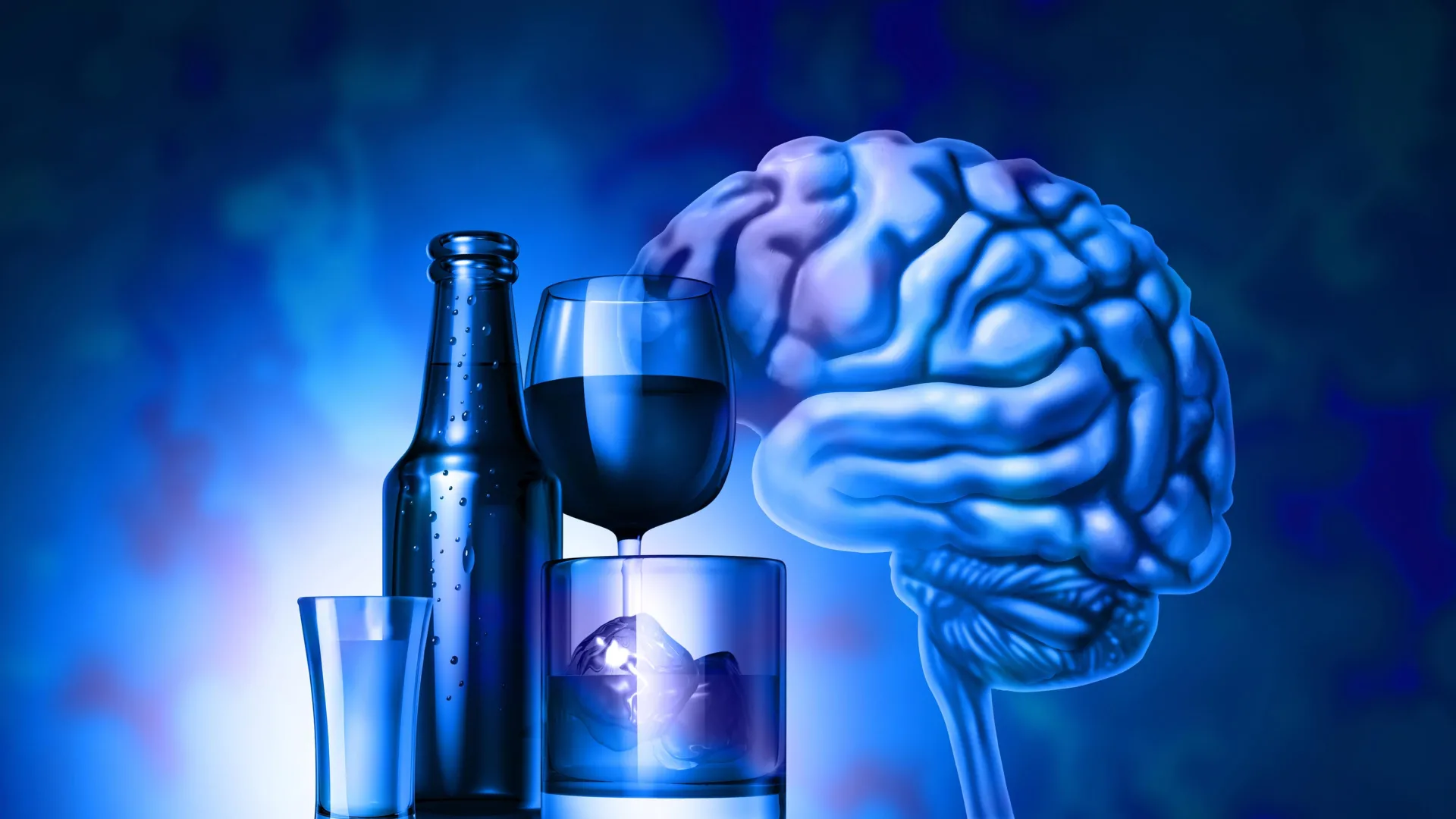
A groundbreaking investigation, recently detailed in the esteemed journal JNeurosci, has illuminated the profound and enduring consequences of experiences encountered in the womb, specifically focusing on the intricate ways prenatal alcohol exposure can sculpt the developing brain and preordain subsequent behavioral inclinations. Spearheaded by a collaborative team of scientists, including lead researchers Mary Schneider and Alexander Converse from the University of Wisconsin-Madison, this interdisciplinary endeavor meticulously scrutinized the long-term effects of maternal alcohol consumption and stress during gestation on rhesus monkey offspring, tracing these influences into their adult lives. The study’s meticulous design sought to unravel the neurobiological underpinnings of how early environmental insults can manifest as altered reward system function and distinct patterns of substance intake.
The experimental protocol ingeniously mimicked critical aspects of human prenatal environments, exposing pregnant rhesus monkeys to carefully controlled conditions designed to replicate common scenarios. A cohort of these expectant mothers received moderate quantities of alcohol, while another group was subjected to mild stressors, and a third group experienced a combination of both alcohol and stress. Following the maturation of the offspring into adulthood, the research team undertook a comprehensive examination of their neurochemistry and behavior. This involved a detailed analysis of the brain’s dopaminergic system, a crucial network involved in reward, motivation, and pleasure, and a precise measurement of their voluntary alcohol consumption patterns. The objective was to ascertain whether prenatal exposures left indelible marks on this vital system and, consequently, influenced how these adult primates interacted with alcohol.
Crucially, the findings revealed a striking correlation between prenatal insults and adult brain function. Both prenatal alcohol exposure and prenatal stress were found to induce discernible alterations in the dopaminergic pathways of the adult offspring. This suggests that the brain’s architecture and its chemical signaling mechanisms are highly susceptible to the maternal environment during critical developmental windows. Furthermore, a particularly significant observation was that monkeys with a history of prenatal alcohol exposure exhibited a demonstrably accelerated rate of alcohol consumption in adulthood. This finding provides compelling evidence for a direct link between early exposure and heightened impulsivity or a more rapid engagement with alcohol consumption.
Adding another layer of complexity and predictive power, the study demonstrated that specific neurochemical profiles within the dopaminergic system, measured in the adult offspring prior to any voluntary alcohol intake, were capable of forecasting their future drinking behaviors. This groundbreaking insight challenges the conventional understanding that problematic drinking arises solely from post-natal experiences and suggests that certain neural predispositions may be established long before an individual ever engages in substance use. These observations resonate strongly with existing human epidemiological data concerning alcohol use disorder, reinforcing the hypothesis that underlying neurobiological vulnerabilities can be present from an early stage, potentially setting the stage for the development of addiction.
The investigation did not cease at the point of initial exposure; it also delved into the dynamic neurobiological changes that occur as adult offspring actively consumed alcohol. As the animals engaged with alcohol, further modifications within the dopaminergic system were observed. These dynamic adjustments were not uniform across all individuals, highlighting a significant degree of variability in how each primate’s brain responded to the presence of alcohol. This individualized neurobiological response is posited by the research team to play a pivotal role in the transition from normative drinking behaviors to the development of alcohol use disorder in susceptible individuals. This suggests a complex interplay between pre-existing vulnerabilities and ongoing environmental influences in shaping addiction trajectories.
The implications of these findings for public health and prenatal care are profound and far-reaching. The researchers underscore the unambiguous message that abstaining from alcohol during pregnancy is paramount, as prenatal alcohol exposure is demonstrably linked to the establishment of unhealthy and potentially problematic drinking patterns later in life. While this particular study did not establish a direct causal relationship between prenatal stress and adult alcohol consumption, the authors prudently acknowledge that prenatal stress may exert its influence on a broader spectrum of behaviors not directly assessed in this research. This leaves open the possibility of other, unexamined developmental consequences.
The scientific rigor of this study is further bolstered by its experimental design, which was intentionally crafted to closely mirror the complex and often intertwined nature of prenatal alcohol exposure and stress as they occur in human pregnancies. This deliberate alignment significantly enhances the clinical relevance of the study’s outcomes, effectively bridging the often-observed gap between findings derived from animal models and their applicability to human health. By providing a more accurate representation of real-world prenatal challenges, the research offers a more robust foundation for understanding the long-term health implications for humans and informs strategies for prevention and intervention. The identification of specific dopaminergic markers that predict future drinking behavior could pave the way for early identification and targeted support for individuals at higher risk.
About the Author












