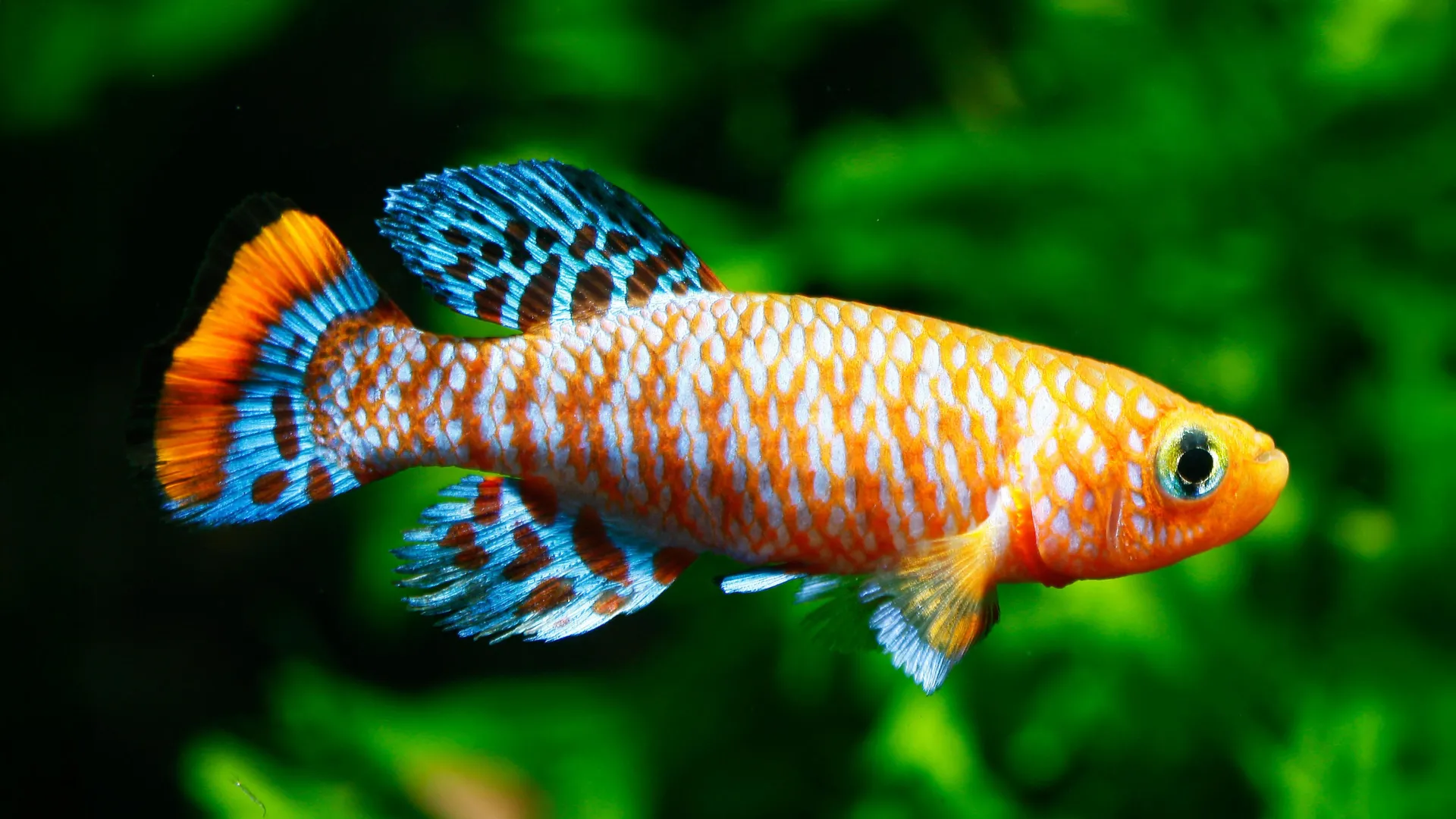
A groundbreaking investigation, detailed in the latest issue of Kidney International, has leveraged the remarkably swift life cycle of the African turquoise killifish to unravel the complexities of kidney aging and the protective mechanisms of a widely utilized class of pharmaceuticals. This diminutive aquatic vertebrate, known for completing its entire existence within a mere handful of months, presents an unparalleled biological system for dissecting the fundamental processes of senescence. The findings from this research offer profound insights into the underlying biological mechanisms responsible for the cardioprotective and renoprotective effects observed with SGLT2 inhibitors in human patients, effects that extend significantly beyond their primary function of glycemic control. Furthermore, this study elevates the African turquoise killifish to a pivotal position as an indispensable tool for future investigations into organ aging and the rapid preclinical evaluation of therapeutic agents designed to enhance organ resilience throughout the lifespan.
The African turquoise killifish (Nothobranchius furzeri) stands as a remarkable exemplar of accelerated biological aging, navigating its complete life journey from birth to natural demise in approximately four to six months. Within this compressed timeframe, an international consortium of thirteen scientists, affiliated with esteemed institutions such as MDI Biological Laboratory, Hannover Medical School, and Colby College, meticulously documented the development of age-related renal pathologies in this species. Their observations revealed a striking parallelism between the degenerative changes occurring in the killifish kidneys and those characteristically observed in the aging human renal system.
As the killifish progressed through its brief life, significant structural and functional alterations became evident within their kidneys. These included a discernible reduction in the density of microvasculature, commonly referred to as vascular rarefaction, compromising the delicate filtration barrier essential for kidney function. Concurrently, inflammatory markers escalated, and critical cellular processes governing energy production and regulation within renal cells became dysregulated. These specific hallmarks of kidney deterioration are well-established indicators of senescence and disease progression in the human population, underscoring the profound translational relevance of this model organism.
The expedited nature of these age-related transformations in the killifish model confers a distinct advantage for scientific inquiry. Researchers can effectively observe and analyze the complete trajectory of kidney aging within a substantially abbreviated period, a stark contrast to the protracted timelines required for similar studies in longer-lived mammalian models, such as rodents. This temporal compression dramatically enhances the feasibility and efficiency of evaluating the efficacy of potential therapeutic interventions aimed at mitigating or reversing age-associated organ decline.
The focus of the investigation subsequently shifted to a comprehensive examination of sodium-glucose cotransporter-2 (SGLT2) inhibitors, a class of drugs frequently prescribed for the management of diabetes-associated cardiovascular and chronic kidney diseases. While the clinical benefits of these medications in preserving renal and cardiac health in diverse patient populations, including those without diabetes, have been empirically established, the precise molecular and cellular underpinnings of these protective effects have remained a subject of ongoing scientific exploration.
Dr. Hermann Haller, a senior author of the study and President of MDI Biological Laboratory, articulated the significance of this research gap, stating, "These drugs are already known to protect the heart and kidneys in patients with and without diabetes. What has been less clear is how they do so." This study aimed to bridge that knowledge deficit by dissecting the mechanisms at play within the accelerated aging model.
The administration of SGLT2 inhibitors to the killifish yielded compelling results, demonstrating a marked preservation of renal health as the fish aged. Treated individuals exhibited a sustained density of capillary networks within their kidneys, indicating a robust maintenance of the microvasculature. Moreover, their renal filtration barriers remained more intact, and the intricate processes of cellular energy production within kidney cells demonstrated greater stability compared to their untreated counterparts.
Beyond structural preservation, the SGLT2 inhibitor treatment also fostered improved intercellular communication among various kidney cell types and significantly attenuated the inflammatory cascade, which is a pervasive contributor to age-related tissue damage. This suppression of inflammation was evident even at the genetic expression level. Dr. Haller further elaborated on the implications of these findings: "Together, these upstream effects provide a biological explanation for clinical observations that the benefits of SGLT2 inhibitors often exceed what would be expected from glucose control alone. They help explain why these drugs consistently reduce kidney and cardiovascular events across diverse patient populations." These insights provide a crucial mechanistic link between the observed clinical outcomes and the cellular-level actions of the drugs.
A particularly striking observation in the untreated, aging killifish was the progressive erosion of capillaries, a phenomenon known as vascular rarefaction. This decline in microvascular support led to a discernible shift in cellular energy metabolism, whereby kidney cells moved away from their preferred and highly efficient reliance on mitochondrial respiration towards less effective alternative energy production pathways. This metabolic compromise exacerbates cellular dysfunction and contributes to overall organ decline.
In stark contrast, killifish that received SGLT2 inhibitors maintained more resilient capillary networks and displayed gene expression patterns that more closely mirrored those of younger, healthier animals. These "youthful transcriptional profiles" were intrinsically linked to improved energy metabolism and a substantial reduction in inflammatory activity, suggesting that the drug actively counteracts age-induced cellular and molecular changes.
The utility of the African turquoise killifish as a model for accelerating aging research with direct human relevance cannot be overstated. Dr. Anastasia Paulmann, the study’s lead author and a former postdoctoral researcher at MDI Bio Lab with a concurrent clinical appointment at Hannover Medical School, was instrumental in establishing and maintaining the killifish colony at MDI Bio Lab’s Kathryn W. Davis Center for Regenerative Biology and Aging. Dr. Paulmann emphasized the model’s power in this regard: "Seeing these effects emerge so clearly in a rapid-aging model like our killifish was striking. What impressed me most was how a seemingly simple drug influences so many interconnected systems within the kidney — from blood vessels and energy metabolism to inflammation and overall function." This holistic impact of the drug on multiple interconnected systems underscores its multifaceted protective role.
By effectively compressing decades of kidney aging into a mere few months, the killifish model provides a practical and efficient platform for evaluating the impact of both existing and novel therapeutic agents on organ resilience over time. This accelerated assessment capability holds significant promise for identifying the most promising therapeutic candidates for further development and eventual progression into human clinical trials, thereby streamlining the drug discovery and development pipeline.
The research team is already charting a course for future investigations, with plans to explore the potential of SGLT2 inhibitors to facilitate the repair of kidney tissue following the onset of age-related damage. Additionally, they aim to elucidate how variations in the timing and duration of therapeutic intervention might influence long-term renal health outcomes. These follow-up studies will benefit from the expanded and renovated laboratory facilities at MDI Bio Lab, a key component of the institution’s MDI Bioscience initiative, which is dedicated to translating fundamental scientific discoveries into actionable strategies for improving human health. This research was generously supported by grants from the National Institutes of Health (P30GM154610, P20GM203423), the Morris Discovery Fund, the Scott R. McKenzie Foundation, and MDI Biological Laboratory.
About the Author