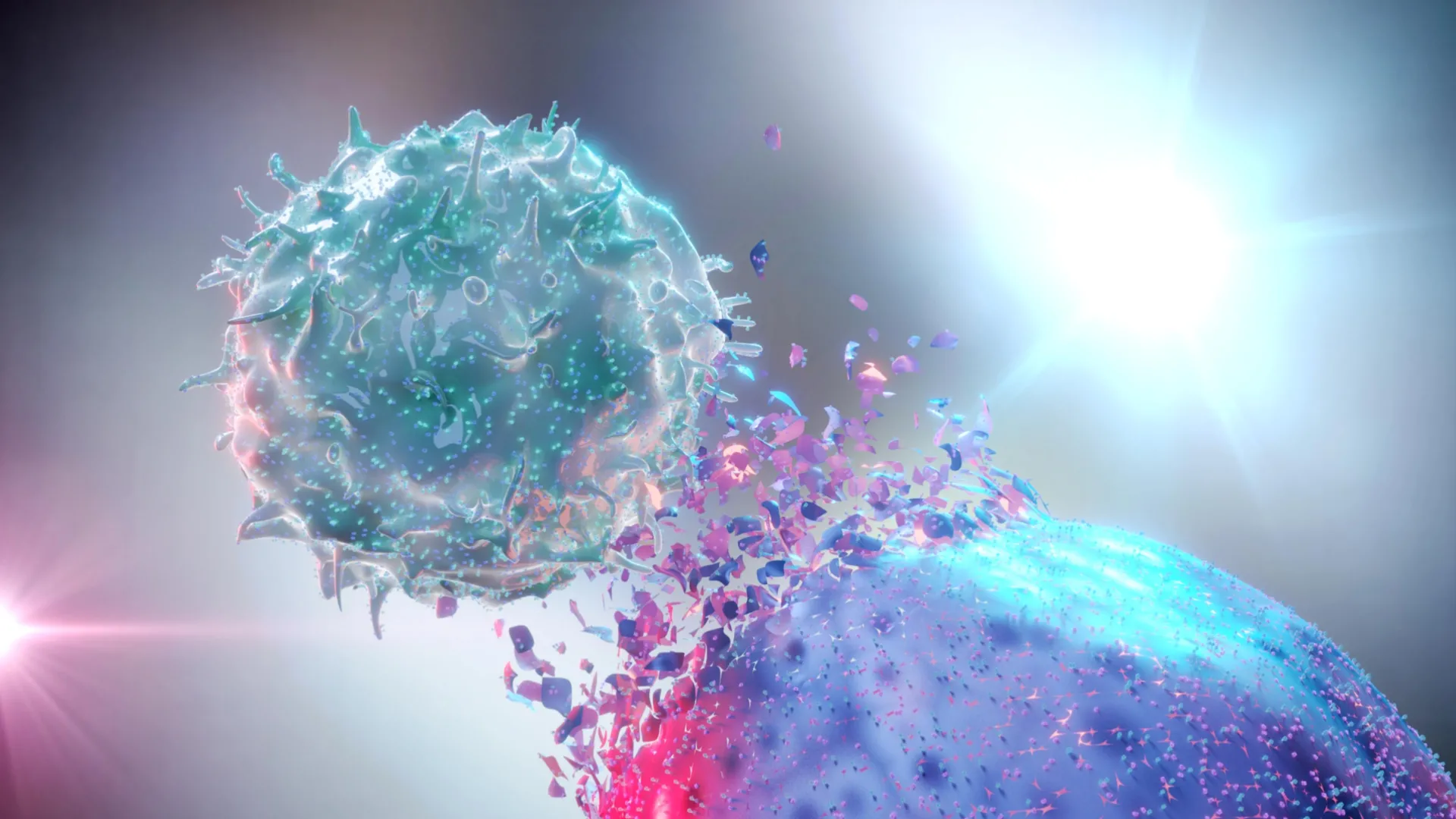
Scientists in Brazil have achieved a significant breakthrough in the field of cancer immunotherapy, engineering natural killer (NK) cells to become formidable allies in the fight against malignancies. This innovative research, conducted by a collaborative team from the Ribeirão Preto Blood Center and the Center for Cell-Based Therapy (CTC), focuses on enhancing the intrinsic power and targeting accuracy of these crucial immune system components. By meticulously redesigning chimeric antigen receptors (CARs) – the molecular antennae that allow immune cells to recognize and bind to cancer cells – the researchers have unlocked a more potent and responsive cellular weapon. The core of their advancement lies in integrating specific internal signaling molecules, known as costimulatory components, into the CAR architecture. Among these, the incorporation of 2B4 and DAP12 has proven particularly impactful, essentially priming the NK cells for immediate and aggressive engagement with tumor targets. This sophisticated modification has demonstrated a marked improvement in the cells’ capacity to eliminate cancerous growths, as detailed in a recent publication in the esteemed journal Frontiers in Immunology.
The landscape of cancer treatment has been profoundly reshaped in recent years by the advent of CAR-based therapies, which have demonstrated remarkable success, especially in combating hematological cancers. While CAR-T cell technology, utilizing T lymphocytes, has been extensively explored and implemented, the optimization of CAR-NK cells remains an active and dynamic area of scientific inquiry. A fundamental challenge within this research frontier is the precise identification of the intracellular signaling pathways that govern the peak performance of NK cells. Understanding these intricate mechanisms is paramount to unlocking their full therapeutic potential.
The current study directly addresses this critical knowledge gap by delving into the specific influence of various signaling domains on the activation and efficacy of NK cells. The strategic infusion of the 2B4 and DAP12 molecules into the CAR construct has yielded demonstrable improvements in the cells’ readiness to act, thereby elevating their effectiveness in identifying and eradicating tumor cells. This meticulous approach to receptor engineering allows for a more finely tuned and potent immune response.
Beyond simply amplifying the cells’ inherent aggressive capabilities, the research team has also ventured into novel strategies for modulating their activity through pharmacologically controlled interventions. They have investigated the potential of dasatinib, a pharmaceutical agent known to temporarily inhibit cellular functions, to ascertain whether controlled interruptions in activity could paradoxically enhance overall performance. This exploration into reversible control mechanisms represents a significant step towards developing more sophisticated and manageable cell-based therapies. The integration of optimized activation signals with a reversible pharmacological control system suggests a promising pathway toward enhancing both the robustness and the efficiency of CAR-NK cell treatments. Such a dual approach could pave the way for the development of next-generation cancer therapies that are not only more powerful but also more adaptable to individual patient needs and treatment protocols.
Preclinical investigations, conducted using animal models to simulate human cancer progression, have yielded highly encouraging outcomes, according to information released by the Ribeirão Preto Blood Center Press Office. These experiments revealed that CAR-NK cells engineered with the 2B4-DAP12 combination and subsequently subjected to a brief pretreatment with dasatinib exhibited superior control over tumor growth. This enhanced efficacy was observed when compared to more conventional iterations of CAR-NK cell therapy, underscoring the tangible benefits of the advanced engineering and controlled modulation techniques employed in this research. The ability to exert stronger influence over tumor proliferation in these models offers a compelling glimpse into the potential clinical impact of these refined cellular therapies.
The collaborative nature of this groundbreaking research is a testament to the strength of institutional partnerships in advancing scientific frontiers. The Center for Cell-Based Therapy (CTC) functions as a vital component of the Research, Innovation, and Dissemination Centers (RIDCs) program, an initiative generously supported by FAPESP, a prominent Brazilian funding agency dedicated to fostering scientific advancement. The CTC operates under the umbrella of the Ribeirão Preto Blood Center and maintains close affiliations with the renowned Hospital das Clínicas, which serves as the teaching hospital for the Ribeirão Preto Medical School at the University of São Paulo (FMRP-USP). This synergistic collaboration, bridging cutting-edge research with clinical application and robust institutional backing, is instrumental in driving such complex and impactful scientific endeavors forward.
Collectively, these findings herald the emergence of a new generation of CAR-NK therapies. This innovative wave of treatments promises to offer more potent, adaptable, and controllable modalities for confronting and overcoming cancer. The ability to precisely engineer immune cells and then fine-tune their activity through pharmacological means represents a significant leap forward, potentially translating into more effective and personalized cancer care for patients worldwide. The future of immunotherapy appears increasingly sophisticated, leveraging the body’s own defenses with unprecedented precision and control.
About the Author