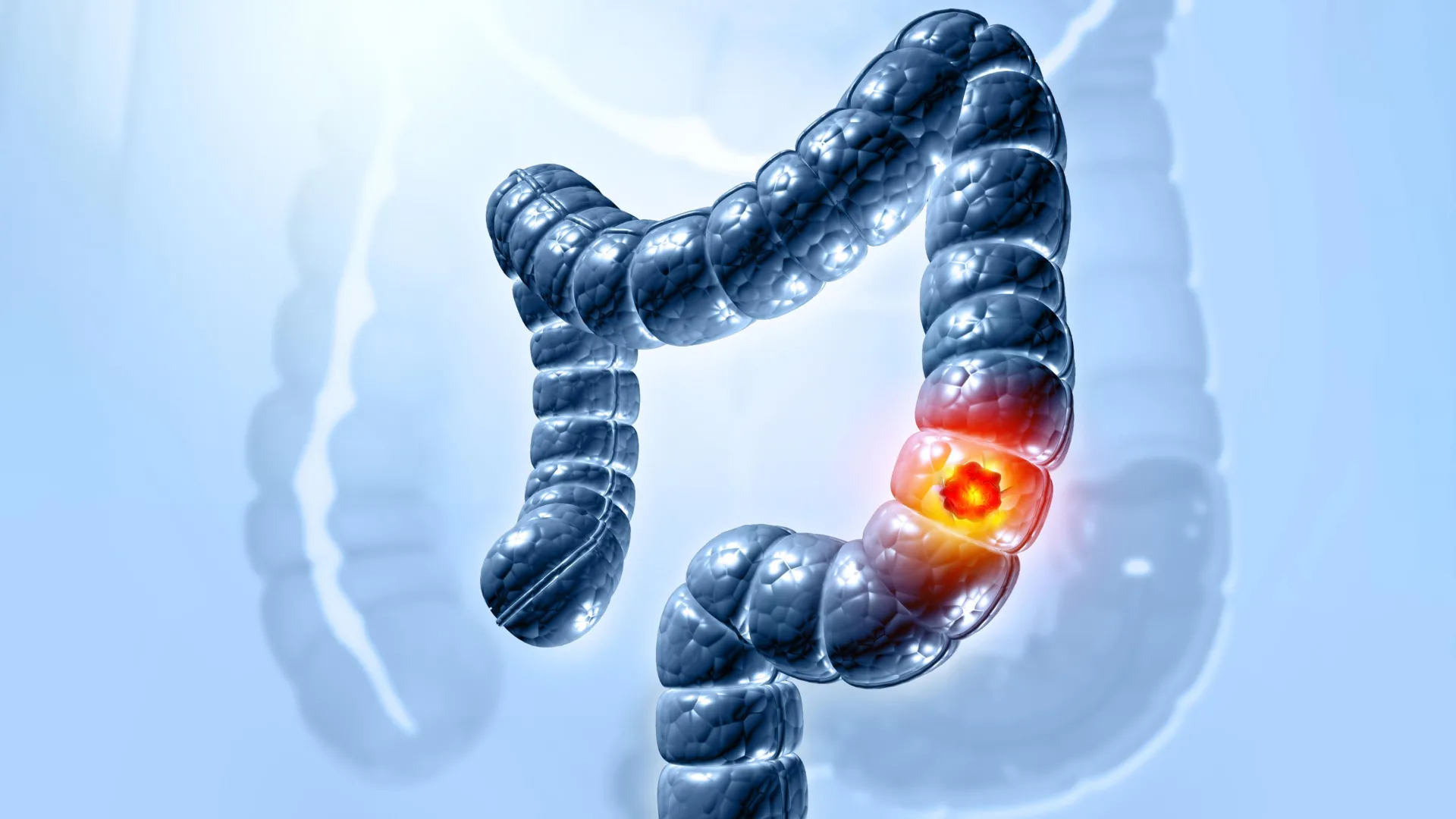
The study’s robust methodology involved an in-depth analysis of longitudinal health records pertaining to a substantial cohort of American adults who were initially free of cancer diagnoses. These participants were enrolled in the National Cancer Institute (NCI)’s Prostate, Lung, Colorectal, and Ovarian (PLCO) Cancer Screening Trial. Over a surveillance period spanning two decades, researchers meticulously tracked the health outcomes of approximately 88,092 individuals, ultimately identifying 1,679 instances of colorectal cancer diagnoses within this group. This extensive dataset provided the fertile ground for dissecting the intricate relationship between lifestyle factors, specifically alcohol consumption patterns, and the development of this prevalent cancer.
Delving deeper into the data, the researchers categorized participants based on their average lifetime alcohol intake. Those individuals who reported consuming an average of 14 or more alcoholic beverages per week throughout their lives were designated as "heavy drinkers." When compared against a control group averaging less than one drink per week over their lifespan, this heavy-drinking cohort exhibited a striking 25% greater likelihood of being diagnosed with colorectal cancer. The magnitude of risk was even more alarming when focusing specifically on rectal cancer, where the incidence nearly doubled, registering a substantial 95% increase in risk among heavy lifetime consumers. This observation underscores the specific vulnerability of the rectal region to the detrimental effects of chronic, high-volume alcohol intake.
An additional layer of analysis examined drinking behaviors across different adult life stages. The study revealed that individuals who maintained a pattern of heavy alcohol consumption for extended periods demonstrated a significantly elevated risk of developing colorectal cancer, a staggering 91% higher than their counterparts who consistently consumed only minimal amounts of alcohol. This temporal dimension of alcohol intake is crucial, highlighting that the duration of exposure to high levels of alcohol is a potent driver of carcinogenic processes.
Perhaps one of the most encouraging aspects of this research is its exploration of the impact of cessation. The data indicated that individuals who had previously consumed alcohol but had subsequently quit the habit did not exhibit an increased risk of colorectal cancer. Moreover, former drinkers demonstrated a reduced propensity for developing non-cancerous colorectal tumors, medically termed adenomas – lesions that carry the potential to progress into malignant growths. This finding strongly suggests that relinquishing alcohol consumption can indeed have a beneficial effect on colorectal health, potentially reversing or halting the carcinogenic cascade initiated by prior drinking. However, the researchers wisely acknowledged that the data pertaining to former drinkers, while promising, were relatively limited, necessitating further investigation to solidify these conclusions.
The biological underpinnings of this observed association between alcohol consumption and heightened cancer risk are multifaceted and warrant further exploration. One plausible explanation involves the metabolic byproducts of alcohol breakdown within the body. Ethanol, the primary psychoactive component of alcoholic beverages, is metabolized into acetaldehyde, a known carcinogen that can damage cellular DNA and interfere with DNA repair mechanisms. This cellular damage, accumulating over time, can initiate the uncontrolled cell growth characteristic of cancer.
Another area of significant interest lies in alcohol’s potential influence on the gut microbiome. The trillions of microorganisms residing in the digestive tract play a critical role in maintaining intestinal health, modulating immune responses, and influencing nutrient absorption. Chronic alcohol consumption has been shown to disrupt the delicate balance of the gut microbiome, leading to dysbiosis – an imbalance of microbial populations. This dysbiotic state can promote chronic inflammation, compromise the integrity of the intestinal barrier, and alter the production of metabolites that can either protect against or promote cancer development.
The study’s co-senior author, Erikka Loftfield, PhD, MPH, from the NCI, emphasized the novelty and significance of their findings. "Our study is one of the first to explore how drinking alcohol over the life course relates to both colorectal adenoma and colorectal cancer risk," she stated. "While the data on former drinkers were sparse, we were encouraged to see that their risk may return to that of the light drinkers." This sentiment highlights the potential for reversible risk, a crucial message for public health initiatives aimed at cancer prevention. The implications of this research extend beyond individual behavior, informing public health policy, clinical screening guidelines, and educational campaigns focused on reducing the burden of colorectal cancer.
The research team’s meticulous approach, analyzing a large cohort over an extended period, lends significant weight to their conclusions. By distinguishing between different patterns and durations of alcohol use, they have provided a more nuanced understanding of the dose-response relationship between alcohol and cancer. The distinction between current and former drinkers, and the observed differential risks, offers valuable insights into the potential for intervention and the body’s capacity for recovery when harmful exposures are removed.
The findings also underscore the importance of considering lifetime exposure when assessing the risks associated with chronic behaviors. In an era where lifestyle factors are increasingly recognized as central to disease prevention, this study provides compelling evidence that the cumulative impact of seemingly moderate, yet prolonged, alcohol consumption can have profound long-term health consequences. The significant increase in rectal cancer risk associated with heavy lifetime drinking, in particular, demands attention from healthcare providers and individuals alike.
Future research endeavors will undoubtedly build upon this foundation, aiming to further elucidate the precise molecular pathways through which alcohol exerts its carcinogenic effects. Understanding these mechanisms will be crucial for developing targeted chemopreventive strategies and personalized risk assessment tools. Furthermore, continued investigation into the benefits of alcohol cessation, with larger and more robust datasets for former drinkers, will be essential to quantify the extent of risk reduction and to provide definitive guidance for individuals seeking to improve their health outcomes. The interplay between genetics, diet, and alcohol consumption in the context of colorectal cancer development also represents a rich area for future inquiry, promising a more holistic understanding of this complex disease.
About the Author