
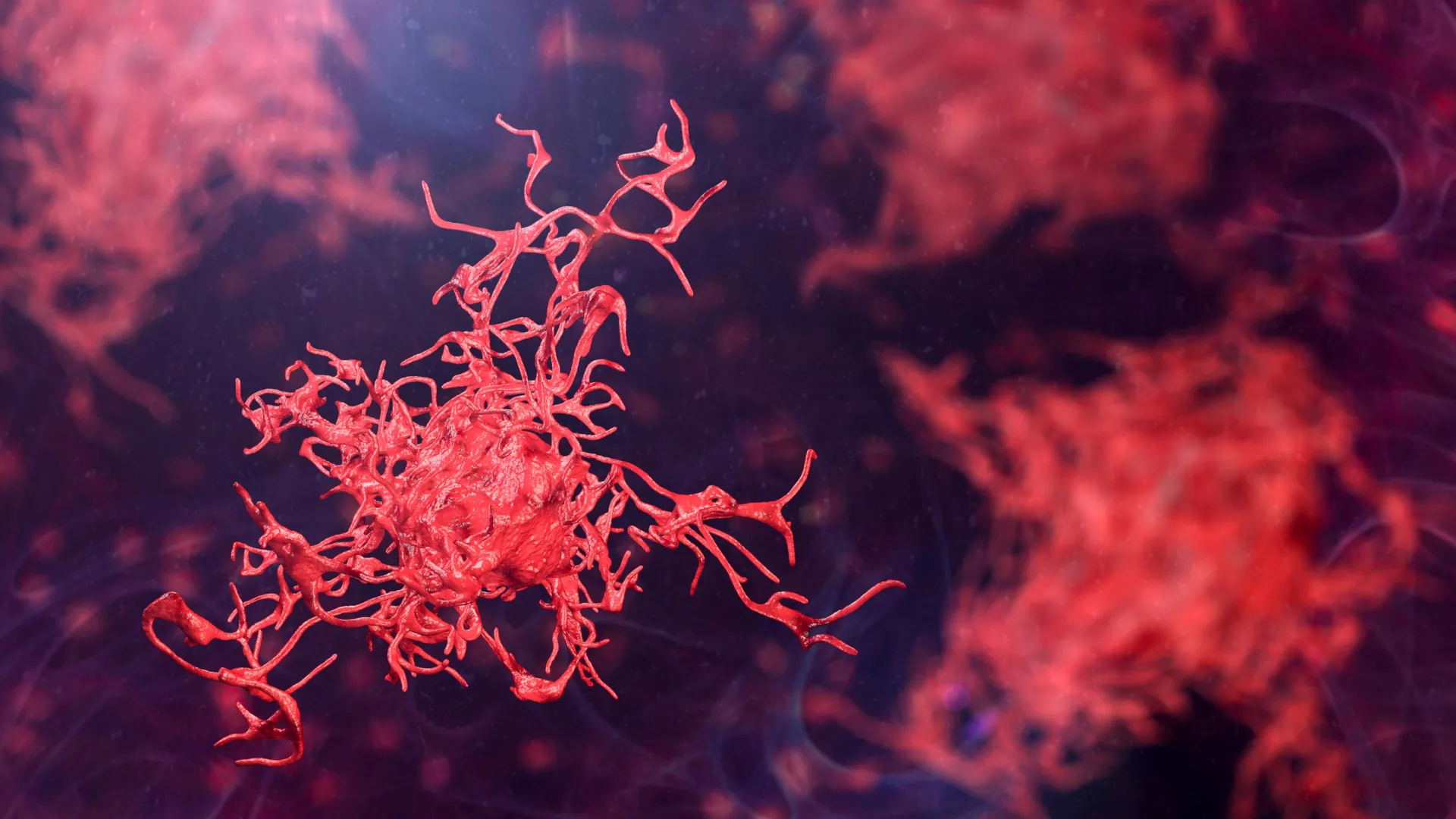
A growing international concern is being voiced by environmental and public health experts regarding a class of microscopic organisms, known as free-living amoebae, which are exhibiting an alarming and expanding global presence. These single-celled entities, ubiquitous in soil and water environments, are increasingly recognized not merely as natural components of ecosystems but as potential vectors for severe human health risks. A recent comprehensive analysis published in the journal Biocontaminant details the confluence of factors contributing to this escalating threat, including the pervasive influence of climate change, the degradation of aging water infrastructure, and the persistent inadequacies in global monitoring and detection capabilities for these resilient pathogens.
While the vast majority of amoebae species are benign, a select group possesses the capacity to instigate serious, and in some instances, fatal human diseases. Perhaps the most notorious among these is Naegleria fowleri, infamously dubbed the "brain-eating amoeba." This particular species is responsible for a rare but devastating neurological infection that carries an exceedingly high mortality rate. Transmission typically occurs when water contaminated with the amoeba enters the nasal passages, often during recreational activities such as swimming or diving in warm freshwater bodies. The organism then migrates along the olfactory nerve to the brain, where it unleashes a rapid and destructive inflammatory response.
The remarkable hardiness of these pathogenic amoebae presents a significant challenge to containment efforts, as highlighted by the research team. Corresponding author Longfei Shu of Sun Yat-sen University explains that their survival capabilities extend far beyond those of many other microorganisms. "These organisms possess an extraordinary resilience, enabling them to thrive in environments that would prove lethal to a multitude of other microbes," Dr. Shu stated. Their tolerance extends to elevated temperatures, robust chemical disinfectants like chlorine, and even the ability to establish persistent colonies within intricate water distribution networks, systems that are generally presumed to be secure and purified for public consumption. This inherent hardiness makes them difficult to eradicate using conventional disinfection protocols.
Furthermore, the research illuminates a concerning dual role that amoebae play in public health, acting as protective harbors for other pathogenic microorganisms. Within the cellular structure of amoebae, bacteria and viruses can find refuge, shielded from the disinfecting agents that would ordinarily neutralize them. This phenomenon, often described as a "Trojan horse" mechanism, facilitates the enduring presence and dissemination of harmful pathogens through potable water supplies. The implications of this protective effect are far-reaching, potentially contributing not only to the spread of waterborne illnesses but also to the growing challenge of antibiotic resistance, as bacteria shielded within amoebae may develop or maintain resistance to antimicrobial treatments.
The ongoing intensification of global temperatures is projected to exacerbate this already precarious situation. Warmer climatic conditions are expected to create more favorable habitats for thermophilic amoebae, enabling their geographic expansion into regions where they were previously considered uncommon or absent. This environmental shift has already been implicated in several recent outbreaks linked to exposure through recreational water activities, prompting heightened public apprehension across numerous nations. The geographical distribution of these organisms is no longer confined to historically warmer climates, as warming trends create new, hospitable environments.
In response to this multifaceted threat, the authors of the Biocontaminant perspective advocate for a robust and coordinated "One Health" approach. This integrated strategy necessitates a collaborative effort involving public health agencies, environmental scientists, and water resource management authorities. Key to this endeavor, they stress, is the implementation of enhanced surveillance systems capable of early detection, the development of more rapid and precise diagnostic tools for identifying infections and environmental contamination, and the adoption of advanced water treatment technologies designed to mitigate risks proactively before human exposure occurs.
"The challenge posed by amoebae transcends simple categorization as solely a medical or an environmental problem," Dr. Shu emphasized. "These pathogens occupy a critical nexus between human health and the environment, and effective solutions must therefore be integrated, addressing the issue holistically to safeguard public well-being at its fundamental origins." This holistic perspective underscores the interconnectedness of ecological health, water security, and human disease prevention, calling for a paradigm shift in how we approach the management of these resilient and increasingly pervasive microscopic threats. The need for interdisciplinary collaboration is paramount to developing comprehensive strategies that can effectively counter the global spread of pathogenic amoebae and protect vulnerable populations from their potentially devastating consequences. Future research must focus on understanding the complex ecological interactions that favor their proliferation and on innovating cost-effective and scalable solutions for water treatment and public health surveillance worldwide.
About the Author












