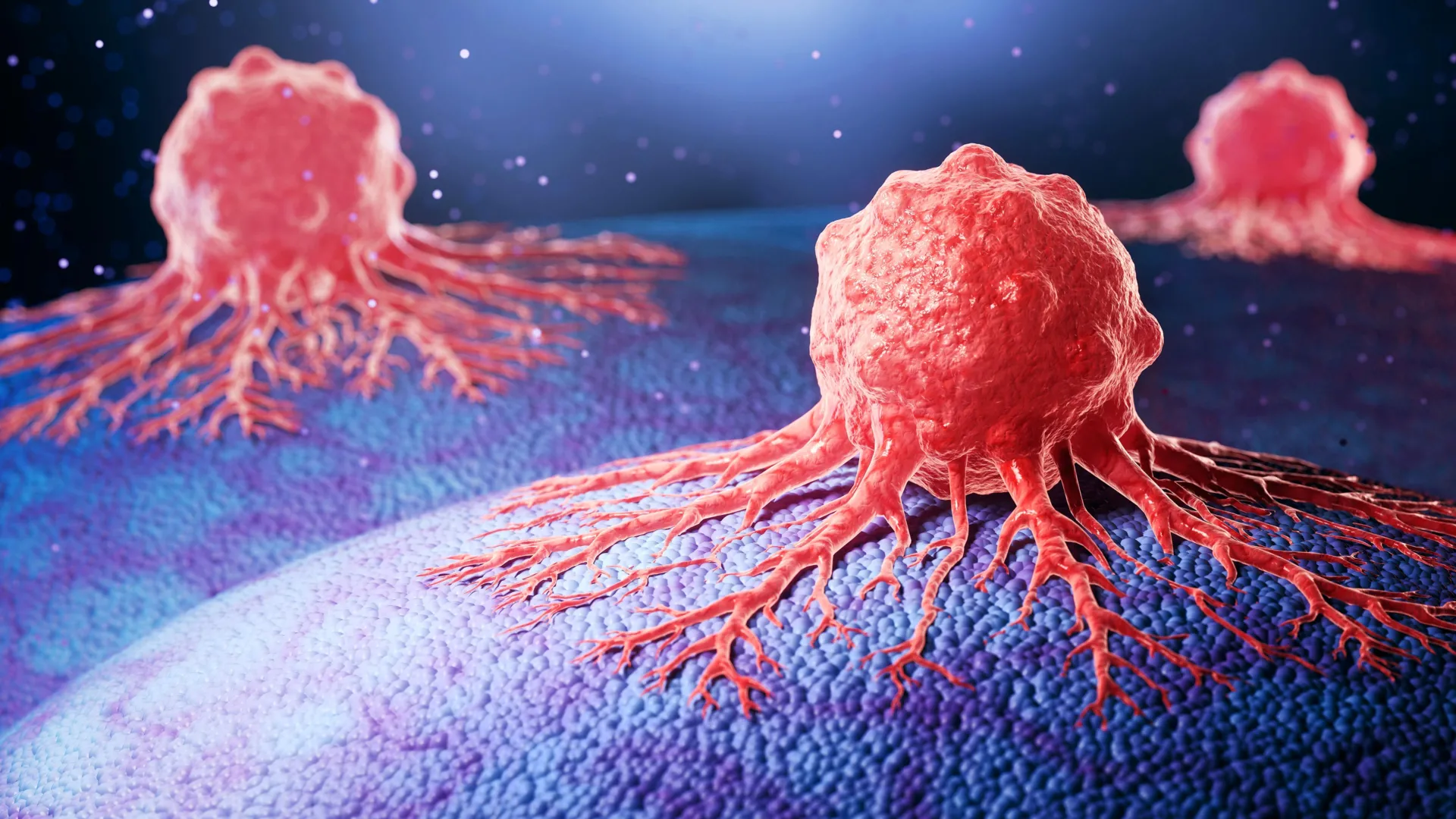
A groundbreaking international research collaboration has illuminated a sophisticated biological mechanism employed by aggressive cancers, particularly pancreatic cancer, to circumvent the body’s natural immune defenses. Published in the esteemed journal Cell, these findings reveal a previously unrecognized function of the well-known oncoprotein MYC, demonstrating how it actively silences cellular alarm signals that would otherwise trigger an immune response. This discovery not only provides a deeper understanding of tumor biology but also paves the way for a new generation of highly targeted therapies designed to re-sensitize hard-to-treat malignancies to immune attack.
Pancreatic cancer stands as one of the most formidable adversaries in oncology, notorious for its late diagnosis, rapid progression, and resistance to conventional treatments. Its five-year survival rate remains distressingly low, largely due to its aggressive metastatic potential and its remarkable ability to evade detection and destruction by the immune system. For decades, researchers have grappled with the mystery of how such fast-growing tumors, often driven by hyperactive cellular processes, manage to fly under the radar of the body’s vigilant immune surveillance. The newly published study, spearheaded by a consortium of scientists from the University of Würzburg (JMU), the Massachusetts Institute of Technology (USA), and Würzburg University Hospital, offers a compelling answer to this critical question.
At the heart of this revelation lies the MYC protein, a molecule long recognized as a central orchestrator of cell growth and division. Often dubbed a "master regulator," MYC is a powerful oncoprotein whose uncontrolled activity is implicated in the development and progression of a vast array of human cancers. In normal, healthy cells, MYC plays an essential role in regulating the cell cycle, promoting proliferation and metabolism. However, when MYC becomes deregulated and overexpressed, it acts as a potent driver of uncontrolled tumor growth, pushing cells to divide relentlessly. Despite its well-documented role in fueling cancerous proliferation, targeting MYC directly has proven exceptionally challenging. Because MYC is so fundamental to the function of healthy cells, broad inhibition of its activity typically leads to severe, dose-limiting toxicities, making it an "undruggable" target in many therapeutic contexts. This inherent difficulty has spurred a continuous search for alternative strategies to counteract its oncogenic influence.
The pivotal insight from this international team, led by Martin Eilers, Chair of Biochemistry and Molecular Biology at JMU and part of the Cancer Grand Challenges KOODAC team, centers on the discovery that MYC possesses a distinct, second function, separate from its well-established role in DNA binding and gene transcription. Under the unique and stressful conditions prevalent within rapidly expanding tumor environments, MYC undergoes a remarkable shift in behavior. Instead of solely interacting with DNA to activate genes related to growth, it begins to preferentially bind to newly synthesized RNA molecules. This altered binding preference triggers a crucial molecular cascade.
As MYC proteins increasingly bind to RNA, they begin to aggregate, forming dense, liquid-like structures within the cell known as molecular condensates or multimers. These condensates act as specialized cellular compartments, effectively creating localized hubs where specific proteins are concentrated. Crucially, the researchers found that these MYC-RNA condensates selectively recruit and sequester the exosome complex – a cellular machinery primarily responsible for degrading and recycling RNA.
The exosome complex’s role in this newly uncovered mechanism is paramount. Inside cells, metabolic processes, particularly active gene transcription, can sometimes produce aberrant RNA-DNA hybrid molecules. Under normal circumstances, these hybrids are viewed by the cell as indicators of stress or damage. They function as endogenous "danger signals," akin to a cellular alarm system, designed to alert the immune system to potential threats or abnormalities within the cell. If these hybrids accumulate, they can trigger innate immune pathways, prompting immune cells to recognize and eliminate the compromised cell, which in the case of cancer, would mean attacking the tumor.
By forming condensates that recruit the exosome complex, MYC effectively orchestrates the rapid and localized destruction of these immune-activating RNA-DNA hybrids. This systematic degradation ensures that the critical immune alarm signals are dismantled before they can ever fully manifest or activate the broader immune response. Consequently, the tumor cells remain cloaked from detection, allowing them to proliferate unchecked while the immune system remains largely unaware of their presence. The scientific team, including key experimental contributors Leonie Uhl, Amel Aziba, and Sinah Löbbert, meticulously demonstrated that this immune-evading capability is dependent on a specific RNA-binding region within the MYC protein. A particularly striking aspect of this discovery is the revelation that this RNA-binding domain is not required for MYC’s fundamental role in driving cell growth. This mechanistic separation implies that MYC’s two primary functions – promoting proliferation and suppressing immune detection – are distinct and can potentially be targeted independently.
To rigorously test the therapeutic implications of their findings, the scientists engineered MYC proteins that were unable to bind RNA, thus incapacitating their ability to recruit the exosome complex and silence the immune alarms. The results from in vivo experiments using animal models were profoundly encouraging. Pancreatic tumors with normal, functional MYC exhibited aggressive growth, expanding approximately 24-fold within a 28-day period. In stark contrast, tumors harboring the genetically modified MYC protein, incapable of RNA binding, underwent a dramatic collapse over the same timeframe, shrinking by an astonishing 94 percent. A critical caveat, however, underscored the central role of the immune system: this tumor regression was observed only in animals with an intact and functional immune system, definitively confirming that the therapeutic effect was mediated by the re-activation of the body’s natural defenses.
This revelation represents a significant paradigm shift in the strategic approach to targeting MYC-driven cancers. Historically, the challenge of targeting MYC stemmed from its pervasive and essential roles in both cancerous and healthy cells. The ability to distinguish and selectively inhibit MYC’s immune-evading function, while potentially leaving its growth-promoting activity largely undisturbed, offers an unprecedented therapeutic window. As Martin Eilers elaborated, "Instead of completely switching off MYC, future drugs could specifically inhibit only its ability to bind RNA. This would potentially leave its growth-promoting function untouched, but lift the tumor’s cloak of invisibility." Such a precision-based approach could effectively disarm the tumor’s immune-evasion machinery, allowing the immune system to recognize, engage, and ultimately eradicate the cancer cells.
Despite the immense promise these findings hold, the researchers emphasize that the journey from laboratory discovery to clinical application is a lengthy one. Numerous questions remain to be addressed in subsequent research phases. For instance, a deeper understanding is needed regarding the precise mechanisms by which immune-activating RNA-DNA hybrids exit the cell nucleus to trigger cytoplasmic immune sensors. Furthermore, elucidating how MYC’s RNA-binding activity intricately shapes the local tumor microenvironment will be crucial for developing effective therapeutic interventions. These detailed mechanistic investigations are vital steps towards designing drugs that can safely and effectively disrupt this newly identified pathway in human patients.
The profound impact of this research also highlights the invaluable role of collaborative, multidisciplinary efforts in tackling the most intractable problems in cancer science. The study received substantial funding and support from prestigious organizations, including Cancer Research UK, the Children Cancer Free Foundation (Kika), and the French National Cancer Institute (INCa), all channeled through the Cancer Grand Challenges initiative. Additional support was provided by an Advanced Grant from the European Research Council. Dr. David Scott, Director of Cancer Grand Challenges, underscored the broader significance of the work: "Cancer Grand Challenges exists to support international teams like KOODAC that are pushing the boundaries of what we know about cancer. Research like this shows how uncovering the mechanisms tumors use to hide from the immune system can open up new possibilities, not only for adult cancers but also for childhood cancers that are the focus of the KOODAC team. It’s an encouraging example of how international collaboration and diverse expertise can help tackle some of the toughest challenges in cancer research."
Cancer Grand Challenges, established in 2020 by Cancer Research UK and the National Cancer Institute, exemplifies this philosophy by uniting premier research teams globally to address the most complex and persistent scientific hurdles in cancer. Recognizing that no single institution or nation can conquer these challenges alone, the initiative provides substantial funding awards, up to £20 million, empowering teams to transcend traditional scientific and geographical boundaries. This collaborative framework is designed to accelerate the pace of discovery and translate groundbreaking scientific insights into tangible progress against cancer, offering renewed hope for patients facing some of the most aggressive forms of the disease. The current discovery, by unveiling a critical vulnerability in MYC-driven cancers, stands as a testament to the power of such global scientific synergy.
About the Author