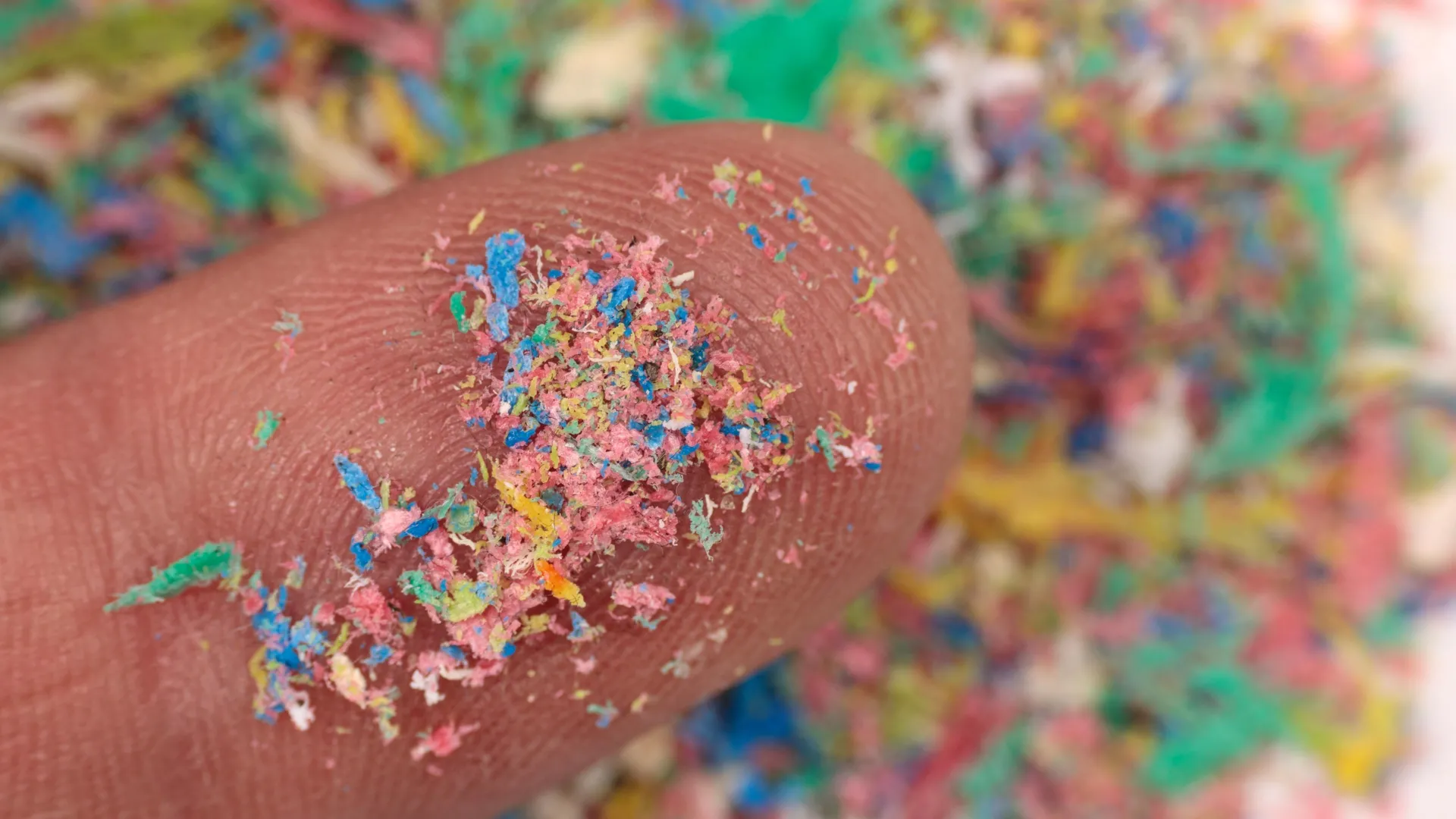
A groundbreaking scientific endeavor has fundamentally altered our understanding of oceanic plastic pollution, revealing that a colossal, previously unaccounted volume of plastic exists in the North Atlantic as microscopic nanoparticles. This pervasive, invisible form of contamination is estimated to be far more widespread than all larger plastic debris combined, presenting an environmental challenge of immense scale and complexity. The findings, stemming from collaborative research involving institutions like the Netherlands Institute for Sea Research (NIOZ) and Utrecht University, provide a crucial missing piece in the global plastic puzzle, simultaneously raising profound concerns about ecosystem integrity and potential human health impacts.
For decades, scientists have grappled with a significant discrepancy: the amount of plastic produced and entering the oceans far exceeded the quantities recovered or observed as visible debris. This "missing plastic" phenomenon has been a subject of intense speculation, with theories ranging from sinking to fragmentation. This new research offers a compelling explanation, positing that a substantial portion of this unaccounted material has degraded into particles so minuscule—measured in billionths of a meter—that they have largely eluded conventional detection methods, becoming an omnipresent, yet imperceptible, component of marine waters.
The meticulous investigation that led to this revelation involved a dedicated ocean expedition and sophisticated laboratory analysis. Master’s student Sophie ten Hietbrink from Utrecht University spent four weeks aboard the research vessel RV Pelagia, traversing a vast stretch of the North Atlantic, from the Azores archipelago eastward towards the European continental shelf. During this voyage, water samples were systematically collected at a dozen distinct locations, forming the bedrock of the study. Each sample underwent a rigorous filtration process designed to isolate the smallest possible particles, effectively removing anything larger than a single micrometer. The residual material, containing the elusive nanoplastics, was then transported to Utrecht University’s advanced laboratories for further examination.
The analytical breakthrough was achieved through a specialized methodology combining techniques traditionally employed in oceanography with insights from atmospheric science. Researchers meticulously dried and heated the filtered material from each sample. This preparation allowed for the subsequent application of mass spectrometry, a powerful analytical technique capable of identifying and quantifying specific molecules. By detecting the characteristic molecular signatures of various plastic polymers within these minute samples, the team could determine the types and concentrations of nanoplastics present. Professor Helge Niemann, a researcher at NIOZ and a professor of geochemistry at Utrecht University, highlighted the interdisciplinary nature of this achievement, crediting contributions from experts like Utrecht University scientist Dusân Materic, whose background in atmospheric science proved invaluable. Prior studies had confirmed the mere existence of nanoplastics in ocean environments, but this research marks the first time a reliable, quantitative estimate of their abundance has been successfully produced, transforming a qualitative observation into a tangible measurement.
When these localized measurements were extrapolated across the vast expanse of the North Atlantic Ocean, the sheer magnitude of the nanoplastic problem became starkly apparent. The scientists estimate that approximately 27 million tons of nanoplastics are currently suspended within this oceanic region alone. To put this figure into perspective, Professor Niemann emphasized the shocking scale, noting that this quantity of nanoparticles surpasses the estimated mass of larger micro- and macroplastics found not just in the Atlantic, but potentially across all the world’s oceans. This finding fundamentally reshapes the narrative around plastic pollution, shifting focus from visible trash to an insidious, pervasive contaminant that saturates marine environments at a molecular level.
The pathways through which these nanoplastics infiltrate the ocean are multifaceted. A primary source is the gradual fragmentation of larger plastic debris. Exposed to sunlight’s ultraviolet radiation, mechanical abrasion from waves, and biological activity, macroplastics (such as bottles, bags, and fishing gear) break down into progressively smaller pieces, moving from microplastics to nanoplastics. Rivers also serve as significant conduits, transporting plastic particles, both large and small, from terrestrial sources into coastal waters and eventually the open ocean. A less-understood but increasingly recognized pathway involves atmospheric transport. Nanoplastics, being exceedingly light, can become airborne, traveling vast distances before settling onto the ocean surface through dry deposition or being washed down with precipitation. This atmospheric pathway suggests that even remote ocean regions, seemingly untouched by direct human activity, are susceptible to nanoplastic contamination.
The widespread presence of nanoplastics at such extraordinary concentrations raises serious environmental and health concerns. Their minute size is a critical factor, enabling these particles to readily cross biological membranes and enter living organisms at fundamental levels. Professor Niemann pointed out that nanoplastics are small enough to penetrate deep into cellular structures. Research has already indicated their ability to infiltrate human tissues, with findings even documenting their presence in brain tissue. This inherent capacity for cellular uptake means that nanoplastics can easily be ingested by marine microorganisms, the base of the ocean’s food web. From there, they can bioaccumulate and biomagnify, moving up the trophic levels from plankton to small fish, larger fish, and ultimately to apex predators, including marine mammals and humans. The full spectrum of their physiological and toxicological impacts on marine ecosystems and human health remains largely unexplored, underscoring an urgent need for comprehensive scientific investigation. Potential effects could range from inflammation and oxidative stress to disruption of endocrine systems and altered cellular functions.
Despite this monumental discovery, significant gaps in knowledge persist, highlighting areas for future research. The study, for instance, did not detect certain common plastic polymers, such as polyethylene or polypropylene, within the smallest particle range analyzed. Professor Niemann suggested that these specific polymers might have been "masked by other molecules" during the analysis, indicating a challenge in distinguishing all plastic types at such minute scales. Furthermore, the current estimate is specific to the North Atlantic. Researchers are keen to determine whether similar concentrations of nanoplastics exist in other global oceans. While early indications suggest this could indeed be the case, confirming this hypothesis will necessitate extensive additional research expeditions and analytical efforts worldwide. To further this critical area of inquiry, Professor Niemann recently secured a substantial 3.5 million euro grant, specifically allocated to delve deeper into the fate and effects of nanoplastics, including their degradation pathways, interactions with biological systems, and global distribution.
While this research provides an invaluable breakthrough in comprehending the true scope of ocean plastic pollution, it simultaneously delivers a sobering reality: the pervasive nature and microscopic size of nanoplastics render their cleanup practically impossible. Professor Niemann unequivocally stated that "the nanoplastics that are there can never be cleaned up." This stark pronouncement underscores a fundamental shift in approach to addressing plastic contamination. Rather than focusing on post-pollution remediation, which is futile for these invisible particles, the imperative now lies squarely on prevention. The findings serve as an urgent call to action for governments, industries, and individuals worldwide to drastically reduce plastic production, enhance waste management systems, and transition towards sustainable alternatives. The battle against ocean plastic pollution must now confront an enemy that is not only vast and persistent but also largely unseen, making proactive measures at the source the only viable path forward.
About the Author