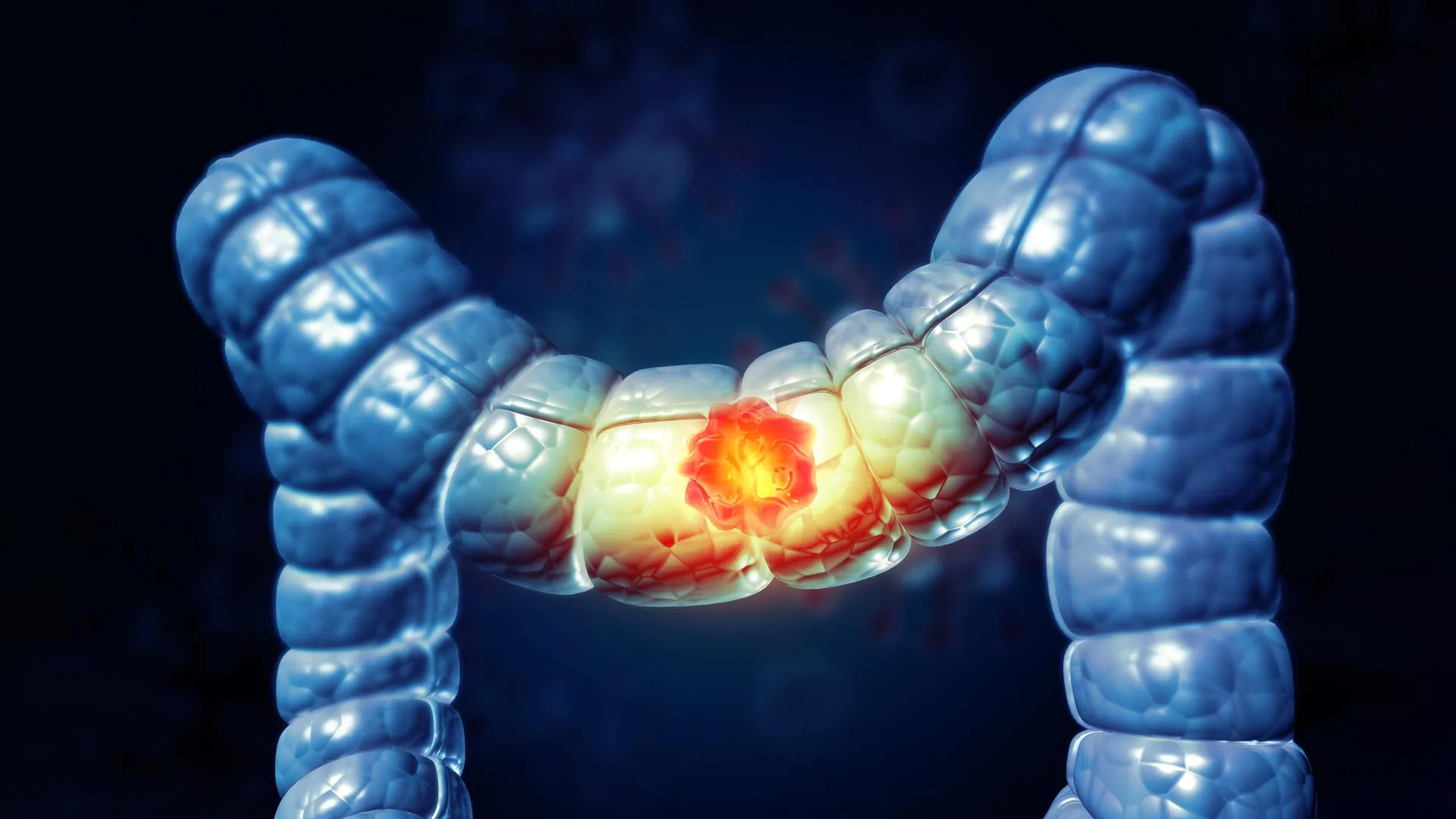
A recent national survey has illuminated a significant chasm in public understanding regarding the intricate relationship between dietary choices and the risk of colorectal cancer, a critical issue during National Colorectal Cancer Awareness Month. Conducted by the Physicians Committee for Responsible Medicine (PCRM) in collaboration with Morning Consult, the poll revealed that nearly half of American adults remain unaware that consuming processed meats significantly elevates their susceptibility to this particular malignancy. This knowledge deficit comes at a particularly concerning time, as medical professionals grapple with a noticeable and alarming increase in colorectal cancer diagnoses among younger populations.
The comprehensive survey, which gathered responses from 2,202 adults across the United States between February 9 and 11, 2026, served as a crucial barometer of public health literacy. Its findings underscore a broader challenge in health communication: effectively conveying complex scientific consensus to the general public in a manner that fosters informed decision-making. The lack of awareness surrounding processed meats and colorectal cancer stands in stark contrast to the robust body of scientific evidence compiled by international health organizations, including the World Health Organization’s International Agency for Research on Cancer (IARC), which has classified processed meat as a Group 1 carcinogen, meaning it is definitively linked to cancer.
Dr. Joseph Barrocas, an internal medicine specialist practicing in Huntersville, North Carolina, expressed profound concern over the poll’s findings, particularly in light of evolving epidemiological data. He emphasized that colorectal cancer has recently emerged as the leading cause of cancer-related fatalities among individuals under the age of 50. This demographic shift intensifies the urgency of addressing the public’s understanding of preventable risk factors. Dr. Barrocas articulated that while the prevailing lack of awareness is troubling, the survey also offered a glimmer of hope: respondents demonstrated a clear receptiveness to learning about these health risks, suggesting that targeted educational initiatives could yield substantial positive outcomes.
Indeed, the survey demonstrated a compelling correlation between knowledge acquisition and shifts in public opinion. Upon being informed about the established link between processed meat consumption and colorectal cancer risk, approximately two-thirds of participants indicated they would support the implementation of mandatory warning labels on processed meat products. This strong endorsement for regulatory measures highlights a public appetite for clearer, more direct communication about health hazards associated with certain foods, potentially influencing future food policy discussions. Such labels, akin to those found on tobacco products, could serve as a powerful tool in public health campaigns, providing critical information at the point of purchase.
A further critical insight from the poll pertained to the role of healthcare professionals in disseminating this vital information. A striking statistic revealed that only about one-third of adults recalled ever receiving guidance from their doctors or other medical providers regarding the connection between processed meats and colon cancer. This suggests a significant gap in routine patient education within clinical settings. Dr. Barrocas underscored the necessity for greater emphasis on dietary education within medical training and continuing professional development for healthcare practitioners. He advocated for a paradigm shift where, in addition to recommending standard screening procedures, clinicians actively engage patients in discussions about the protective benefits of diets rich in plant-based foods, such as fruits, vegetables, whole grains, and legumes. This proactive approach would empower patients with comprehensive strategies for cancer prevention, rather than solely focusing on early detection.
The scientific community has consistently demonstrated that lifestyle choices, particularly dietary patterns, play a pivotal role in modulating an individual’s risk for colorectal cancer. Beyond the cautionary advice concerning processed meats, extensive research highlights several actionable strategies that individuals can adopt to significantly lower their risk. These strategies often revolve around increasing the intake of specific nutrients and food groups known for their protective qualities.
One of the most emphasized dietary components in cancer prevention is fiber. Anna Herby, DHSc, RD, CDE, a nutrition education specialist with the Physicians Committee, highlighted the compelling evidence supporting fiber’s role. She pointed out that for every additional 10 grams of dietary fiber consumed daily, an individual’s colorectal cancer risk could decrease by up to 10%. This is a substantial reduction that can be achieved through relatively simple dietary adjustments. To illustrate, Herby provided tangible examples: consuming slightly more than one cup of raspberries, two tablespoons of chia seeds, or approximately two-thirds of a cup of black beans can each contribute roughly 10 grams of fiber to one’s daily intake. These examples underscore the accessibility and ease with which individuals can integrate more fiber-rich foods into their regular meals.
The mechanisms by which fiber exerts its protective effects are multifaceted. Dietary fiber, particularly soluble fiber, contributes to a healthy gut microbiome, promoting the growth of beneficial bacteria that produce short-chain fatty acids, such as butyrate, which have anti-inflammatory and anti-cancer properties. Insoluble fiber, on the other hand, adds bulk to stool, facilitating faster transit time through the colon. This reduces the duration of contact between potential carcinogens in the stool and the colon lining. Furthermore, fiber can bind to carcinogens and bile acids, aiding in their excretion and preventing their reabsorption.
In alignment with its mission to promote preventive medicine through nutrition, the Physicians Committee for Responsible Medicine actively champions plant-based dietary interventions. Throughout March, in observance of National Colorectal Cancer Awareness Month, PCRM’s "Food for Life" program is offering an extensive schedule of plant-based nutrition and cooking classes. Developed by a multidisciplinary team of physicians and registered dietitians, these classes are designed to provide practical, evidence-based guidance on how dietary choices can serve as a potent tool in cancer prevention. Available both online and at various locations across the United States, these educational sessions aim to bridge the knowledge gap identified by the recent poll, equipping participants with the culinary skills and nutritional understanding necessary to adopt healthier eating habits that can significantly reduce their colorectal cancer risk.
The findings of this poll serve as a critical clarion call for a multi-pronged approach to public health education. It emphasizes the urgent need for more robust, consistent, and accessible communication channels to inform the public about established dietary risk factors for colorectal cancer. Furthermore, it highlights the indispensable role of healthcare providers as primary educators in preventive health. By fostering a greater understanding of the scientific links between diet and cancer, and by promoting the adoption of fiber-rich, plant-focused eating patterns, society can collectively strive to reverse the troubling trends in colorectal cancer incidence and mortality, particularly among younger generations. The potential for positive change, as indicated by the public’s willingness to learn and support proactive health measures, remains a powerful motivator for continued advocacy and education in this vital area of public health.
About the Author