A significant advancement in cardiovascular research suggests a previously unrecognized connection between common oral infections and the hardening of the heart’s aortic valve. Preliminary investigations presented at a major scientific conference indicate that bacteria responsible for periodontal disease, a prevalent inflammatory condition affecting the gums, may play an instrumental role in the accumulation of calcium within the aortic valve. This process, known as calcific aortic valve stenosis (CAVS), represents a serious and potentially life-threatening cardiac ailment.
The American Heart Association’s Basic Cardiovascular Sciences Scientific Sessions 2026, a premier global forum for the exchange of fundamental and translational cardiovascular research, served as the venue for the unveiling of these compelling findings. The event, held in Boston from July 13th to 16th, brought together leading scientists and clinicians dedicated to unraveling the complexities of heart health.
Calcific aortic valve stenosis, as defined by the American Heart Association, is a progressive condition where the aortic valve, crucial for regulating blood flow from the heart to the systemic circulation, gradually thickens and calcifies. This stiffening impedes efficient blood ejection, forcing the heart to work harder. In its nascent stages, CAVS often manifests without overt symptoms, allowing the disease to advance subtly. However, as the condition deteriorates, individuals may experience debilitating symptoms including profound fatigue, chest discomfort, shortness of breath, episodes of fainting, and ultimately, heart failure, with severe cases potentially leading to premature mortality. Current therapeutic strategies for advanced CAVS predominantly involve surgical intervention to replace the damaged valve.
The groundbreaking new research proposes a plausible biological pathway that could elucidate the association between persistent gum infections and the pathogenesis of CAVS. This exploration into the molecular underpinnings of this connection could pave the way for novel therapeutic interventions.
"The absence of approved pharmacological agents capable of preventing or mitigating the progression of CAVS underscores the urgent need for innovative research," stated Chenyang Li, M.D., a doctoral candidate within the cardiology department at the State Key Laboratory of Cardiovascular Disease, Fuwai Hospital, affiliated with the National Center for Cardiovascular Diseases and the Chinese Academy of Medical Sciences and Peking Union Medical College in Beijing. "We are optimistic that our findings, which illuminate a potential link between periodontal disease and CAVS, will catalyze further scientific inquiry into the development of new preventative and treatment modalities for this debilitating condition."
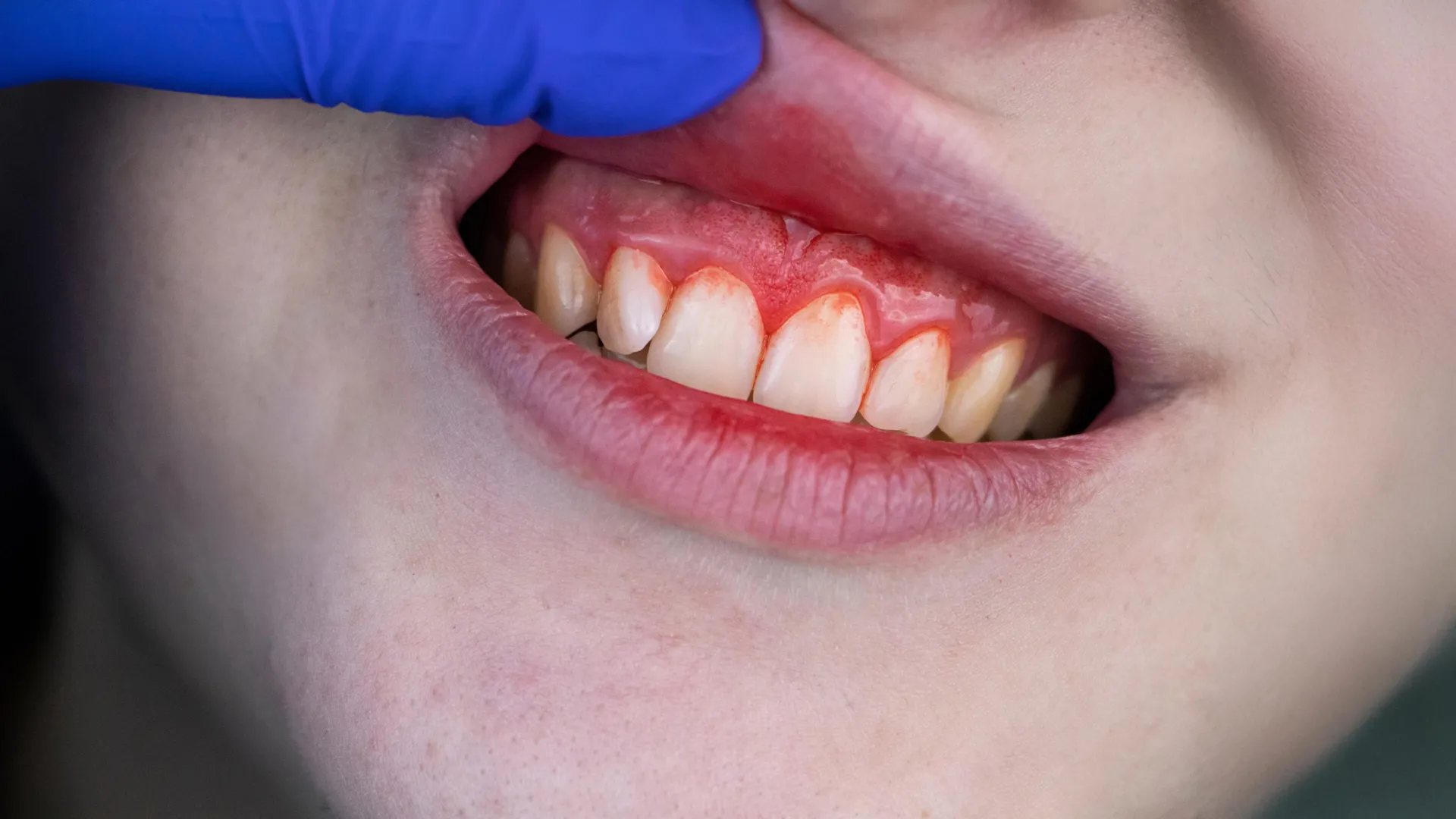
Researchers specifically focused their attention on Porphyromonas gingivalis (P. gingivalis), a well-established bacterial pathogen central to the development of periodontal disease. This microorganism is known for its capacity to induce significant gum inflammation and the subsequent degradation of supporting gum tissues. Prior scientific investigations have also implicated P. gingivalis in contributing to systemic inflammation throughout the body and elevating the risk of various cardiovascular conditions, including the formation of atherosclerotic plaques in arteries and coronary artery disease.
To empirically examine the potential link between P. gingivalis and CAVS, the research team meticulously analyzed the bacterial composition of heart valve tissue samples. These samples were obtained from individuals undergoing surgical valve replacement procedures. A comparative analysis was conducted, juxtaposing calcified aortic valve tissue from patients diagnosed with CAVS against valve tissue from individuals presenting with alternative cardiac valve pathologies.
"The prevalence of P. gingivalis within the calcified aortic valve specimens was a remarkable discovery," Dr. Li remarked. "While it was not among the most abundant bacterial species overall, its presence exhibited one of the most pronounced disparities when comparing valves affected by CAVS to those without the condition. This unexpected observation prompted us to delve deeper into its potential causative role in the development of CAVS."
Building upon these observations, the researchers embarked on a series of controlled experiments utilizing a murine model to elucidate the precise mechanisms by which the bacterium might contribute to valvular disease. Mice were deliberately exposed to either live or heat-inactivated strains of P. gingivalis. The objective was to ascertain whether the bacteria could colonize the aortic valve, exacerbate calcium deposition, and ultimately induce a phenotypic presentation consistent with aortic stenosis. As part of the experimental design, a subset of the animal cohort received prophylactic antibiotic treatment, while another group underwent genetic modification to render the IL-1β inflammatory pathway inactive.
The findings from these animal studies revealed a compelling correlation: repeated exposure to viable P. gingivalis led to the colonization of the aortic valves in mice, resulting in increased valvular calcification and the manifestation of symptoms indicative of aortic stenosis. Crucially, the administration of preventive antibiotics significantly attenuated these detrimental effects. Furthermore, the research demonstrated that P. gingivalis effectively activated interleukin-1 beta (IL-1β), a pro-inflammatory protein primarily synthesized by immune cells.
Subsequent experiments further reinforced the significance of IL-1β in this pathological cascade. Genetically ablating IL-1β expression in the mice substantially diminished valvular calcification and disease severity, even in the presence of P. gingivalis infection. This suggests that IL-1β plays a pivotal role in mediating the inflammatory response triggered by the oral bacterium that ultimately leads to valve damage.
The overarching message derived from this research carries profound implications for public health. "The fundamental takeaway is straightforward: prioritize and diligently maintain your oral hygiene," emphasized Dr. Li. "Consistent oral care and effective management of periodontal disease are not merely beneficial for oral health but are intrinsically linked to overall well-being, potentially extending significant advantages to cardiovascular health as well. While it remains premature to advocate for specific therapeutic interventions aimed at preventing CAVS, our findings strongly suggest that the health of the periodontium is a critical, yet often overlooked, component in the complex etiology of this condition."
Dr. Eduardo Sanchez, M.D., M.P.H., FAHA, Chief Medical Officer for Prevention at the American Heart Association, commented on the significance of these findings, noting that they contribute to an expanding body of evidence highlighting the intricate and undeniable relationship between oral health and cardiac health.
"This study powerfully reinforces the growing consensus that oral health and heart health are inextricably intertwined," stated Dr. Sanchez. "For a considerable segment of the population, routine dental visits represent their primary engagement with the healthcare system. This positions dental professionals as invaluable partners in the early detection of various health conditions, including periodontal disease. Prompt identification can facilitate expedited healthcare referrals, leading to more timely interventions, improved health outcomes, and ultimately, the preservation of lives."
The American Heart Association’s "Healthy Smiles, Healthy Hearts" initiative is designed to equip dental professionals with comprehensive educational resources that underscore the critical connection between oral and cardiovascular well-being. This program also provides guidance for dental practices on implementing blood pressure screening protocols and offers patient education materials aimed at simultaneously enhancing both oral and cardiovascular health.
It is imperative to acknowledge that the presented findings are preliminary and await definitive confirmation through extensive human studies. The research was disseminated as a scientific meeting abstract, signifying that it has not yet undergone the rigorous process of peer review or formal publication in a peer-reviewed academic journal.
To further investigate and validate the potential association between periodontal disease and CAVS in human populations, the research team has already initiated a prospective clinical study. This human trial is expected to provide crucial insights into the clinical relevance and broader implications of these laboratory-based discoveries.
About the Author