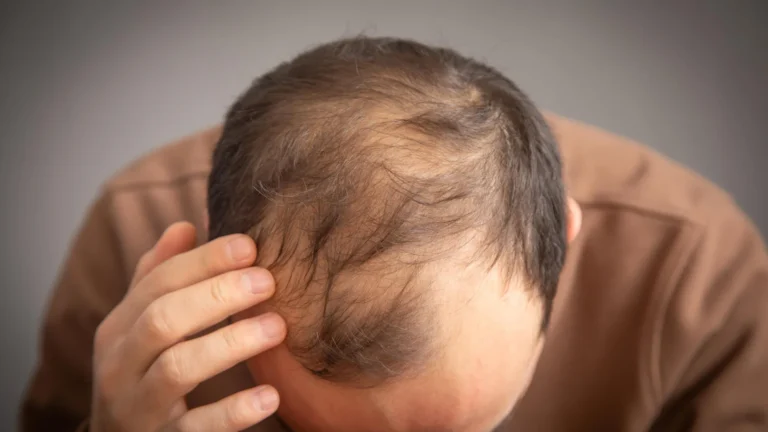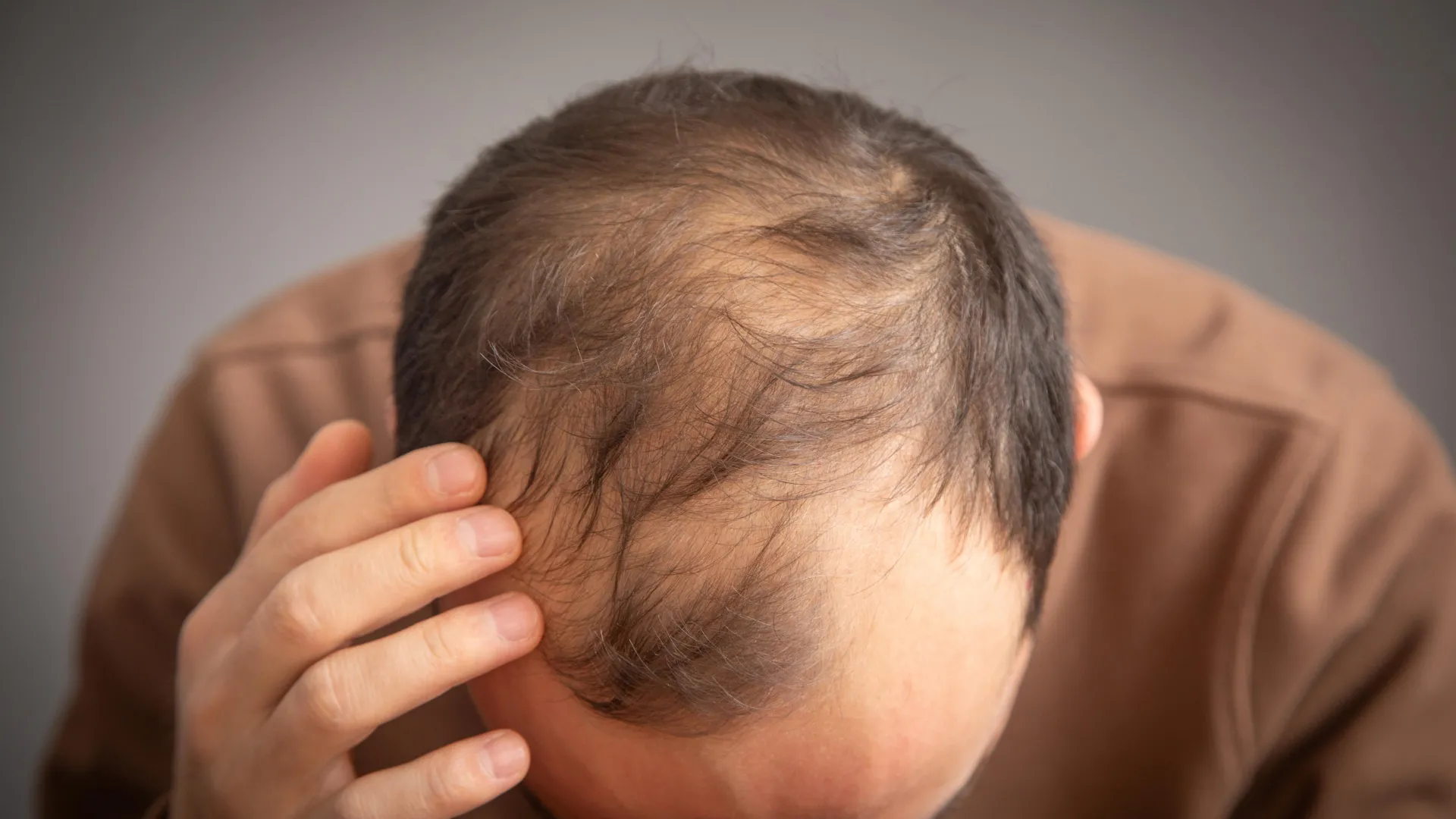
A groundbreaking study has revealed a significant genetic connection between the use of popular glucagon-like peptide-1 (GLP-1) receptor agonist medications, such as Ozempic, Wegovy, and Zepbound, and an elevated susceptibility to androgenetic alopecia, commonly known as male-pattern baldness. This research provides a novel perspective on an observed side effect, suggesting that individuals with a pre-existing genetic predisposition to hair loss may experience an approximate 7 percentage point increase in their risk of experiencing hair thinning when undergoing treatment with these powerful drugs for type 2 diabetes and obesity. The findings, published in the Journal of Investigative Dermatology, mark a pivotal step in understanding the complex interplay between medication, genetics, and dermatological health.
The proliferation of GLP-1 receptor agonists in recent years has been nothing short of transformative for millions managing chronic conditions like type 2 diabetes and obesity. Initially developed for glycemic control, these medications, which mimic the action of a natural gut hormone, have demonstrated remarkable efficacy in promoting significant weight loss by slowing gastric emptying, increasing satiety, and reducing appetite. Their widespread adoption has led to a surge in prescriptions, with surveys indicating that a substantial portion of the American population has utilized these drugs, particularly for weight management. For instance, since the FDA approved Ozempic in 2020, prescriptions have more than tripled, highlighting their growing impact on public health. While celebrated for their therapeutic benefits, reports of adverse effects, including hair loss, have gradually emerged from patient communities.
Historically, medical professionals and researchers largely attributed the hair shedding reported by both men and women on GLP-1 medications to the phenomenon of rapid weight loss itself. Significant and swift reductions in body mass can often trigger a temporary condition known as telogen effluvium, where a large number of hair follicles prematurely enter the resting (telogen) phase, leading to increased shedding. In many such cases, patients observed hair regrowth once their body weight stabilized, lending credence to this hypothesis. However, a lingering suspicion among scientists was that underlying genetic factors might also play a direct, biological role, independent of the metabolic stress of weight reduction. The new research from NYU Langone Health provides compelling evidence to support this more nuanced understanding.
At the core of this investigation lies the GLP1R gene, which dictates the production levels of glucagon-like peptide-1 (GLP-1) receptor proteins within the body. These receptors are crucial for the drugs’ mechanism of action, as GLP-1 agonists bind to them to exert their therapeutic effects. The research team meticulously analyzed genetic patterns to ascertain how activity associated with the GLP1R gene correlated with the presence of androgenetic alopecia. Their methodology involved comparing genetic profiles linked to heightened GLP1R activity with those found in men diagnosed with inherited hair loss, which typically manifests as a receding hairline and thinning crown. Given the extensive prior research into male hair loss compared to female hair loss, the study’s initial focus was specifically on establishing this potential causal link in men.
The team’s analysis revealed a striking pattern: genetic variations associated with naturally higher levels of GLP-1 receptor proteins were observed to be more prevalent in men experiencing androgenetic alopecia. This discovery suggested an inherent, biological predisposition that might be exacerbated by exogenous GLP-1 agonists. To ensure the robustness of their findings, the researchers carefully adjusted their statistical models to account for other known risk factors for hair loss. Hypertension, or high blood pressure, for example, is understood to impair blood flow to the scalp, potentially compromising the vitality and growth capacity of hair follicles. Even after controlling for the influence of elevated blood pressure, the statistically significant increase in hair loss risk, quantified at 7 percentage points, persisted.
Further strengthening the argument for a direct genetic link, the study also investigated whether other physiological conditions commonly associated with GLP-1 drug users or hair loss could explain the observed association. Factors such as insulin resistance, a precursor to type 2 diabetes, and reduced testosterone levels were meticulously examined. Neither of these confounding variables was found to account for the connection between GLP-1 activity and hair loss. The additional 7 percentage point risk remained consistent, reinforcing the conclusion that the genetic activity related to GLP-1 pathways and hair loss share a fundamental, underlying biological commonality.
Dr. Lynn Petukhova, the study’s senior investigator and an assistant professor in the Ronald O. Perelman Department of Dermatology and the Department of Population Health at NYU Grossman School of Medicine, emphasized the significance of these findings. "Our study establishes the first genetic correlation between GLP-1 receptor activation and an elevated probability of developing male-pattern hair loss due to androgenetic alopecia," Dr. Petukhova stated. "This association has long been hypothesized in the medical community but lacked definitive scientific proof until now." Her remarks underscore the breakthrough nature of the research in providing concrete evidence for a suspected mechanism.
The implications of this genetic discovery are far-reaching, potentially paving the way for more personalized and proactive patient care. In the future, these insights could empower clinicians to identify individuals who might be particularly vulnerable to hair loss before they embark on GLP-1 medication regimens. "Our results suggest that, pending successful future experimental validation, men—and potentially women as well—could undergo screening to assess their risk of hair loss prior to being prescribed GLP-1 medications," Dr. Petukhova elaborated. She also envisioned a scenario where GLP-1 users identified as high-risk might be prescribed combination treatments, such as minoxidil or other hair growth stimulants, concurrently with their GLP-1 therapy to mitigate the risk of hair thinning.
The precise biological mechanisms through which GLP-1 activity might disrupt hair follicle growth remain an area for further scientific exploration. Dr. Petukhova highlighted the need for additional research to unravel these intricate pathways. Moreover, she plans to extend her investigation to determine whether the same genetic association observed in men also holds true for women, acknowledging the need for more comprehensive data across different demographics.
The robust nature of this study was facilitated by leveraging extensive publicly available genetic databases. These included the eQTLGen database, which compiles genetic information from 31,684 individuals, predominantly White men and women, and the Complex Traits Genetics group database, comprising data from 205,327 mostly White men. These large datasets provided a powerful foundation for identifying subtle yet significant genetic correlations.
Androgenetic alopecia is a remarkably widespread condition, affecting an estimated half of all White American males over the age of 50. A nearly equivalent proportion of White American females in the same age bracket, particularly those who are postmenopausal, also experience this form of hair loss, albeit often with a different pattern of thinning. The increasing prevalence of both GLP-1 medication use and androgenetic alopecia underscores the clinical relevance of this newly identified genetic link.
Funding support for this pivotal research was provided by grants R01AR080796 and K01AR075111 from the National Institutes of Health. The study involved a collaborative team of researchers from NYU Langone, including co-investigators Dr. Jerry Shapiro and Dr. Kristen Lo Sicco, alongside Derek Mass, MBA; Mary Casagrande, MPH; and Dr. Poppy Gould, with Archie Spindler serving as co-lead investigator. Additional contributions came from co-lead investigator Dr. Ravi Ramesur of the University of Pennsylvania and King’s College London, and co-investigator Dr. Atlas Khan of Columbia University.
It is noteworthy that Drs. Shapiro and Lo Sicco have previously served as investigators for studies on hair loss treatments and devices developed by Pfizer and Regen Labs. Dr. Lo Sicco also acts as a paid consultant for several pharmaceutical companies, including Pfizer, Lilly, Ro, Priovant, Veradermics, and Aquis. NYU Langone Health maintains strict policies to manage and transparently address any potential conflicts of interest arising from these relationships. This disclosure ensures the integrity and objectivity of the reported research findings.
About the Author