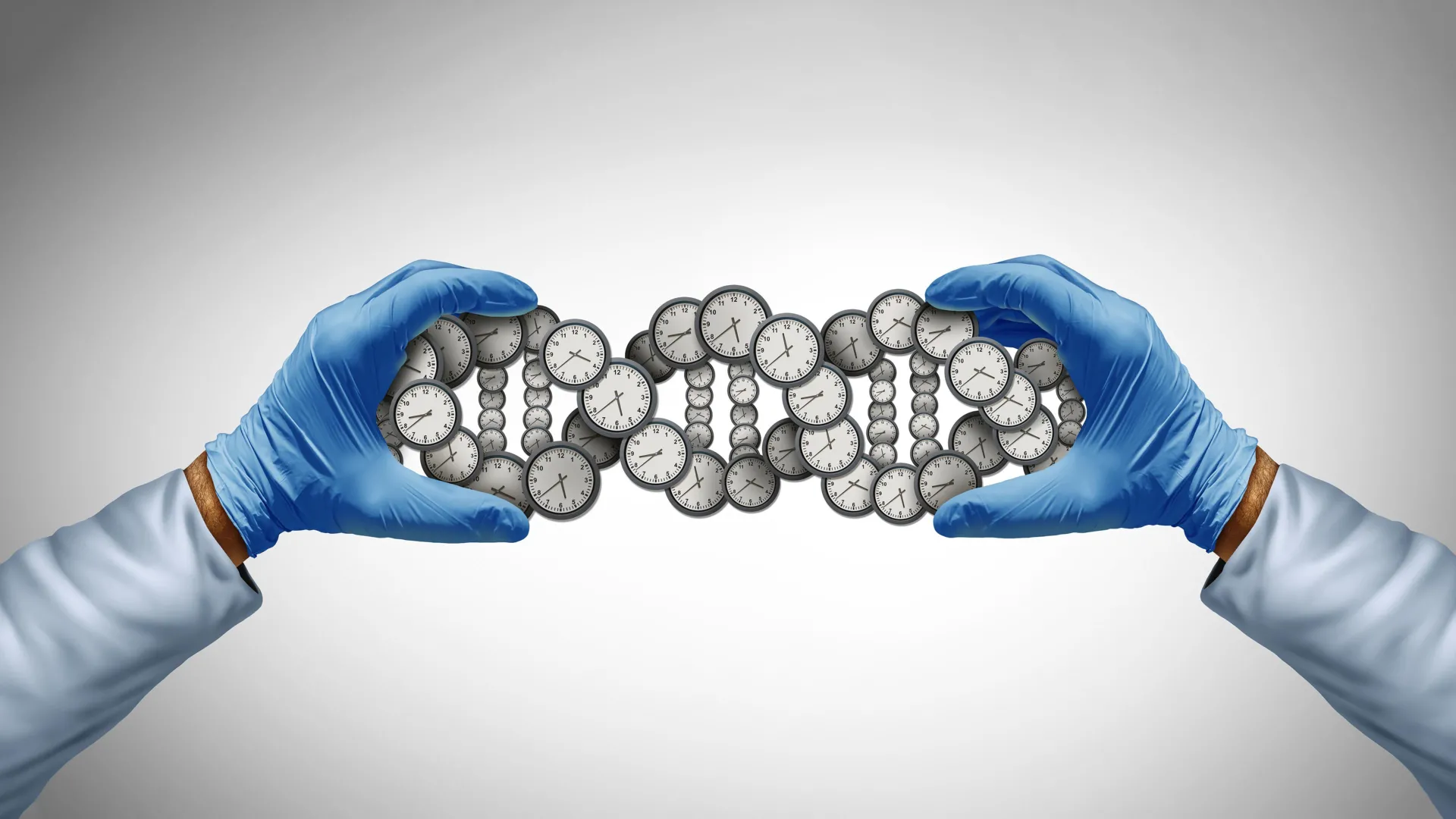
For decades, the scientific community largely attributed the variations in how long individuals live to external circumstances and lifestyle choices, with inherited predispositions considered a secondary factor. Early estimations suggested that genetic makeup accounted for a mere 20% to 25% of differences in human lifespan, and some extensive investigations even placed this figure below 10%. This prevailing perspective fostered a climate of skepticism regarding the potential for genetics to significantly dictate the length of a human life, leading research efforts to primarily focus on environmental interventions and health-related behaviors as the principal levers for extending longevity. However, a groundbreaking investigation conducted at the Weizmann Institute of Science, the findings of which have been published in the esteemed journal Science, is poised to fundamentally alter this long-held understanding, proposing that genetic inheritance may actually be responsible for approximately half of the variability observed in human lifespans—a revelation that at least doubles previous scientific consensus.
This paradigm-shifting research, spearheaded by Ben Shenhar from the laboratory of Professor Uri Alon within Weizmann’s Department of Molecular Cell Biology, challenges the decades-old narrative that relegated genetics to a minor role in determining how long we live. The study’s innovative approach aimed to disentangle the complex interplay between our inherent biological code and the myriad external forces that shape our existence. Previous attempts to quantify the genetic contribution to lifespan were hampered by inherent methodological limitations, particularly in distinguishing between deaths directly attributable to biological aging and those resulting from external, or "extrinsic," factors. These extrinsic causes encompass a broad spectrum of events, including accidental fatalities, the impact of infectious diseases, and the cumulative effects of environmental exposures, all of which can prematurely truncate a life irrespective of an individual’s genetic predispositions.
The Weizmann Institute team meticulously analyzed three comprehensive twin registries sourced from Sweden and Denmark, datasets renowned for their depth and breadth of information on individuals’ lives and causes of death. A crucial innovation in their methodology was the inclusion of data pertaining to identical and fraternal twins who were raised separately. This specific inclusion was pivotal, as it provided a unique opportunity to more precisely differentiate the influence of shared genetic material from the impact of divergent environmental upbringing. By comparing the lifespans of twins with identical genes but different environments, researchers could gain clearer insights into the degree to which their genetic inheritance dictated their longevity.
To circumvent the analytical challenges that had previously obscured the true genetic influence, the researchers developed a novel analytical framework. This sophisticated approach integrated advanced mathematical modeling with detailed simulations of "virtual twins"—hypothetical individuals designed to mimic the genetic profiles of real participants. This computational strategy allowed them to meticulously model and separate mortality events that stemmed from the biological aging process from those attributable to external influences. By effectively filtering out the noise of extrinsic mortality, the study was able to reveal a significantly more robust genetic signal than had been previously identified. These compelling findings resonate strongly with observations in other complex human traits and are consistent with the well-established genetic influences on lifespan observed in numerous animal studies, suggesting a universal biological principle at play.
The implications of this discovery for the future of aging research and medical science are profound and far-reaching. If genetics indeed plays a substantially larger role in determining lifespan than previously assumed, it invigorates the pursuit of identifying specific genes and genetic pathways that are instrumental in regulating longevity. This shift in understanding provides a powerful impetus for targeted research aimed at uncovering the molecular mechanisms that govern aging and could pave the way for novel therapeutic strategies. As Shenhar articulated, the prevailing view for many years fostered considerable doubt about the feasibility of pinpointing genetic factors that contribute to a longer life. However, the demonstration of a high heritability in lifespan, as evidenced by this study, now creates a compelling incentive to actively search for gene variants that confer increased longevity. Such discoveries would not only deepen our understanding of the fundamental biology of aging but also open up new avenues for intervention, potentially leading to treatments that could slow down the aging process or mitigate its associated diseases.
Furthermore, the study’s findings suggest that the genetic influence on specific age-related diseases may vary significantly. For instance, the research indicated that up to the age of 80, the heritability of dementia risk is approximately 70%, a figure considerably higher than that observed for conditions such as cancer or heart disease. This differential genetic susceptibility highlights the intricate and varied ways in which our genes impact our health trajectories and overall lifespan, underscoring the need for personalized approaches to disease prevention and management based on individual genetic profiles.
The research underpinning these significant revelations was generously supported by several esteemed institutions dedicated to advancing scientific knowledge and improving human health. Professor Uri Alon’s laboratory, instrumental in this groundbreaking work, received crucial funding from the Sagol Institute for Longevity Research, the Knell Family Institute for Artificial Intelligence, the Moross Integrated Cancer Center, the David and Fela Shapell Family Center for Genetic Disorders Research, the Zuckerman STEM Leadership Program, and the Rising Tide Foundation. Professor Alon holds the prestigious Abisch-Frenkel Professorial Chair, a testament to his distinguished contributions to the field. This collaborative ecosystem of support underscores the importance of sustained investment in fundamental scientific inquiry to push the boundaries of our understanding and address some of humanity’s most enduring questions about life and aging.
About the Author