
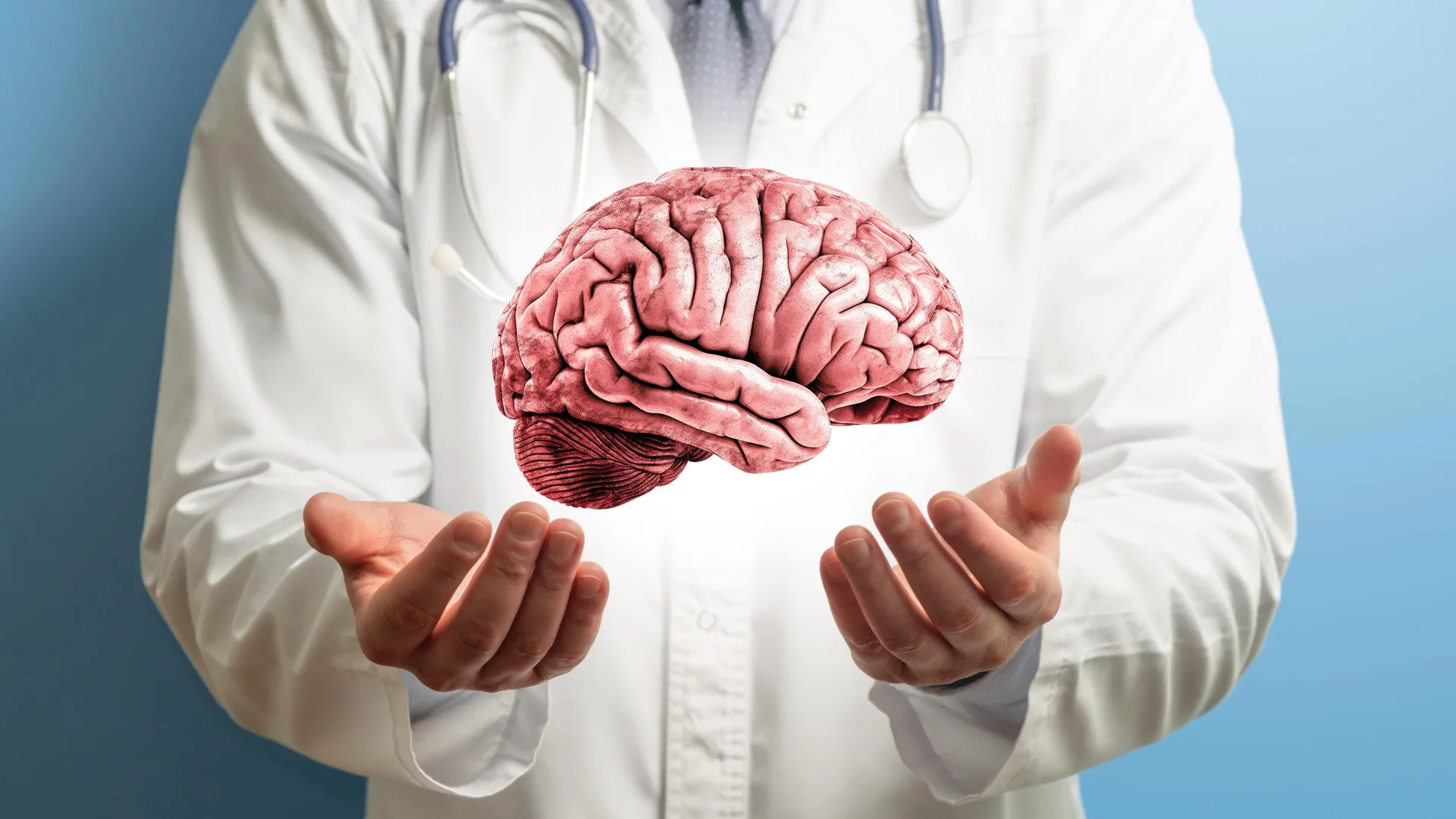
A significant chasm exists between the public’s profound recognition of the necessity for autism research and their understanding of the fundamental methods employed to achieve critical breakthroughs. Recent survey data released by Autism BrainNet underscores this disparity, revealing that while a vast majority of Americans acknowledge the paramount importance of scrutinizing the autistic brain, a considerably smaller segment comprehends the pivotal role that brain donation following an individual’s passing plays in propelling scientific discovery forward. This disconnect suggests a widespread appreciation for the pursuit of knowledge in autism research, yet a limited awareness of the very mechanisms that enable this progress.
The survey results paint a stark picture when comparing public familiarity with organ donation versus brain donation. Over 80 percent of respondents indicated awareness of organ donation, with more than half actively registered as organ donors, signifying a well-established understanding and participation in this practice. In sharp contrast, a mere 15 percent were aware that registering as an organ donor does not automatically include consent for brain donation; this specialized form of donation necessitates a distinct and separate commitment. This pronounced difference in public consciousness highlights a critical knowledge gap concerning a vital resource for neurodevelopmental research.
"For scientific endeavors focused on autism and other neurodevelopmental conditions, post-mortem brain tissue represents an indispensable research asset that cannot be adequately replicated by even the most advanced artificial intelligence, sophisticated imaging technologies, or extensive animal models," explained Dr. David G. Amaral, Ph.D., the distinguished Scientific Director of Autism BrainNet and a UC Davis Professor. "At Autism BrainNet, our core mission is to facilitate the highest caliber of autism research, disseminate accurate and accessible information regarding brain donation to individuals and their families, and foster a greater sense of comfort and preparedness in making donation plans well in advance of periods of grief."
The investigation, which surveyed 1,007 individuals between February 26 and March 2, 2026, unveiled widespread confusion surrounding the practicalities of the brain donation process. Fewer than half of the participants correctly understood that brain donation must be facilitated within mere hours after death, rather than over days or weeks, a critical timeframe for tissue preservation. A small but notable portion of respondents even harbored the misconception that brain donation could be performed while an individual is still alive, demonstrating a fundamental misunderstanding of the procedure’s nature.
Furthermore, significant misconceptions persist regarding eligibility criteria for brain donation. Nearly one-third of those surveyed incorrectly believed that pre-existing conditions, such as autism or epilepsy, would disqualify an individual from donating their brain. This belief is contrary to scientific reality; in fact, individuals with these very conditions are exceptionally valuable to researchers. Their contributions provide essential insights for understanding the intricate biological underpinnings of neurodevelopmental disorders, and scientists require a diverse array of brain samples to build a comprehensive picture.
Kathy Stein, who generously donated her younger brother Ed’s brain to Autism BrainNet, shared a poignant perspective on the significance of this act. "My younger, autistic brother Ed lived a rich and joyful life, surrounded by an adoring circle of friends and family who cherished his many passions and his expansive, loving spirit," she recounted. "When he passed, I chose to donate his brain as a profoundly positive way to honor the wonderful person he was and to ensure his legacy would continue to make a difference. Imagine the immense knowledge we can gain about the biological origins of autism and related neurodegenerative disorders through his invaluable contribution."
In an effort to bridge this knowledge gap and bolster public awareness, Autism BrainNet is proactively engaging in educational outreach initiatives. A prominent upcoming event will be a live "Ask Me Anything" session hosted on the popular online platform Reddit, scheduled to coincide with Autism Acceptance Month. This interactive session, taking place on April 29 from 12:00 PM to 2:00 PM Eastern Time, will feature Dr. David Amaral alongside Dr. Alycia Halladay, the Chief Science Officer of the Autism Science Foundation. They will address a wide range of inquiries concerning brain donation, including the step-by-step process of becoming a registered donor and the logistical considerations involved.
Dr. Amaral further emphasized the specific purpose of brain donation: "It is crucial to understand that brain donation is exclusively for research purposes and is entirely separate from organ transplantation. While brain donation is not integrated into standard organ donor registries, individuals who choose to donate their brain can concurrently be organ and tissue donors. Moreover, most medical conditions do not pose a barrier to brain donation. In reality, the scientific community has the greatest need for post-mortem brain samples from individuals who are autistic and those with related neurodevelopmental conditions to accelerate research progress. Consequently, we strongly encourage autistic adults, their families, and their caregivers to explore Autism BrainNet and learn more about this vital contribution."
Autism BrainNet maintains an inclusive donation policy, accepting contributions from individuals with a confirmed diagnosis of autism, irrespective of any co-occurring conditions. Donations are also welcomed from individuals with a genetic diagnosis associated with autism, even if they do not have an autism diagnosis themselves, as well as from non-autistic individuals. To maximize the scientific utility of the brain tissue, donations are ideally completed within 48 hours of a person’s passing; however, arrangements can still be made for donations occurring at later times, depending on specific circumstances.
A significant aspect of Autism BrainNet’s commitment is ensuring that families incur no financial burden associated with brain donation. The organization meticulously manages all logistical arrangements, from initial contact to transportation and coordination with medical facilities. Crucially, the process of brain donation does not impede or interfere with a family’s funeral or memorial plans, allowing them to grieve and celebrate their loved one’s life while simultaneously making a profound contribution to research that holds the promise of future breakthroughs and a deeper understanding of neurodevelopmental conditions.
About the Author












