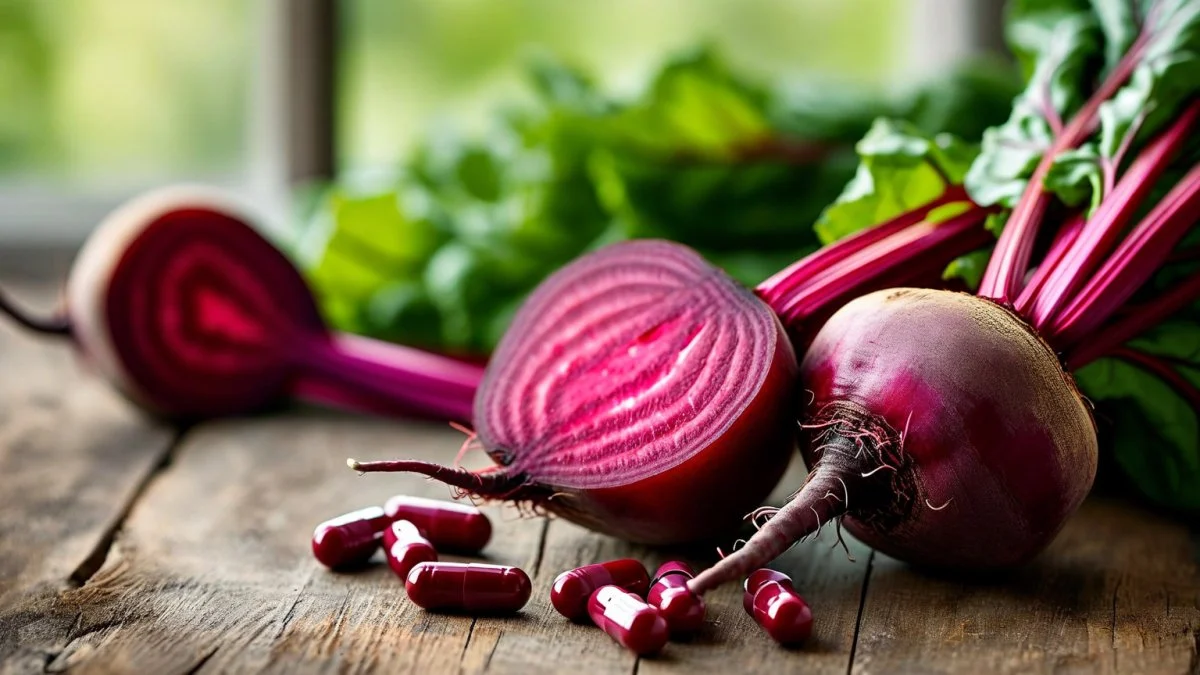
Athletes and fitness enthusiasts frequently overlook a powerful, natural performance enhancer readily available in the produce section, instead investing heavily in synthetic supplements. This crimson root vegetable, the beetroot, offers a potent array of benefits that rival, and often surpass, the efficacy of many costly, commercially produced ergogenic aids, a fact supported by a growing body of scientific research. The physiological mechanisms by which beetroot influences athletic output are well-documented, centering on its rich concentration of dietary nitrates, which the body expertly converts into nitric oxide. This endogenous compound plays a crucial role in vasodilation, the widening of blood vessels, thereby facilitating more efficient oxygen and nutrient delivery to working muscles. This enhanced circulation translates to tangible improvements in endurance and power, without the adverse side effects often associated with stimulant-based pre-workout formulas.
Unlike many artificial performance boosters that rely on central nervous system stimulation to create a temporary surge in energy, beetroot’s action is fundamentally different. Its primary benefit lies in reducing the metabolic cost of exercise, meaning an individual can sustain a higher intensity of effort while expending less physiological energy. Studies indicate this can lead to a 2-3% improvement in endurance performance, a margin that often separates personal bests from average training sessions. Furthermore, beetroot provides a comprehensive nutritional profile, boasting essential micronutrients such as folate and manganese, alongside betalains, potent antioxidants that contribute to accelerated recovery post-exercise. This holistic nutritional support distinguishes beetroot from single-purpose synthetic supplements, offering a broader spectrum of health and performance advantages.
The intricate pathway through which beetroot exerts its influence begins with the ingestion of dietary nitrates, abundant in the vegetable. Upon consumption, these nitrates undergo a two-step conversion process within the body. First, oral bacteria in the mouth reduce nitrates to nitrites, which are then absorbed into the bloodstream. Subsequently, under conditions of low oxygen tension, such as during physical exertion, these nitrites are further converted to nitric oxide (NO). Nitric oxide acts as a signaling molecule, influencing numerous physiological processes, most notably smooth muscle relaxation in blood vessel walls. This vasodilation increases blood flow, improving the delivery of oxygen and essential substrates to muscles and enhancing the removal of metabolic byproducts like lactate. The efficiency of this system is paramount for sustained aerobic activity and recovery.
The timing of beetroot consumption is a critical factor in maximizing its ergogenic effects, with peak nitric oxide levels typically observed within two to three hours post-ingestion. This temporal window necessitates strategic planning for optimal performance. For instance, consuming beetroot juice or a beetroot-rich meal in the morning before an evening competition or training session would likely yield minimal benefits due to the elapsed time. Instead, a more effective approach involves consuming beetroot approximately two to three hours prior to the intended period of exertion. However, the cumulative effect of consistent nitrate intake over several days is also significant. Regularly incorporating beetroot into the diet can establish a baseline elevation of nitrates in the body, thereby amplifying the acute response to a pre-exercise dose. This means that consistent, daily consumption, even in smaller amounts, can contribute to sustained performance enhancements.
The form in which beetroot is consumed can influence its nitrate content and overall impact. Fresh beetroot offers the complete spectrum of nutrients, including dietary fiber, but typically contains lower concentrations of nitrates compared to processed forms. Beetroot juice, while a highly concentrated source of nitrates, can sometimes cause gastrointestinal discomfort in sensitive individuals. Beetroot powder provides a convenient and concentrated delivery of nitrates, but may lack some of the micronutrients found in the whole vegetable due to processing. When selecting commercial beetroot products, it is advisable to look for those standardized to contain at least 250 milligrams of nitrates per serving. Many products on the market may be diluted with fillers, diminishing their efficacy and offering more marketing appeal than tangible performance benefits.
While beetroot stands out for its nitrate content, other dietary sources can also support nitric oxide production and offer similar performance-enhancing benefits. Dark leafy greens such as arugula and spinach are particularly rich in nitrates and can be easily incorporated into smoothies and salads. Although their nitrate concentration may not match that of beetroot, their versatility and ease of regular consumption make them valuable alternatives. Pomegranate juice, while operating through different biochemical pathways, also contributes to nitric oxide support and is often preferred for its palatable taste. The polyphenols present in pomegranate are known to protect and enhance the activity of nitric oxide. Watermelon, a good source of the amino acid citrulline, is another notable alternative. Citrulline is converted in the body to arginine, which is then used to synthesize nitric oxide. The synergistic effect of combining watermelon with beetroot has been observed to be greater than the sum of their individual contributions.
Practical considerations surrounding beetroot consumption are also important for athletes to be aware of. One common, albeit harmless, side effect is the temporary discoloration of urine and stools to a pink or red hue, a phenomenon known as beeturia, which can be startling if unexpected. Individuals with a history of kidney stones or a predisposition to their formation should exercise moderation in their beetroot intake due to its oxalate content, though research suggests this is a concern for a relatively small proportion of the population. Optimal nitric oxide production is also influenced by broader physiological factors. Maintaining good oral hygiene is crucial, as oral bacteria play a role in the initial conversion of nitrates to nitrites; however, it is advisable to avoid antibacterial mouthwashes immediately prior to exercise as they can disrupt this beneficial microbial activity. Adequate intake of vitamin C is also important, as it can enhance the conversion of nitrites to nitric oxide. Furthermore, minimizing the consumption of highly processed foods, which can interfere with nitrate metabolism, supports the body’s ability to utilize beetroot’s benefits effectively.
The distinct earthy flavor of beetroot can be a barrier for some individuals, but several culinary strategies can mitigate this. Blending beetroot with fruits such as berries and citrus can effectively mask its potent taste. Exploring golden beetroot varieties, which possess a milder flavor profile, is another option. For those sensitive to the taste, starting with small quantities incorporated into familiar foods like smoothies, juices, or cooked dishes is recommended.
A particularly effective way to combine the benefits of beetroot with readily available energy sources is through a carefully constructed meal. For example, a performance-oriented potato salad can leverage the complementary properties of potatoes and beetroot. Potatoes provide easily digestible carbohydrates, crucial for sustained energy during prolonged exercise, while beetroot delivers its nitric oxide-boosting nitrates. Incorporating nutrient-dense ingredients like arugula and healthy fats further enhances the meal’s nutritional profile, promoting nutrient absorption and providing a balanced energy release. Such a meal, consumed strategically before competition or intense training, can offer a comprehensive fueling solution without relying on artificial supplements. The ideal timing for consuming such a meal would be three to four hours prior to the event, allowing for complete digestion and maximal nitrate conversion.
Beyond the physiological benefits, mental focus and cognitive function are also critical components of athletic performance. Beetroot’s ability to improve blood flow extends to the brain, potentially enhancing concentration, decision-making speed, and reaction times. This aspect is particularly valuable in sports that demand quick thinking and sustained mental acuity. However, realizing these cognitive benefits requires a holistic approach that also addresses psychological factors. Overreliance on beetroot as a sole solution for cognitive enhancement is misguided; it must be integrated within a framework that includes adequate sleep, stress management, and an optimized training environment free from unnecessary distractions.
When implementing a beetroot-based performance strategy, it is essential to acknowledge individual variability in response. Not all individuals experience the same magnitude of benefit; some are considered "responders" who notice significant improvements, while others may observe more subtle changes. This does not invalidate beetroot’s efficacy but underscores the importance of personalized tracking and adjustment. A structured approach, beginning with a baseline intake of nitrates (e.g., 100-150 mg daily) for the first one to two weeks, allows for tolerance assessment and monitoring of any physiological responses, including digestive effects or perceived performance changes. Subsequent weeks can involve increasing the dosage to the optimal range (250-400 mg nitrates) and fine-tuning the timing based on individual experience. Periodization of beetroot intake, with higher doses during intense training phases and maintenance doses during recovery periods, can further optimize its application.
Ultimately, beetroot represents a powerful, scientifically validated tool for enhancing athletic performance, offering a natural and holistic alternative to synthetic supplements. Its benefits extend beyond immediate physiological gains, contributing to long-term cardiovascular health. By strategically incorporating beetroot into one’s diet, timing consumption appropriately, and monitoring personal responses, athletes can unlock significant improvements in endurance, power, and recovery, all while benefiting from the comprehensive nutritional support this humble root vegetable provides.
About the Author