
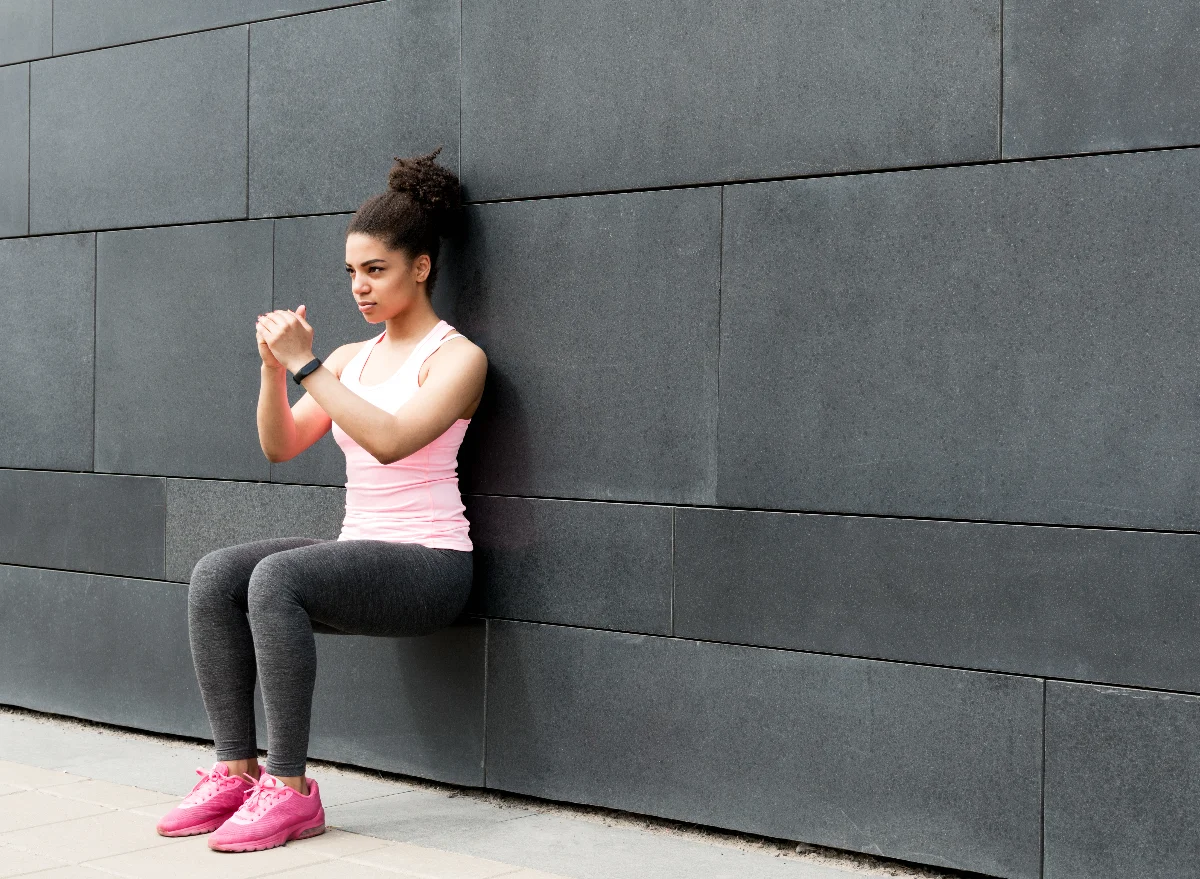
As individuals gracefully advance into their seventh decade and beyond, the preservation of robust physical capabilities, particularly lower body strength, emerges as a critical determinant of sustained independence and overall quality of life. The natural physiological processes associated with aging, such as sarcopenia – the progressive loss of muscle mass and strength – can significantly impact an elder person’s ability to perform routine daily activities, elevate the risk of falls, and diminish overall vitality. In this context, simple yet profound assessment tools become invaluable for gauging functional fitness. Among these, the wall sit, an isometric exercise, stands out as an accessible and highly effective benchmark for evaluating and developing leg strength, offering a clear window into an individual’s resilience and potential for healthy aging. This comprehensive examination will delve into the profound importance of lower body strength for seniors, elucidate the mechanics and benefits of the wall sit, provide guidance on its proper execution and interpretation, and offer strategies for its safe modification and progressive integration into a holistic fitness regimen.
Maintaining sufficient leg strength is not merely about exhibiting physical prowess; it underpins nearly every fundamental movement essential for independent living. From the simple act of rising from a seated position, navigating stairs, or carrying groceries, to maintaining balance and preventing debilitating falls, strong leg muscles are indispensable. For those over 70, the focus shifts from maximal strength to "functional strength" – the ability to effectively perform movements required for daily life. Research consistently highlights that adequate leg power correlates directly with reduced frailty, enhanced walking speed, improved balance control, and a lower incidence of hip fractures, all of which are pivotal factors in preserving autonomy and minimizing the need for assisted care. Furthermore, sustained physical activity, especially resistance training targeting major muscle groups like those in the legs, confers broader health benefits including better bone density, improved glucose metabolism, cardiovascular health support, and enhanced cognitive function.
The wall sit is an excellent exercise for addressing these needs because it provides a stable, controlled environment for engaging the major muscles of the lower body. This isometric contraction involves holding a static position where muscles are under tension without changing length, offering distinct advantages for older adults. Unlike dynamic exercises such as squats, which require movement through a range of motion that might be challenging or uncomfortable for some joints, the wall sit eliminates joint movement while still powerfully activating the quadriceps, hamstrings, glutes, and core muscles. The wall offers external support, mitigating balance concerns and allowing individuals to focus purely on muscular endurance and strength. This low-impact nature makes it particularly joint-friendly, appealing to those who may experience knee or hip discomfort with other forms of exercise. By holding a fixed position, the wall sit builds sustained muscular tension, which translates directly into the endurance needed for prolonged standing, walking, and maintaining stable postures.
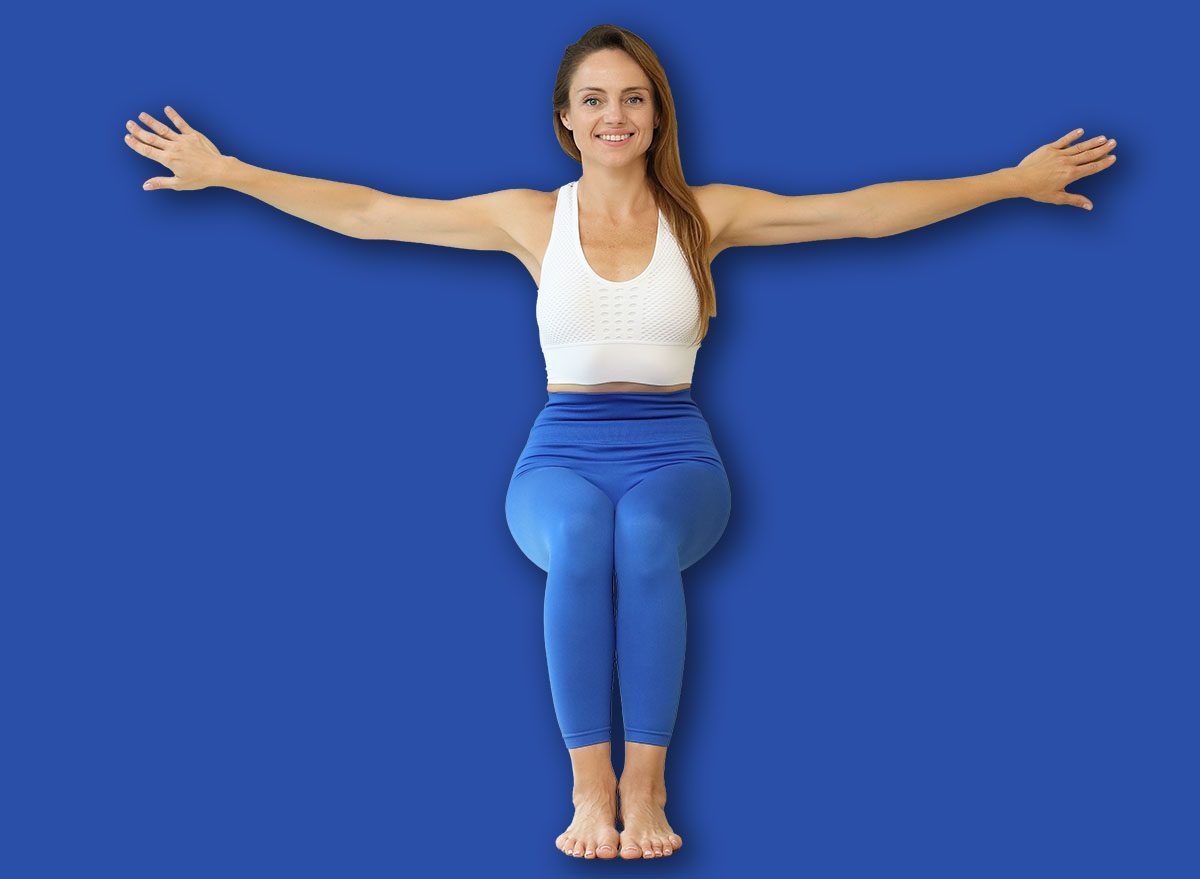
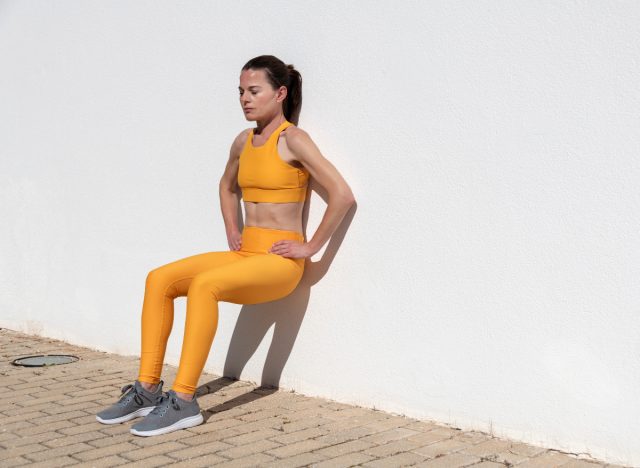
To effectively perform the wall sit, proper form is paramount to ensure both safety and efficacy. Begin by standing with your back pressed firmly against a sturdy wall, your feet positioned approximately shoulder-width apart and a comfortable distance from the wall, typically 18-24 inches. Slowly slide down the wall until your knees form an angle that feels sustainable and free from pain. While the ultimate goal for a "standard" wall sit often involves thighs parallel to the floor, forming a 90-degree angle at the knees, it is crucial for seniors to select a depth that allows for stable, controlled posture without strain. Your feet should remain flat on the floor, and your knees should be aligned directly above your ankles, avoiding any inward or outward collapse. Your back must stay in continuous contact with the wall, preventing any arching or leaning forward. Hands can be placed gently on your thighs, crossed over your chest, or kept at your sides; it is vital not to use your arms to push off your legs for support. Throughout the hold, maintain steady breathing, avoiding holding your breath. The duration of the hold begins once you achieve a stable position, and it concludes when your form deteriorates, or discomfort necessitates stopping. Consistency in maintaining this precise form is essential for accurate self-assessment and effective training.
The duration an individual over 70 can maintain a wall sit, while adhering to correct form, serves as a significant indicator of their functional leg strength and muscular endurance. These hold times can be categorized to provide meaningful insights into one’s current fitness level and potential areas for improvement:
-
Less than 15 seconds: A hold in this range typically suggests foundational leg strength may be limited. For individuals here, the primary focus should be on establishing a consistent exercise routine, prioritizing correct form over depth or duration. Even short, repeated holds can initiate muscle adaptation and gradually build the necessary strength to improve daily mobility and stability. This benchmark indicates that everyday tasks requiring sustained leg effort might be challenging, highlighting the importance of starting a progressive strength program.
-
15 to 30 seconds: Achieving this duration demonstrates a developing level of muscular endurance and strength. Individuals in this category are likely experiencing improvements in their ability to perform daily activities with greater ease and confidence. This range signifies a solid foundation is being built, indicating improved stability and control in movements that involve bent-knee positions, such as lowering into a chair or stepping up curbs. Continued practice can lead to further enhancements in functional capacity.
-
30 to 60 seconds: A wall sit hold within this timeframe represents a commendable level of functional leg strength and endurance for someone over 70. This signifies that the individual possesses robust lower body musculature capable of supporting sustained effort and maintaining stability under moderate fatigue. Such strength is highly beneficial for navigating more demanding physical tasks, reducing the risk of falls, and promoting a vibrant, active lifestyle. It indicates excellent resilience and a significant capacity for independent living.
-
60 seconds or more: Holding a clean wall sit for one minute or longer is truly an exceptional benchmark for individuals in this age group. This achievement reflects superior leg strength, outstanding muscular endurance, and remarkable fatigue resistance. It demonstrates a capacity to generate and sustain significant force in the lower body, which is a powerful predictor of prolonged mobility, reduced risk of sarcopenia-related complications, and a greatly enhanced healthspan. Individuals at this level often experience high degrees of physical autonomy and are well-equipped to engage in a wide range of activities without limitation, embodying a "top-tier" level of functional fitness.
It is crucial to remember that these are general benchmarks, and individual progress is paramount. The goal is not to compare oneself to others but to consistently improve one’s own capabilities.
To ensure the wall sit is accessible and beneficial for everyone, regardless of their current fitness level, various modifications and progressions can be employed:
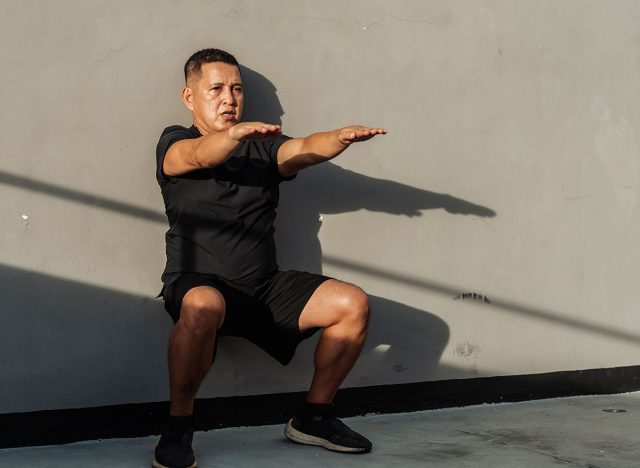
Modifications for Beginners or Those with Limitations:
- Higher Wall Sit: Instead of aiming for parallel thighs, start with a shallower knee bend (e.g., 45-60 degrees). This reduces the load on the quadriceps and knees, making the exercise more manageable while still engaging the muscles. As strength improves, gradually slide lower.
- Chair-Assisted Wall Sit: Place a sturdy chair behind you while performing the wall sit. If fatigue sets in, you can briefly rest your glutes on the chair before resuming the hold. This provides a safety net and allows for longer, interrupted holds as strength develops.
- Shorter Holds, More Sets: Instead of trying for one long hold, perform multiple shorter holds (e.g., 10-15 seconds) with brief rests in between. This accumulates time under tension and builds endurance progressively.
- Wider Foot Stance: A slightly wider foot stance can sometimes feel more stable and distribute the load differently, potentially easing pressure on certain joints.
Progressions for Advanced Individuals:
- Increased Depth: Gradually lower your hips until your thighs are parallel to the floor, or even slightly below, ensuring your knees remain stable and pain-free. This increases the gravitational load and muscle engagement.
- Extended Duration: Once you can comfortably hold a specific depth for a minute, work on extending that hold time incrementally.
- Weighted Wall Sit: For a significant challenge, hold a dumbbell, kettlebell, or wear a weighted vest across your lap or chest. This increases the resistance and demands greater muscular output.
- Single-Leg Wall Sit: This advanced variation involves lifting one foot off the ground, placing the entire load on a single leg. It requires substantial unilateral leg strength, balance, and core stability. This should only be attempted after mastering the two-legged version with excellent form.
- Varying Foot Position: Experiment with placing feet closer or further from the wall to subtly shift muscle activation, but always prioritize comfort and stability.
Integrating wall sits into a comprehensive fitness routine is key to maximizing their benefits. Aim to perform wall sits 2-3 times per week, allowing for rest days in between. A typical session might involve 2-4 sets, holding each for a duration appropriate to your current ability, with 60-90 seconds of rest between sets. This exercise should be part of a broader program that includes other forms of exercise. Cardiovascular activities, such as brisk walking, swimming, or cycling, are vital for heart health and overall endurance. Balance exercises, such as standing on one leg or heel-to-toe walks, are crucial for fall prevention, especially as they complement the stability gained from wall sits. Flexibility and mobility work, through stretching or yoga, helps maintain range of motion and joint health. Finally, incorporating other strength training exercises, using resistance bands, light free weights, or bodyweight movements like modified squats and lunges, will create a well-rounded muscular development program. Before embarking on any new exercise regimen, particularly for older adults or those with pre-existing health conditions, consulting with a healthcare professional or a certified personal trainer specializing in senior fitness is strongly recommended. They can provide personalized guidance and ensure the exercises are safe and appropriate for individual needs.
In conclusion, the wall sit offers a powerful, yet simple, method for older adults to assess, enhance, and maintain crucial lower body strength. As a low-impact, highly effective isometric exercise, it directly contributes to functional independence, reduces the risk of falls, and fosters a higher quality of life for individuals over the age of 70. Achieving a 60-second wall sit represents a significant milestone, signifying robust muscular endurance and resilience. However, the journey of building strength is personal and progressive. By embracing appropriate modifications, consistent practice, and integrating this exercise into a well-rounded fitness strategy, seniors can proactively invest in their physical autonomy, ensuring that their later years are characterized by sustained mobility, vitality, and continued engagement with the world around them.
About the Author










