As individuals progress through their later years, maintaining robust physical independence and a high quality of life becomes paramount. Among the many physiological attributes influencing these factors, balance stands out as a fundamental component, often underestimated until its decline begins to impact daily activities. Far from being a mere measure of steadiness, a person’s ability to maintain equilibrium is a sophisticated integration of sensory inputs, muscular strength, and neurological processing. A simple yet remarkably insightful assessment, the single-leg stand test, offers a profound glimpse into an individual’s current balance capabilities, particularly for those over 65, revealing not only their immediate stability but also providing predictive insights into future mobility and even overall health trajectory.
The human body’s capacity for balance is a complex symphony involving three primary sensory systems: the visual system (sight), the vestibular system (inner ear, sensing head position and motion), and the somatosensory system (proprioception, sensing body position and movement through touch and muscle stretch receptors). These systems continuously feed information to the brain, which then processes it and sends signals to muscles to make minute adjustments, keeping us upright. With advancing age, natural physiological changes can subtly—or sometimes overtly—compromise these systems. Reduced visual acuity, diminished nerve sensitivity in the feet, and changes in the inner ear can all contribute to a gradual erosion of balance. Furthermore, sarcopenia, the age-related loss of muscle mass and strength, particularly in the lower limbs and core, directly impairs the body’s ability to respond to these corrective signals effectively. However, the prevailing wisdom among fitness and medical professionals emphasizes that this decline is not an inevitable consequence of chronological aging alone. Instead, it is frequently exacerbated by a lack of consistent physical challenge to the very systems responsible for maintaining stability. When muscles, coordination, and reaction times are not regularly stimulated, their efficiency wanes, making the body less adept at navigating the everyday demands of movement.
Against this backdrop, the single-leg stand emerges as an exceptionally practical and revealing diagnostic tool. Unlike elaborate laboratory tests, it requires no specialized equipment and can be performed in almost any setting. Its brilliance lies in its simplicity while simultaneously engaging multiple physiological components critical for functional balance. When an individual lifts one foot off the ground, the body is immediately thrust into a state of disequilibrium, compelling the standing leg’s muscles—from the foot and ankle stabilizers to the glutes and quadriceps—to work synergistically with the core muscles. Simultaneously, the nervous system must rapidly process proprioceptive feedback and make continuous, subtle adjustments to prevent a fall. This holistic challenge makes the single-leg stand a robust indicator of real-world balance, mirroring the demands placed on the body during everyday actions like stepping off a curb, climbing stairs, or recovering from a minor stumble. Many clients, initially confident in their balance, are often surprised by the swift onset of fatigue or unsteadiness during this seemingly straightforward exercise, precisely because it exposes the often-untrained smaller stabilizing muscles and the efficiency of the neuromuscular pathways.
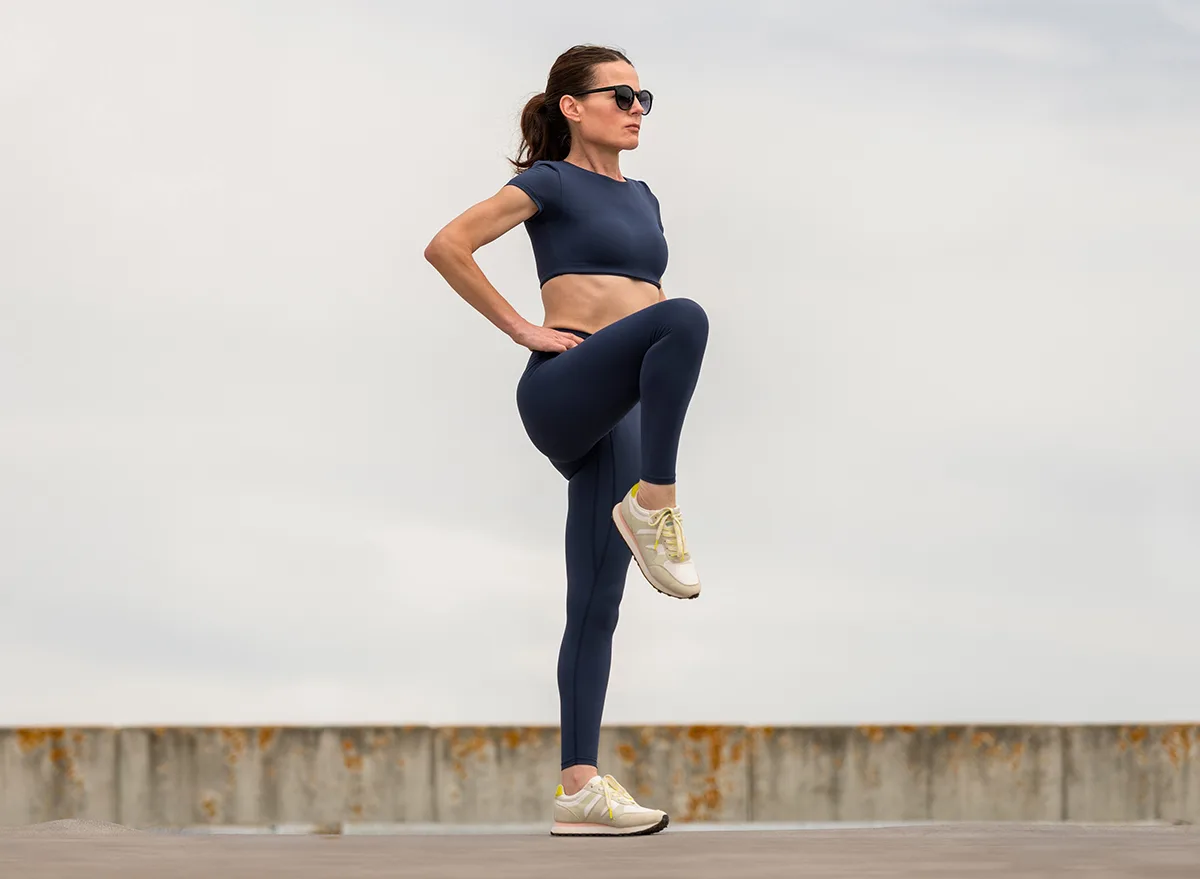
To ensure an accurate and safe assessment, proper execution of the single-leg stand is crucial. Begin by standing tall with feet positioned approximately hip-width apart, maintaining an upright posture. It is advisable to perform this test near a sturdy surface, such as a wall or a heavy piece of furniture, allowing for immediate support if needed. Gently shift your body weight onto one leg, allowing a slight, natural bend in the knee of the standing leg. This minor flexion prevents hyperextension and engages the muscles more effectively. Slowly lift the opposite foot a few inches off the floor, aiming to keep the lifted leg relaxed and bent at the knee, avoiding any attempt to push it forward or backward. Throughout the duration of the hold, maintain a steady gaze forward, focusing on a fixed point rather than looking down or closing your eyes, which adds an additional layer of challenge suitable for more advanced assessments. Crucially, engage your abdominal muscles to stabilize the core, and resist the urge to excessively grip the floor with your toes or lean significantly to one side. The objective is to remain as motionless and controlled as possible. Timed from the moment the foot leaves the ground until it touches down again, or until significant loss of balance necessitates moving the free leg or touching a support, this exercise should ideally be performed on both legs, noting the best time for each. Consistency in form and environment during repeated tests allows for reliable tracking of progress.
Interpreting the results of the single-leg stand test, particularly for adults aged 65 and above, offers valuable insights into an individual’s current state of balance and potential risks. While specific benchmarks can vary slightly across different studies, a widely accepted general guideline suggests that if an individual can hold this position for 30 seconds or longer on each leg without significant wobbling, their balance is considered to be at a very high level for their age group. This level of sustained control typically reflects robust lower-body stability, efficient neuromuscular coordination, and a lower immediate risk of falls compared to their peers. Shorter hold times, however, do not necessarily indicate an irreversible problem but rather highlight areas for potential improvement. For instance, a duration of 15-29 seconds might suggest moderate balance, while anything below 10-15 seconds could indicate a heightened risk of falls and potentially other underlying issues that warrant further investigation. Research has increasingly linked proficiency in this simple test to broader health outcomes. Studies have shown that a diminished ability to perform a single-leg stand can correlate with an increased risk of falls, a decline in cognitive function, and even serve as a predictor of mortality within a decade for older adults. This association underscores the test’s significance not just as a measure of physical stability but as a potential proxy for overall physiological resilience and brain health. Therefore, viewing the test result as a dynamic snapshot rather than a fixed diagnosis empowers individuals to proactively address any identified weaknesses.
The encouraging news is that balance, unlike some other age-related declines, is highly trainable and can show remarkable improvement with consistent, targeted effort. Many certified trainers and physical therapists report witnessing clients double their single-leg hold times within weeks by integrating specific balance exercises into their daily routines. The journey to enhanced stability begins with consistent practice of the single-leg stand itself. Initially, performing the exercise near a wall or a sturdy counter allows for necessary support, building confidence and allowing the muscles and nervous system to gradually adapt without the fear of falling. Rather than aiming for one long, exhaustive hold, multiple shorter attempts throughout the day can be more effective in fostering neural pathways and muscular endurance.
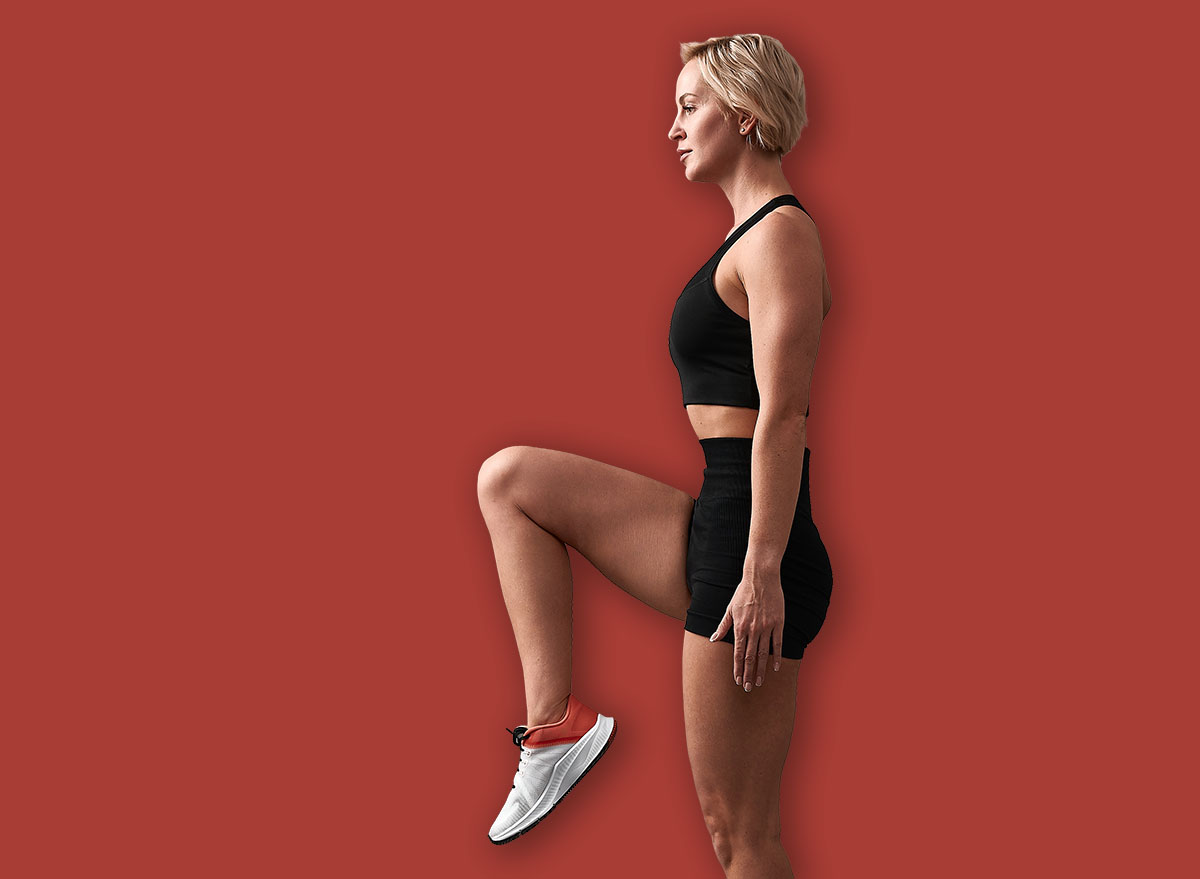
Beyond the core single-leg stand, a comprehensive approach to balance improvement integrates various exercises designed to strengthen the ancillary muscles and enhance proprioception. Incorporating heel-to-toe walks, where one foot is placed directly in front of the other, helps refine dynamic balance and foot placement. Standing marches, lifting knees high, engage core and hip flexor strength while challenging stability on one leg. Calf raises strengthen the ankle stabilizers, crucial for reacting to uneven surfaces. Side leg lifts, performed slowly and with control, target the hip abductors, which play a significant role in lateral stability. Advanced exercises might include standing on unstable surfaces like a cushion or balance board (with supervision), or engaging in activities like Tai Chi or Yoga, both renowned for their emphasis on slow, controlled movements, posture, and mindful breathing, all of which profoundly benefit balance and body awareness. Throughout any exercise regimen, prioritizing slow, deliberate movements and controlled breathing is essential, as this engages the deep stabilizing muscles and fosters a stronger mind-body connection.
Ultimately, as these specialized muscles gain strength and coordination improves, the act of maintaining balance becomes less conscious effort and more an automatic, ingrained response. This enhanced stability translates directly into everyday life, making walking, standing, and navigating various environments feel smoother, safer, and more controlled. Beyond specific exercises, a holistic approach to preserving balance also considers other contributing factors: regular eye exams to address visual impairments, a thorough review of medications with a healthcare provider to identify any drugs that might cause dizziness or unsteadiness, wearing supportive and appropriate footwear, and making minor modifications to the home environment, such as removing tripping hazards or installing handrails where needed.
In conclusion, the single-leg stand test is more than just a physical challenge; it is a vital indicator of an individual’s current health status and a predictor of future independence. For adults over 65, understanding and actively working to improve balance is not merely about preventing falls, but about fostering confidence, extending autonomy, and maintaining an active, fulfilling life. By embracing simple yet powerful diagnostic tools like the single-leg stand and committing to targeted, consistent training, individuals can proactively invest in their mobility, significantly enhancing their journey through the later stages of life with greater stability and vitality.
About the Author