As individuals navigate the later stages of life, typically beyond the age of 60, many observe significant physiological shifts that impact body composition, particularly in the abdominal region. This phenomenon, often colloquially referred to as "belly overhang," is not merely an aesthetic concern but a complex interplay of hormonal, metabolic, and muscular changes inherent to the aging process. Understanding these underlying mechanisms is crucial for adopting effective and sustainable strategies to support core health and overall well-being. Rather than relying on traditional, high-impact exercises like crunches, which may offer limited benefits for systemic fat reduction and pose potential risks for older adults, a more integrated approach focusing on deep core activation, postural alignment, and functional strength, particularly through accessible seated exercises, proves to be significantly more beneficial.
One of the primary biological contributors to changes in abdominal contour is sarcopenia, the progressive and generalized loss of skeletal muscle mass and strength that occurs with aging. After the age of 30, muscle mass can decrease by 3-8% per decade, with this rate accelerating after 60. This reduction in lean muscle tissue directly affects the deep core muscles, including the transverse abdominis, multifidus, and pelvic floor, which are vital for spinal stability and maintaining the integrity of the abdominal wall. With diminished muscular support, the abdomen can naturally appear more protruded. Furthermore, reduced muscle mass contributes to a slower basal metabolic rate, meaning the body burns fewer calories at rest. This metabolic deceleration, combined with potentially decreased physical activity, can lead to increased fat storage, often preferentially in the abdominal area.
Hormonal fluctuations also play a profound role. In women, the decline in estrogen levels during menopause is strongly associated with a redistribution of fat from the hips and thighs to the abdomen, increasing visceral fat, which surrounds internal organs and carries higher health risks. Similarly, in men, a gradual reduction in testosterone levels with age can lead to increased abdominal adiposity and a decrease in muscle mass. These hormonal shifts, alongside a natural reduction in skin elasticity due to decreased collagen and elastin production, contribute to a softer, less supported appearance of the midsection.
Beyond internal physiological changes, external factors such as habitual posture can significantly exacerbate the appearance of an enlarged abdomen. Common postural deviations in older adults, such as an anterior pelvic tilt (where the pelvis tilts forward, increasing the arch in the lower back) and a forward head posture (often accompanied by a rounded upper back or kyphosis), can push the abdominal contents forward, making the lower belly appear more prominent. These postural issues are often a direct consequence of weakened core muscles, tight hip flexors, and imbalances throughout the kinetic chain. Therefore, addressing core strength and spinal alignment becomes paramount for truly impacting the abdominal profile and enhancing functional movement.
Traditional abdominal exercises like crunches primarily target the rectus abdominis, the superficial muscle responsible for the "six-pack" aesthetic. While they can strengthen and tone this specific muscle, they are often insufficient for comprehensive core development, particularly for deep core activation and postural correction. Moreover, crunches may place undue strain on the neck and lower back, especially if performed with improper form or by individuals with pre-existing spinal conditions. For older adults, the focus should shift from isolated, high-intensity movements to integrated, functional exercises that build foundational strength, improve stability, and support daily activities without excessive strain.
Enter the realm of chair-based exercises. These movements offer a safe, accessible, and highly effective alternative for strengthening the core, improving posture, and enhancing overall body composition. The seated position provides inherent stability, reducing the risk of falls and allowing individuals to concentrate on muscle activation and proper form. This stability also enables a deeper focus on the intrinsic core muscles that are crucial for spinal health and abdominal support. Karen Ann Canham, a Board-Certified Wellness Coach and Nervous System Specialist with extensive experience, emphasizes that for adults over 60, "focusing on deep core activation, posture, and full-body strength is more effective and sustainable" than relying solely on crunches. These chair exercises, she notes, "strengthen the deep core and supporting muscle groups in a stable, accessible position, helping improve posture, muscle tone, and overall body composition—all of which contribute to reducing belly overhang over time."
Let’s delve into specific chair exercises that embody this holistic approach:
1. Seated Knee Lifts:
This exercise targets the lower abdominal muscles and hip flexors while promoting spinal stability.
- Execution: Sit tall on the edge of a sturdy chair with feet flat on the floor, hip-width apart. Engage your core by drawing your navel towards your spine. Keeping your back straight and shoulders relaxed, slowly lift one knee towards your chest, maintaining a 90-degree bend in the knee. Hold briefly at the top, focusing on the contraction in your lower abdomen, then gently lower the foot back to the floor. Alternate legs.
- Benefits: Strengthens the iliopsoas (hip flexors) and the lower rectus abdominis. This movement is fundamental for functional activities like walking, climbing stairs, and getting out of a chair. By engaging the deep core to stabilize the trunk, it helps counteract the anterior pelvic tilt often seen with aging.
2. Seated Marches with Core Bracing:
This dynamic exercise integrates core activation with rhythmic leg movement, enhancing coordination and pelvic stability.
- Execution: Begin in the same seated position as for knee lifts, sitting tall with an engaged core. Place your hands lightly on your thighs or by your sides. Initiate a marching motion by alternately lifting each knee slightly off the floor, as if you’re marching in place. The key is to brace your core throughout the movement, imagining you’re preparing for a gentle punch to the stomach. Keep the movement controlled and smooth, avoiding any rocking or twisting of the torso.
- Benefits: This exercise builds endurance in the deep core stabilizers, improves hip mobility, and enhances neuromuscular coordination. The core bracing aspect is vital for protecting the spine and teaching the body to maintain stability during dynamic movements, which translates directly to improved balance and gait, reducing the risk of falls.
3. Seated Torso Rotations:
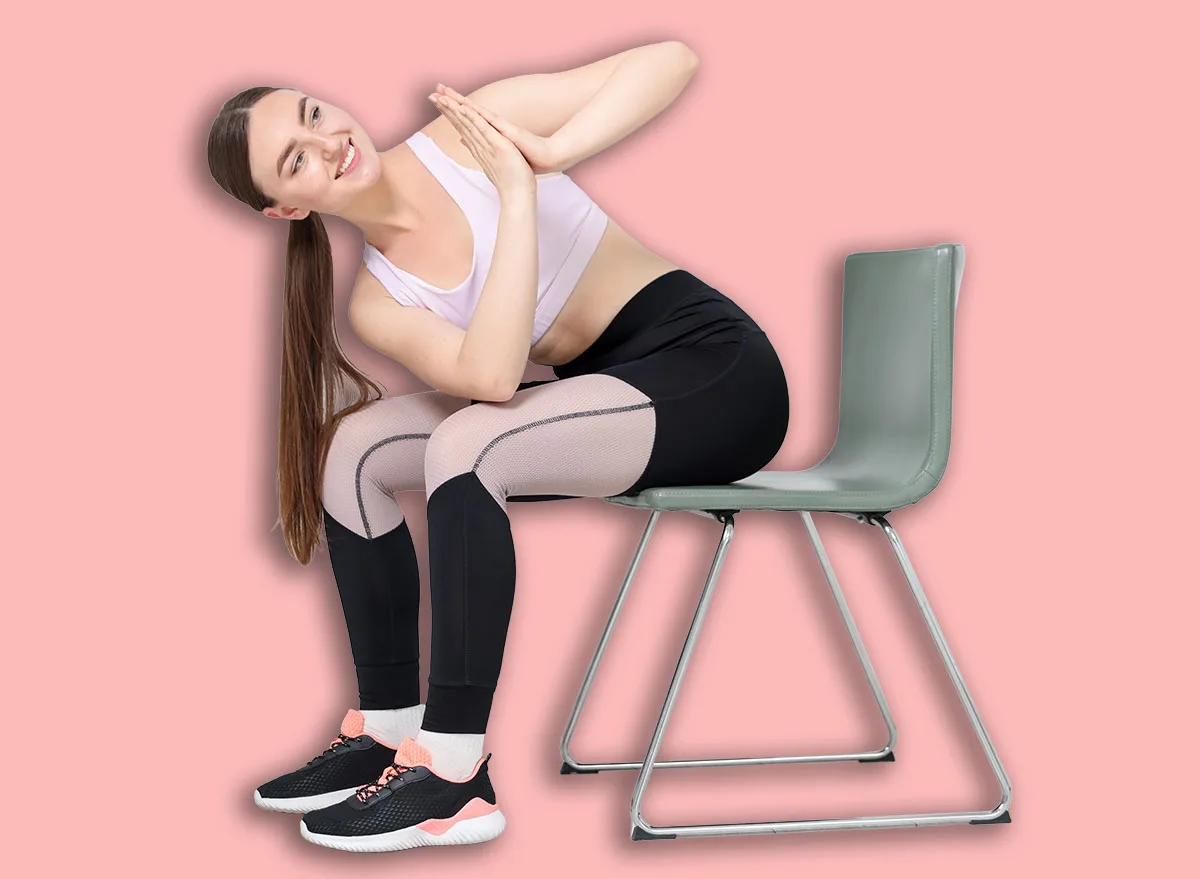
Targeting the oblique muscles and promoting spinal flexibility, this exercise is crucial for everyday movements like reaching and turning.
- Execution: Sit tall, feet flat, core engaged. Place your hands behind your head or cross them over your chest. Slowly rotate your torso to one side, leading with your rib cage, while keeping your hips relatively stable and facing forward. Avoid using momentum; instead, focus on the controlled contraction of your oblique muscles. Return to the center, then rotate to the other side. Maintain a long spine throughout the movement.
- Benefits: Strengthens the internal and external obliques, which are essential for rotational movements and providing lateral support to the trunk. Improved spinal mobility can alleviate stiffness and discomfort, while stronger obliques contribute to a more cinched waistline and better overall core integration. This exercise also improves the functional ability to twist safely, for example, when reaching for something in the backseat of a car.
4. Seated Leg Extensions:
This exercise focuses on strengthening the quadriceps and engaging the lower abdominal muscles for support, contributing to knee health and lower body power.
- Execution: Sit tall, core engaged, hands holding the sides of the chair for support if needed. Slowly extend one leg straight out in front of you, lifting your foot off the floor until your leg is parallel to the ground or as high as comfortable without straining. Flex your foot, pulling your toes towards your shin, and squeeze your quadriceps. Hold for a moment, then slowly lower your foot back down. Alternate legs.
- Benefits: Builds strength in the quadriceps, crucial for knee stability, walking, and getting up from a seated position. The act of extending the leg requires stabilization from the lower abdominal muscles, thus indirectly engaging the core. Stronger quadriceps also contribute to a more active lifestyle, which is beneficial for metabolic health and fat management.
Incorporating these chair-based exercises into a regular routine, alongside a balanced nutritional approach and adequate rest, forms a powerful strategy for managing abdominal health and enhancing overall vitality in later life. While these movements are generally safe and accessible, it is always advisable for individuals to consult with a healthcare provider or a certified fitness professional before beginning any new exercise program, especially if they have pre-existing health conditions or mobility concerns. Consistency, proper form, and listening to one’s body are paramount for achieving lasting results and fostering a healthier, more active future. This holistic, integrated approach moves beyond simplistic notions of "trimming belly fat" and instead cultivates a foundation of strength, stability, and functional independence that truly enriches the aging experience.
About the Author