Maintaining robust lower body strength represents a cornerstone of healthy aging, profoundly influencing an individual’s independence and overall quality of life well into their senior years. As the global population ages, the imperative to preserve functional mobility becomes increasingly critical, shifting focus from merely extending lifespan to enhancing "healthspan"—the period of life spent in good health, free from disabling disease. Among the various methods for assessing physical capabilities, a simple yet highly effective exercise, the wall sit, has emerged as a valuable diagnostic tool for evaluating leg strength and endurance in individuals beyond the age of 60. This isometric exercise provides profound insights into the muscular resilience of the quadriceps, glutes, and core, directly correlating with one’s ability to perform everyday activities with ease and confidence.
The significance of powerful lower extremities transcends mere athletic performance; it underpins nearly every movement we make throughout the day. From rising from a chair and navigating stairs to carrying groceries and maintaining balance on uneven terrain, the muscles of the legs are in constant demand. A decline in this crucial strength, often a consequence of age-related muscle loss known as sarcopenia, can dramatically impair functional independence, elevate the risk of falls, and diminish an individual’s engagement in physical and social activities. Sarcopenia, which typically begins in the third decade of life and accelerates after 50, can lead to a loss of 3-8% of muscle mass per decade, coupled with a corresponding decrease in strength and power. This physiological decline is not an inevitable fate but rather a process that can be significantly mitigated through targeted physical activity and a balanced diet.
For over a decade, fitness professionals have observed a consistent pattern: clients who actively maintain strong, capable legs exhibit superior movement patterns, remain more active in their daily lives, and navigate physical challenges with considerably less effort. The extensive muscle groups encompassing the quadriceps (front of thigh), glutes (buttocks), and hips serve as the primary movers and crucial stabilizers for walking, standing, and countless other actions. Furthermore, these muscles act as protective anchors for major joints, particularly the knees and hips. When the lower body musculature remains robust, it more efficiently absorbs impact forces and helps maintain optimal joint alignment during movement, thereby reducing stress on the knees and lower back and promoting steadiness during extended periods of activity.
The wall sit is particularly insightful because it challenges the muscular system in a manner that mirrors real-world demands. Unlike dynamic exercises involving movement, the wall sit requires an isometric contraction, where muscles generate force without changing length. This sustained tension targets the quadriceps, gluteal muscles, and core stabilizers, forcing them to bear the body’s weight in a fixed position. The duration an individual can hold this specific posture offers a direct quantifiable measure of the endurance and sustained strength of the lower body. This assessment provides a pragmatic indicator, moving beyond abstract strength metrics to gauge functional capacity directly relevant to daily living.
Beyond its diagnostic utility, the wall sit itself is a potent exercise for building the very strength it measures. By demanding sustained engagement of key muscle groups, it cultivates fatigue resistance essential for prolonged physical exertion. Waiting in line at the grocery store, holding a specific posture while gardening, or simply standing for an extended period all impose similar demands on muscular endurance. During a wall sit, the quadriceps typically bear the brunt of the load, while the glutes and core musculature provide critical support for maintaining proper spinal alignment and overall posture. This sustained isometric tension, devoid of momentum, specifically enhances the endurance of the muscles vital for ambulation, standing, and ascending or descending stairs. Moreover, consistently performing wall sits reinforces joint control around the knees and hips. As the legs gain strength in this static position, the body learns to maintain precise alignment, even as muscular fatigue begins to set in. Such refined control is paramount for safeguarding joint health and ensuring long-term mobility.
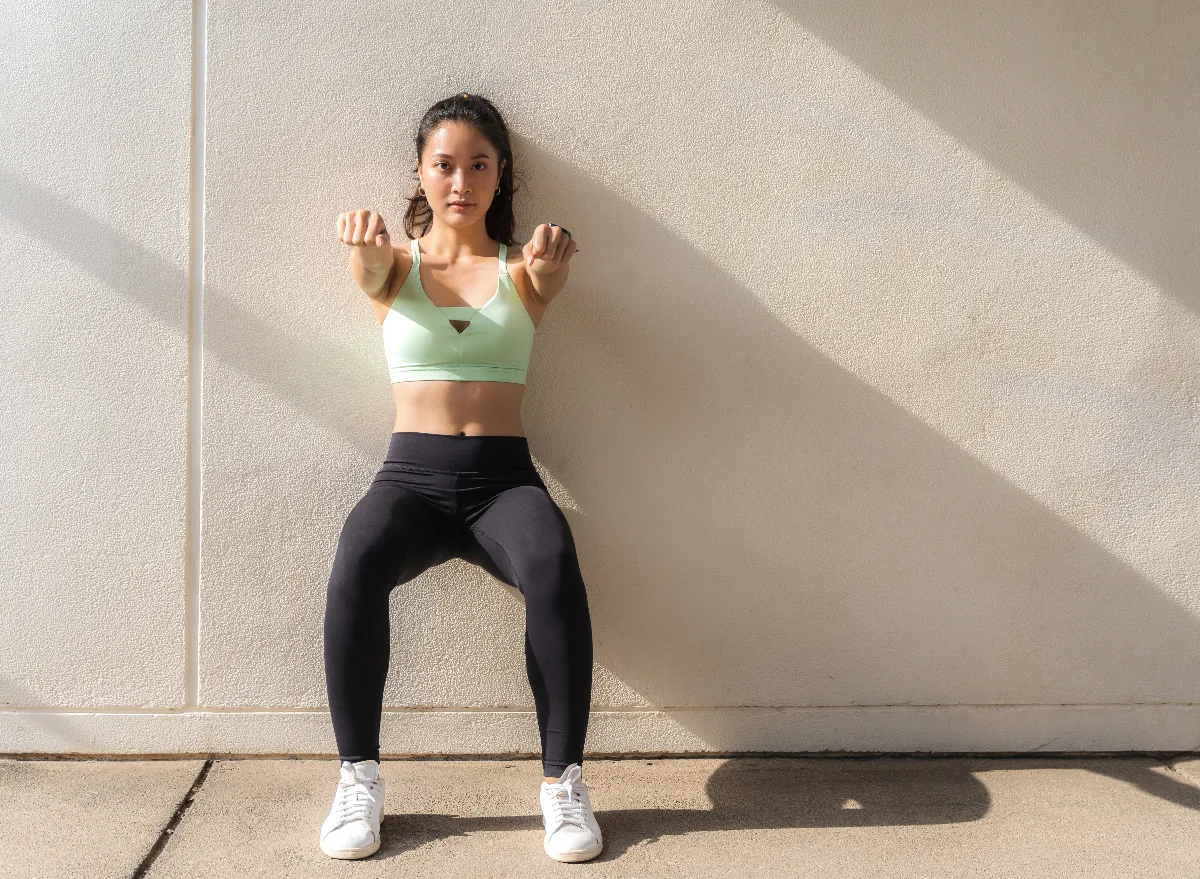
To ensure an accurate and beneficial assessment, proper wall sit technique is paramount. The goal is to maintain a stable, squat-like position with the entire back supported against a vertical surface. Consistent posture throughout the hold is crucial for the exercise to effectively measure leg strength and endurance.
Executing the Wall Sit with Precision:
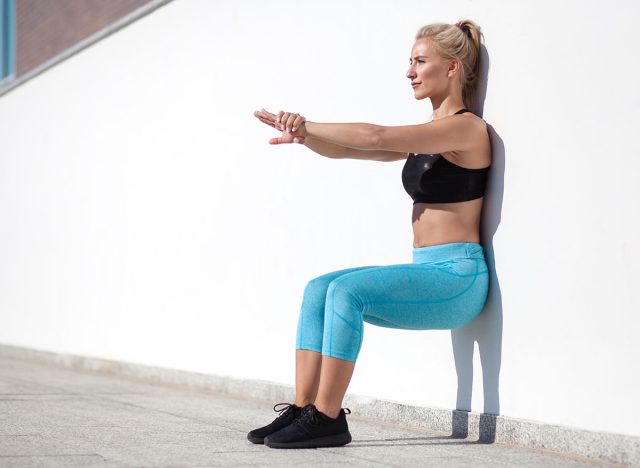
- Initial Positioning: Begin by standing with your back flat against a sturdy wall. Your feet should be hip-width apart and positioned approximately two feet away from the wall.
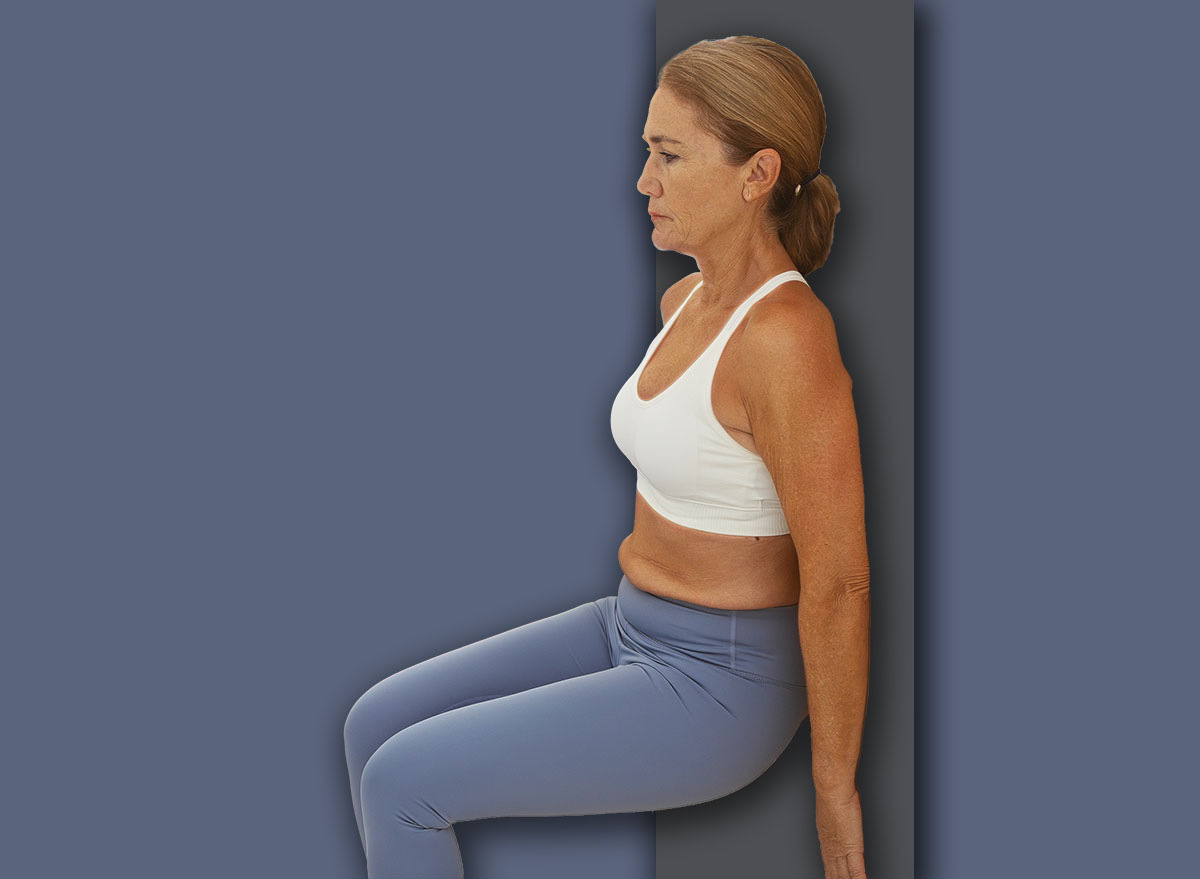
- Descending to Position: Slowly slide your back down the wall until your knees form a 90-degree angle, as if you are sitting in an invisible chair. Ensure your thighs are parallel to the floor.
- Foot Placement: Adjust your feet so that your knees are directly above your ankles, creating a stable base. Your shins should be perpendicular to the floor.
- Core Engagement: Actively brace your abdominal muscles and press your lower back firmly against the wall, maintaining a neutral spine.
- Upper Body Relaxation: Allow your arms to hang loosely at your sides or rest them gently on your thighs, ensuring they do not assist in supporting your weight.
- Hold and Time: Hold this position for as long as possible, maintaining correct form. Note the duration from the moment you achieve the 90-degree knee bend until you can no longer sustain the proper angle or your back lifts from the wall.
- Exiting the Hold: To conclude, slowly slide back up the wall to a standing position.
Interpreting Your Wall Sit Performance After 60:
The duration an individual aged 60 or older can sustain a correct wall sit provides valuable insights into their current level of lower body strength and endurance. These benchmarks offer a general guide, acknowledging that individual fitness levels can vary widely.
- Under 20 Seconds (Developing Strength): This range suggests that the individual’s lower body strength and endurance could benefit significantly from dedicated training. Daily activities might present challenges, and there could be an elevated risk of fatigue during prolonged standing or walking. Focusing on foundational strength exercises is recommended.
- 20-45 Seconds (Functional Strength): Individuals in this category possess a commendable level of leg strength capable of supporting most routine daily activities. While generally independent, they may experience some muscular fatigue during more extended or strenuous physical efforts. Consistent training can help push beyond this baseline.
- 45-90 Seconds (Robust Strength): This score reflects well-developed quadriceps and gluteal muscles with strong muscular endurance. People achieving this level are likely to move confidently through their day, experiencing minimal fatigue during typical physical tasks. This indicates a good foundation for maintaining an active lifestyle.
- Over 90 Seconds (Exceptional Strength and Endurance): A hold time exceeding 90 seconds demonstrates excellent leg strength and remarkable fatigue resistance. The lower body of these individuals exhibits superior stability and power, even under demanding conditions. This level of performance is indicative of a highly active and resilient physiological state, significantly contributing to long-term independence and a high quality of life.
Strategies for Enhancing Lower Body Resilience in Later Years:
Improving lower body strength is a progressive journey achievable through consistent effort and mindful movement, even after the age of 60. These strategies are designed not only to boost wall sit times but also to support overall joint health, mobility, and functional independence.

- Prioritize Progressive Resistance Training: The principle of progressive overload is fundamental. Gradually increase the demands placed on your muscles over time. This can involve extending wall sit durations, adding repetitions to other exercises, or increasing resistance (e.g., using resistance bands or light weights). Focus on compound movements that engage multiple muscle groups simultaneously, such as squats (bodyweight, goblet squats with a light dumbbell), lunges, and step-ups onto a low bench.
- Incorporate Isometric Holds Regularly: Beyond the wall sit, include other static holds in your routine. Examples include plank variations for core strength, or holding a squat position without wall support for short durations. These exercises build sustained muscular tension, enhancing endurance.
- Emphasize Balance and Proprioception: Strong legs are only part of the equation; good balance is equally vital for fall prevention. Integrate exercises like single-leg stands (holding onto support if needed), heel-to-toe walking, and dynamic balance drills. Practices like Tai Chi and Yoga are excellent for improving balance, flexibility, and overall body awareness.
- Explore Wall Sit Variations: Once comfortable with the basic wall sit, introduce variations to further challenge your muscles. A Single-Leg Wall Sit significantly increases the load on one leg, building unilateral strength. A Weighted Wall Sit involves holding a dumbbell or weight plate on your lap. Heels-Elevated Wall Sits can shift emphasis slightly to the quadriceps. Banded Wall Sits, with a resistance band around the knees, encourage glute activation. Alternating Leg Lift Wall Sits combine isometric hold with dynamic movement.
- Ensure Adequate Protein Intake and Hydration: Muscle repair and growth require sufficient protein. Aim for lean protein sources at each meal. Proper hydration is also crucial for muscle function and recovery, helping to prevent cramps and fatigue.
- Seek Professional Guidance: Consulting with a certified personal trainer, especially one specializing in senior fitness, can provide personalized programs tailored to individual needs, health conditions, and fitness goals. A physical therapist can also offer valuable insights, particularly for those with existing joint issues or mobility concerns.
- Consistency is Key: Regularity trumps intensity in the long run. Aim for at least 2-3 strength training sessions per week, allowing for adequate rest and recovery between sessions. Even short, consistent efforts yield significant cumulative benefits.
In conclusion, the ability to perform a wall sit for an extended period with correct posture is far more than a simple fitness achievement; it is a tangible indicator of lower body strength and stability crucial for an active and independent life past the age of 60. By understanding its significance, accurately assessing one’s performance, and implementing targeted training strategies, individuals can proactively invest in their physical resilience, ensuring that their legs remain powerful allies in navigating the journey of healthy aging for many years to come.
About the Author