
The human core, a complex network of muscles encompassing the abdomen, back, and pelvis, serves as the fundamental anchor for nearly every physical action. Its integrity is paramount for maintaining balance, facilitating movement, and preventing injury throughout life. As individuals advance into their sixties and beyond, the significance of robust core musculature amplifies considerably. The natural process of aging often brings with it a gradual decline in muscle mass, known as sarcopenia, and a reduction in neuromuscular control. These changes can directly impact an older adult’s stability, posture, and overall functional independence. A well-conditioned core, however, can act as a powerful buffer against these age-related challenges, promoting greater confidence and ease in daily activities.
Expert observations within the fitness and rehabilitation fields consistently highlight how enhanced core strength manifests subtly yet profoundly in older clients. Improved equilibrium, a more upright posture, and the ability to execute everyday tasks—such as navigating stairs, lifting groceries, or simply standing for extended periods—with reduced effort and increased fluidity are common indicators. This vital muscle group operates as the body’s central stabilizing mechanism, diligently supporting movement patterns and maintaining spinal alignment behind the scenes. Its silent, continuous work underpins physical resilience and contributes significantly to a higher quality of life.
Among the myriad exercises designed to target the core, the plank stands out as a particularly effective and insightful assessment tool. This isometric hold requires the body to maintain a rigid, straight line, engaging not only the deep abdominal muscles but also recruiting synergistic support from the shoulders, hips, and legs. Unlike dynamic exercises that involve bending or twisting, the plank specifically trains the core to resist movement, thereby enhancing spinal stability. This capacity to maintain controlled tension against gravity makes the plank an exceptionally reliable metric for evaluating core endurance and overall strength. Its simplicity belies its profound efficacy, serving simultaneously as both a diagnostic benchmark and a potent training method. The duration for which an individual can sustain proper plank form directly correlates with the endurance capacity of their core stabilizers. Consequently, fitness professionals frequently employ plank hold times as a quick, yet comprehensive, indicator of an individual’s core fitness level.
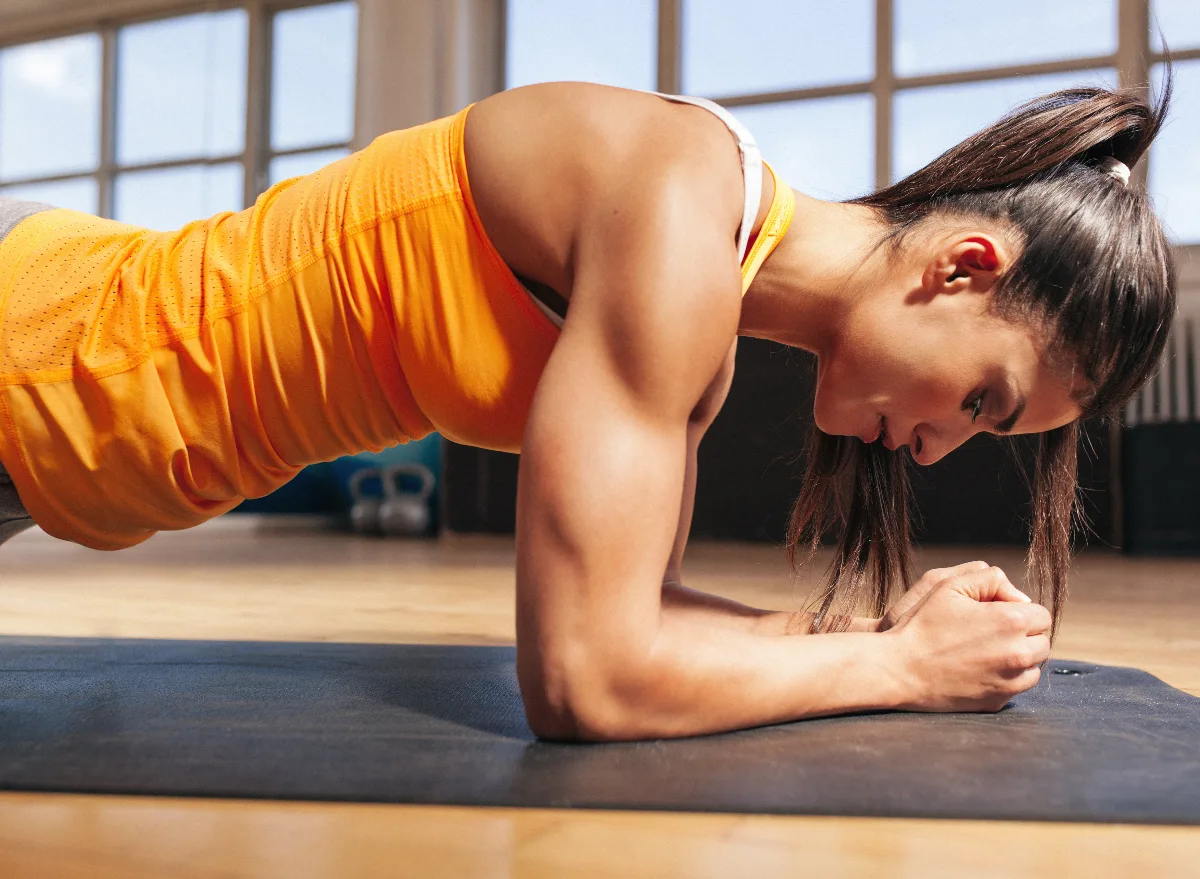
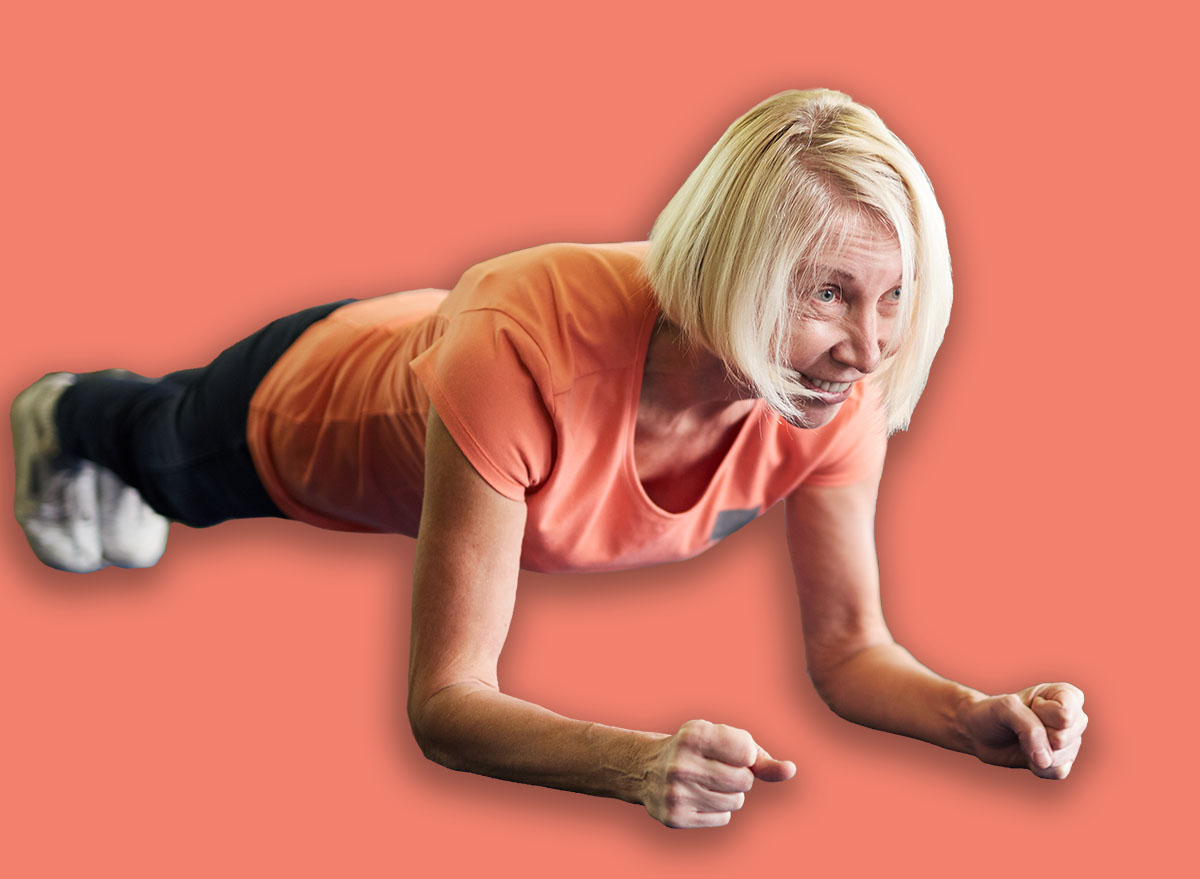
Achieving a flawless plank posture is critical before focusing on duration. Correct form ensures that the target muscles are effectively engaged and minimizes the risk of strain or injury. A properly executed plank involves maintaining a straight line from the crown of the head to the heels, with the core muscles actively braced throughout the entire hold.
To perform a plank with optimal technique:
- Begin in a push-up position, then lower yourself onto your forearms, ensuring your elbows are directly beneath your shoulders.
- Extend your legs straight back, resting on the balls of your feet.
- Engage your abdominal muscles by drawing your navel towards your spine, as if preparing for a gentle punch to the stomach.
- Maintain a neutral spine and neck, keeping your gaze directed towards the floor just ahead of your hands.
- Crucially, resist the urge to allow your hips to sag towards the floor or to raise your buttocks too high into the air. The body must remain in a single, unyielding line from head to heels for the duration of the hold. This strict alignment is paramount for effectively testing core endurance and maximizing the exercise’s benefits.
For individuals over the age of 60, specific plank hold durations offer valuable insights into their core strength relative to their peer group. These benchmarks serve as a practical guide for self-assessment and highlight areas for potential improvement. Sustaining a plank with impeccable form for 90 seconds or more is a significant achievement, indicating a level of core strength that surpasses that of 90% of most individuals in this age demographic. This exceptional performance reflects not only superior muscle endurance but also robust spinal support, improved balance, and enhanced functional capacity in daily life. Even shorter durations provide useful data: holding a plank for 30-60 seconds suggests a good, functional core, while anything under 30 seconds may indicate a need for targeted strengthening efforts. The consistent ability to maintain proper alignment during these holds directly reflects the resilience of the stabilizing muscles surrounding the spine. This muscular fortitude is crucial for safeguarding the lower back, supporting upright posture, and enhancing stability during a wide array of everyday movements, thereby contributing significantly to overall well-being in later years.
The profound benefits of a strong core in the later stages of life extend far beyond merely performing exercises. One of the most critical implications is its direct impact on fall prevention. As balance often diminishes with age, a powerful core acts as a vital stabilizer, improving proprioception and reaction time, thus significantly reducing the risk of dangerous falls—a leading cause of injury and mortality among seniors. Furthermore, a robust core system plays a pivotal role in mitigating and preventing chronic lower back pain, a common complaint that can severely restrict mobility and quality of life. By providing essential support to the lumbar spine, strong core muscles alleviate undue stress on spinal structures. Moreover, functional independence is inextricably linked to core strength; tasks such as rising from a chair, reaching overhead, or carrying groceries become less strenuous and more secure. Even basic posture, which can suffer from age-related slouching (kyphosis), benefits immensely from strong core support, promoting an upright stance that improves breathing, circulation, and overall physical presentation.
Improving one’s plank duration typically involves a combination of consistent effort, strategic progression, and meticulous attention to form. The primary objective is to progressively enhance the endurance of the core’s stabilizing muscles, gradually increasing the duration they can effectively sustain tension.
Several effective strategies can be employed to elevate plank performance:
- Gradual Time Increase: Start with achievable hold times (e.g., 20-30 seconds) and incrementally add 5-10 seconds to each subsequent attempt as strength builds.
- Multiple Sets: Instead of aiming for one long hold, perform several shorter planks with brief rests in between. For example, three sets of 45 seconds with 30 seconds of rest.
- Focus on Form: Prioritize perfect alignment over duration. A 30-second plank with impeccable form is far more beneficial than a 60-second plank with sagging hips or a raised posterior.
- Incorporate Variations: Introduce variations like the forearm plank, straight-arm plank, side plank, or even dynamic planks with small limb lifts (e.g., raising one leg a few inches off the floor) to challenge different muscle groups and increase difficulty.
- Rest and Recovery: Allow muscles adequate time to recover and rebuild between training sessions. Overtraining can hinder progress and increase injury risk.
- Integrate Breathing: Practice deep diaphragmatic breathing during your plank holds. This not only supports the core but also helps manage fatigue.
Consistent engagement with these practices typically yields noticeable improvements in plank hold times within a matter of weeks, translating into tangible gains in overall core strength and stability.
Beyond the plank itself, a comprehensive approach to cultivating and maintaining core strength involves integrating smart training habits and mindful movement into daily life. The intricate network of muscles responsible for spinal stabilization responds optimally to regular, controlled exercise and consistent engagement. Even seemingly minor daily adjustments can significantly enhance how the body feels, moves, and functions.
Key daily practices for fostering robust core strength include:
- Mindful Movement: Consciously engage your core during everyday activities such as lifting objects, standing, walking, and even sitting. Imagine drawing your navel towards your spine to brace your core.
- Varied Core Exercises: Supplement planks with a diverse range of core-strengthening exercises. Movements like bird-dog, dead bug, glute bridges, and pelvic tilts engage different core muscles dynamically, promoting balanced strength and flexibility. For older adults, exercises that are low-impact and emphasize controlled movement are particularly beneficial.
- Maintain Good Posture: Be aware of your posture throughout the day, whether standing, sitting, or walking. Actively straighten your spine, draw your shoulders back and down, and engage your core to support an upright position.
- Stay Active: Regular physical activity, even moderate forms like walking or swimming, naturally engages and strengthens core muscles. Avoid prolonged periods of inactivity, which can lead to core deconditioning.
- Hydration and Nutrition: Support muscle health through adequate hydration and a balanced diet rich in protein, vitamins, and minerals. Healthy muscles respond better to training and recover more efficiently.
- Seek Professional Guidance: If you have specific health concerns, chronic pain, or are new to exercise, consult with a healthcare provider or a certified fitness professional. They can offer personalized advice and ensure exercises are appropriate for your individual needs and physical condition.
By consistently adhering to these habits, individuals can ensure their core continues to provide unwavering support for enhanced movement, superior balance, and a profound sense of confidence in all aspects of daily life. The plank, while a powerful metric, is ultimately a gateway to a stronger, more resilient body, empowering adults over 60 to navigate their world with greater ease, independence, and vitality.
About the Author










