New scientific inquiry reveals a self-destructive mechanism within malignant growths, where the very mechanisms driving their aggressive proliferation inadvertently inflict severe damage upon their own genetic blueprint. This intrinsic vulnerability arises from the relentless and amplified activity of crucial genes, orchestrated by potent regulatory elements known as super-enhancers, which become indispensable for the tumor’s survival and expansion. The extraordinary demand placed on these genes forces their associated DNA regions into a state of extreme strain, leading to significant structural failures, commonly referred to as breaks.
While cancer cells possess an inherent, albeit imperfect, capacity for DNA repair, this continuous cycle of damage and restoration is not without consequence. Each instance of mending introduces the potential for subtle errors, gradually accumulating mutations within these hyperactive genomic segments. Paradoxically, the very biological machinery that enables a tumor to achieve rapid growth and multiplication simultaneously renders its genetic material increasingly fragile and prone to instability. This escalating genomic precariousness can, in turn, empower cancers to undergo critical transformations, facilitating their adaptation to hostile environments, enhancing their invasiveness, and ultimately escalating their overall malignancy.
The fundamental requirement for rapid cellular division necessitates that cancer cells significantly elevate the operational tempo of specific genes compared to their quiescent counterparts in healthy tissues. These upregulated genes are pivotal in sustaining the complex cellular processes that govern tumor proliferation, ensuring cellular longevity, and maintaining the intricate biochemical pathways essential for sustained growth. This amplified genetic activity, however, is not without a physical toll on the DNA molecule itself.
A groundbreaking study, recently published in the esteemed journal Science Advances, provides compelling evidence that this exceptionally intense gene expression exerts a tangible physical consequence on the DNA structure. As cancer cells relentlessly push pivotal genes to operate at their absolute maximum capacity, the DNA sequences within these targeted regions become susceptible to substantial damage. This discovery, spearheaded by PhD candidate Osama Hidmi under the mentorship of Professor Rami Aqeilan at the Hebrew University of Jerusalem, illuminates a previously unrecognized factor contributing to the widespread genetic instability observed in neoplastic cells.
The investigative team meticulously observed that the instances of DNA breakage frequently coincided with the genomic loci where cancer cells were most aggressively driving genes associated with tumor propagation. Their research focused intently on the functional role of super-enhancers, which function as exceptionally potent genetic control mechanisms. These DNA segments possess the remarkable ability to dramatically amplify the expression of adjacent genes, thereby ensuring the sustained and high-level operation of cellular programs that actively promote cancer development.
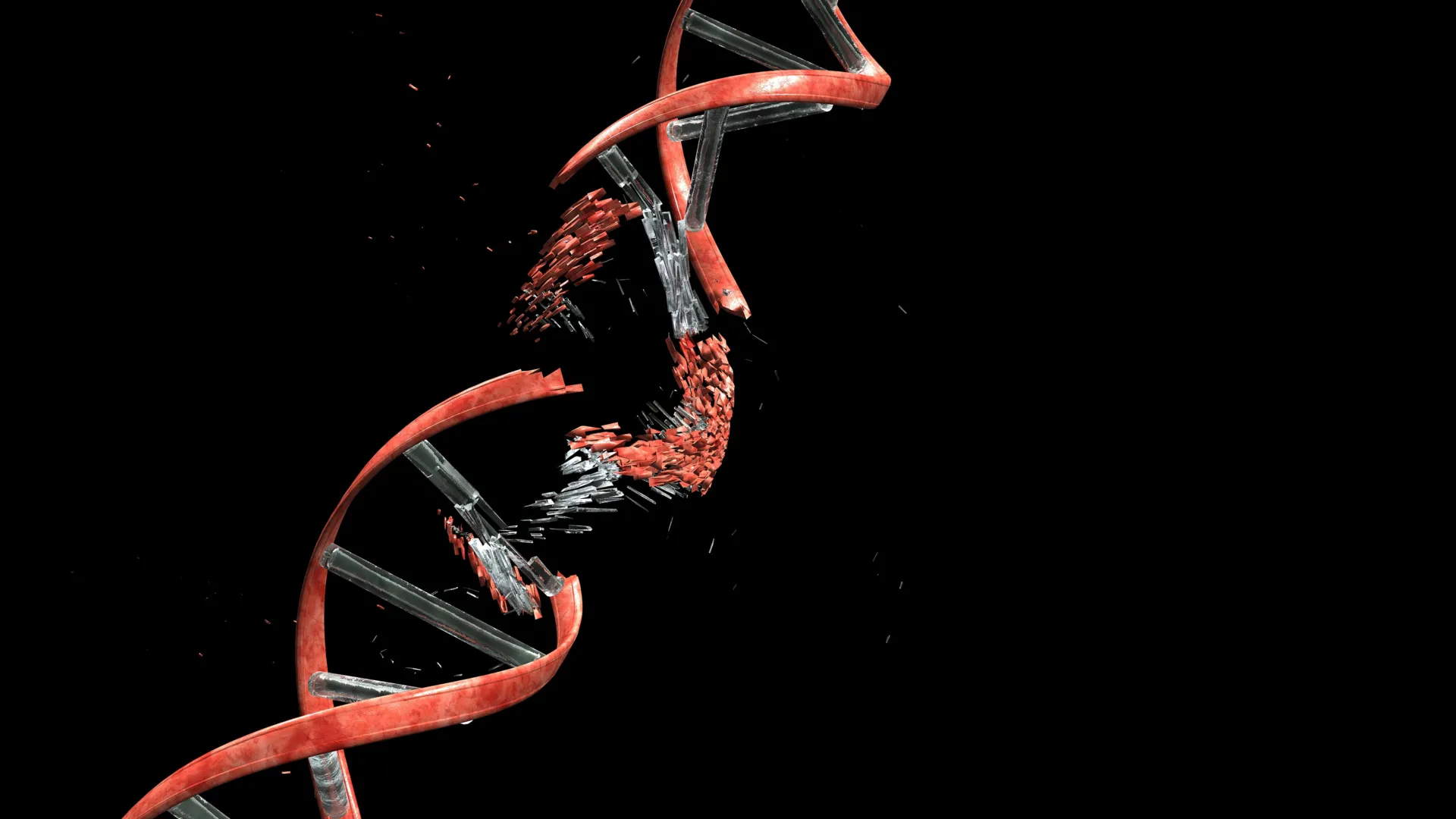
Employing a sophisticated and highly sensitive genome-mapping technique, the research consortium meticulously charted the precise locations of double-strand breaks across the cancer genome. This particular type of DNA damage is considered among the most severe, as it involves the complete severance of both complementary strands of the DNA helix. The distribution of these serious breaks was far from random; instead, they exhibited a distinct clustering pattern, predominantly occurring within genes that were under the direct and forceful regulation of super-enhancers. This observed aggregation strongly suggests that the continuous and intense activation of specific genes imposes such substantial mechanical stress on the DNA molecule that it can ultimately lead to structural failure, or breakage.
Furthermore, the researchers tracked the activity of a natural cellular surveillance mechanism – an "alarm" signal that flags damaged DNA and recruits the cellular machinery responsible for its repair. Their findings consistently demonstrated that cancer cells repeatedly subjected the DNA within these exceptionally active regions to damage, only to then engage in repair processes to mend the breaks.
The ability to repair these DNA lesions is a critical survival mechanism for tumor cells, allowing them to persist and continue their uncontrolled growth. However, each cycle of DNA repair presents an opportunity for the introduction of minor inaccuracies. Over extended periods, these cumulative errors can significantly increase the likelihood that the affected genomic regions will accumulate further, more consequential mutations.
"Cancer cells are fundamentally reliant on super-enhancers to maintain the high-speed operation of their growth-promoting genes," explained Professor Rami Aqeilan. "Our investigation has revealed that this very same high-output activity can impose significant physical strain on the DNA, creating focal points of breakage that the cell is compelled to repair repeatedly. While this continuous repair cycle may contribute to short-term tumor survival, it concurrently elevates the risk of accumulating mutations that can propel the evolutionary trajectory of the cancer."
These findings suggest that genetic instability may not be a mere incidental byproduct of cancerous transformation. In a significant number of cases, it appears to be a direct consequence of the heightened gene activity that tumors require to sustain their relentless expansion. As these mutations accumulate, cancer cells can acquire novel phenotypic characteristics. Some of these acquired traits may confer advantages such as enhanced metastatic potential, increased resilience to adverse cellular environments, or a diminished responsiveness to therapeutic interventions.
"What we find particularly compelling," added Osama Hidmi, the lead author of the study, "is that because cancer cells are so dependent on these high-stress DNA regions for their continued growth, they may simultaneously exhibit heightened vulnerability in these very same areas. This presents a promising avenue for the development of novel therapeutic strategies that specifically target the fundamental processes upon which tumors depend for their survival."
This inherent vulnerability could potentially guide researchers toward innovative therapeutic approaches. Future cancer treatments might be engineered to specifically disrupt the amplified gene activity orchestrated by super-enhancers or to inhibit the tumor cells’ capacity to repair the resulting DNA damage. Given the profound reliance of cancer cells on these molecular processes, interfering with them could significantly compromise the ability of tumors to survive and to continue their evolutionary adaptation.
The intricate interplay between DNA damage and repair plays a profoundly significant role in the pathogenesis of cancer, influencing tumor progression, cellular heterogeneity, and the development of therapeutic resistance. The recent study offers a crucial explanation for the origin and location of a substantial portion of this damage. The most potent gene regulatory regions within cancer genomes appear to be precisely the sites where repeated DNA strain occurs. These identified regions may represent critical Achilles’ heels, particularly susceptible to therapeutic interventions designed to attenuate runaway gene expression or to impede the repair of DNA lesions.
A more profound understanding of this mechanism holds the potential to inform the development of strategies aimed at curtailing a tumor’s adaptive capabilities. By elucidating the direct link between accelerated growth and genomic fragility, this research contributes a vital piece to the complex puzzle of aggressive cancer behavior. Furthermore, these findings raise the intriguing possibility that one of cancer’s most formidable strengths – its relentless drive to proliferate – could ultimately be weaponized against it. The incessant pressure exerted on the tumor’s own genetic material to fuel its expansion generates damage that may unveil novel opportunities for effective therapeutic intervention.
About the Author