The humble Key Lime Pie, a dessert deeply rooted in American culinary tradition, holds a distinguished place on menus across the nation, particularly within establishments that evoke coastal or tropical themes. Far from a simple sweet treat, a truly exceptional Key Lime Pie represents a delicate interplay of distinct flavors and textures, demanding precision in its creation. While numerous chain restaurants feature this iconic dessert, only a select few manage to capture its authentic essence, according to the discerning palates of culinary experts. Identifying these standouts requires a rigorous evaluation of specific characteristics that elevate a pie from merely good to truly remarkable.
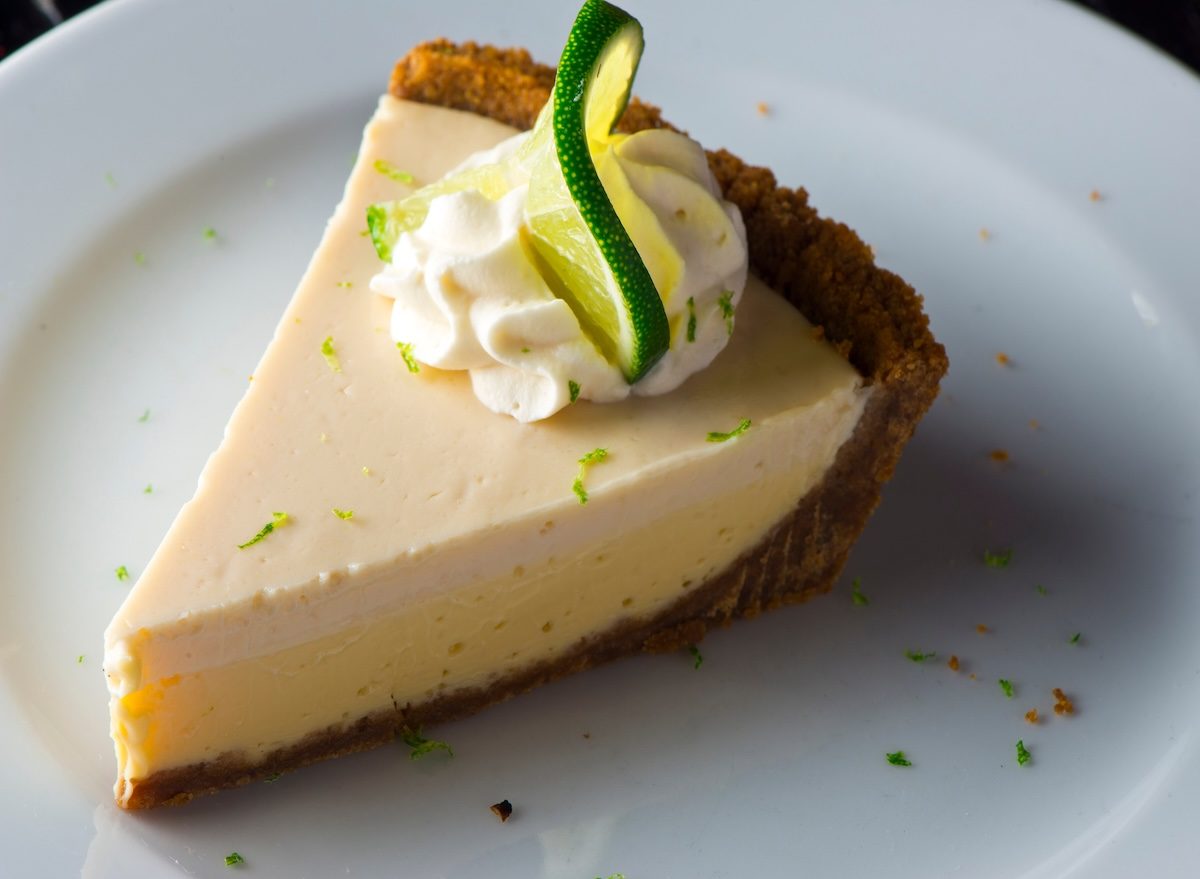
This quintessential dessert’s origins trace back to the Florida Keys in the late 19th century. The small, intensely aromatic, and distinctly tart Key limes, native to the region, are the undisputed star ingredient. Unlike their larger, more common Persian lime counterparts, Key limes deliver a sharper, more floral citrus punch, which is crucial for the pie’s signature flavor profile. Historically, the dessert was often prepared by sponge fishermen and salvagers who didn’t have access to ovens, relying on the natural reaction of acidic lime juice with sweetened condensed milk to thicken the filling—a process known as denaturation. The result was a custard-like texture, typically nestled within a graham cracker crust, and often topped with meringue or a dollop of whipped cream. This rich history underscores the importance of adhering to certain foundational principles, even in a modern, mass-produced setting.
For professional chefs, the journey to a perfect Key Lime Pie is paved with specific benchmarks. Executive Chef Steve Ingber, proprietor of MileHighCook, emphasizes several critical elements that distinguish a superior rendition from a mediocre one. His criteria extend beyond basic taste, delving into the structural integrity, ingredient quality, and presentation of the dessert. Achieving the ideal balance between the vibrant tang of the lime and the creamy sweetness of the filling is paramount. This equilibrium ensures that neither component overwhelms the other, allowing the distinct citrus notes to shine through while being tempered by a comforting sweetness. The texture of the filling is equally vital; it should possess a firm, dense consistency that allows for a clean slice, resisting any tendency towards a loose, unset, or gelatinous custardy state often indicative of inadequate preparation or baking.
The crust, often an overlooked hero, plays a significant supporting role. It must offer a complementary flavor and texture, providing a counterpoint to the creamy filling. Whether it’s a traditional pastry, a buttery graham cracker, or an innovative cookie crumb base, the crust needs to be properly baked to a crisp, golden perfection, imparting toasted notes rather than a raw or sandy mouthfeel. Finally, the serving temperature and accompanying garnishes are critical finishing touches. A Key Lime Pie served too warm can lose its structural integrity and flatten its flavor profile, while a properly chilled, firm slice, adorned with genuine whipped cream, maximizes the sensory experience. These meticulous details, often perfected in artisanal kitchens, become even more challenging to consistently replicate across a broad network of chain restaurants. Yet, some manage to achieve this delicate culinary feat.
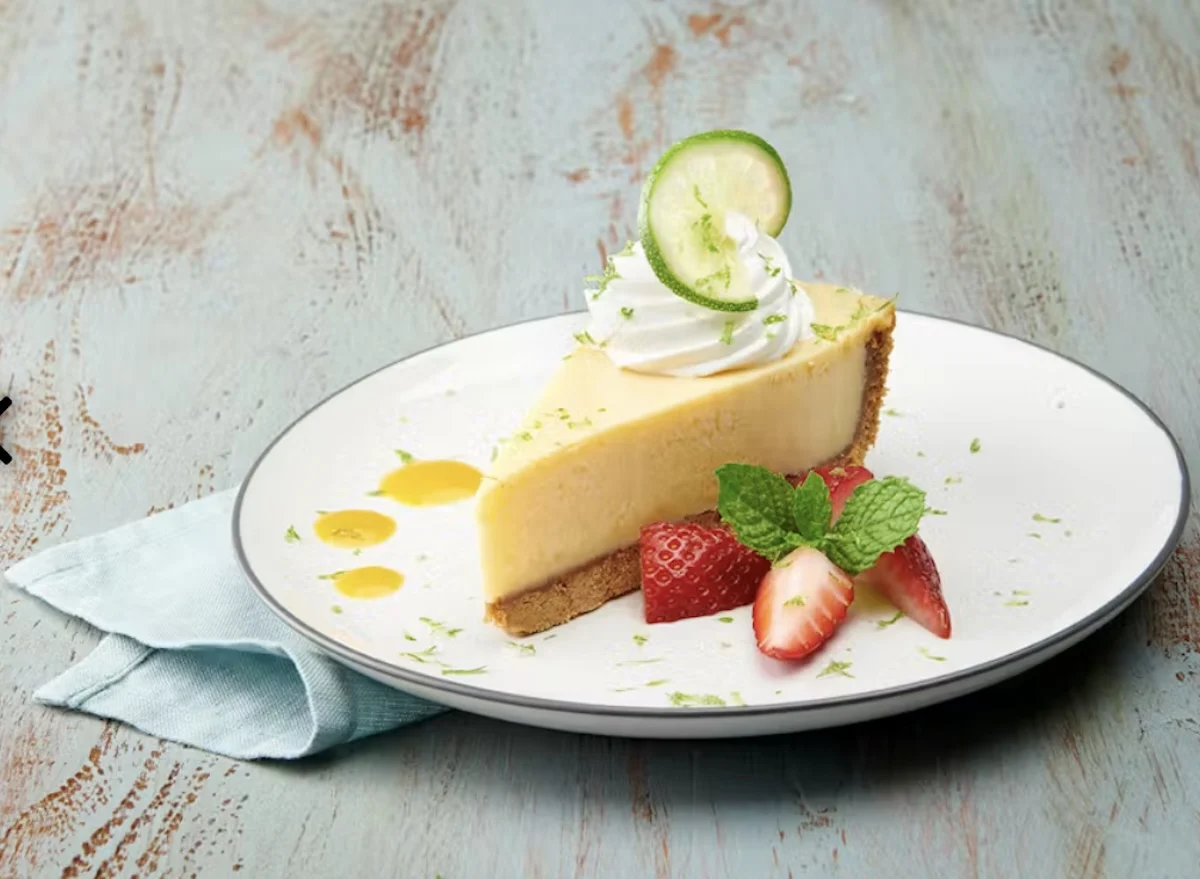
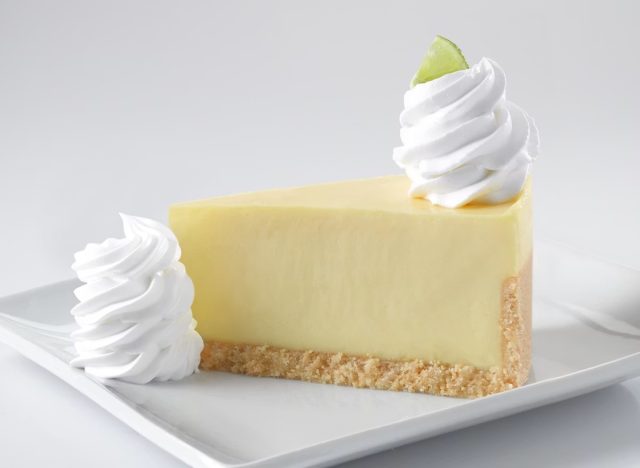
One establishment frequently cited for its exceptional Key Lime offering, despite its primary association with an extensive array of cheesecakes, is The Cheesecake Factory. Chef Ingber points to their Key Lime Cheesecake as a prime example of fundamental execution. He highlights the filling’s exemplary texture: dense and firmly set, allowing for a clean, elegant slice. This characteristic indicates careful adherence to baking standards, avoiding the common pitfall of underbaking to save preparation time, which can result in a runny, unappealing custard. Furthermore, the dessert’s flavor profile strikes the desired balance, presenting a pronounced tartness upfront that gracefully transitions into a subtle sweetness. This "tart first, sweet second" progression is a hallmark of authentic Key Lime Pie, a standard that is surprisingly rare to find consistently maintained across many dining establishments. The Cheesecake Factory’s commitment to dessert quality, even within its vast menu, clearly extends to its interpretation of this classic.
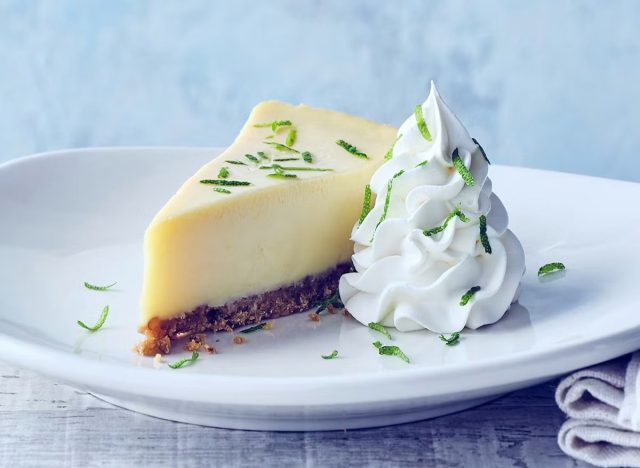
Moving beyond cheesecakes, Bonefish Grill, a popular seafood chain, garners praise for its dedication to the entire Key Lime Pie experience, particularly its crust. Chef Ingber notes that while many establishments falter at this critical juncture, Bonefish Grill excels. Their version features a pecan crust, which is not only unique but also meticulously prepared. The crust is baked for an ample duration, ensuring it achieves a desirable crispness and develops a rich, toasted-butter flavor. This contrasts sharply with less successful crusts that often retain a raw or sandy texture, failing to contribute meaningfully to the overall enjoyment of the dessert. The choice of pecans adds a layer of nutty complexity, harmonizing beautifully with the bright lime filling, demonstrating a thoughtful approach to every component of the dish.
For a more casual, yet equally commendable, Key Lime Pie experience, Joe’s Crab Shack receives accolades. While featuring a cookie crumb crust—a common and well-loved variation—it is the presentation and temperature control that truly set their offering apart. Chef Ingber emphasizes the significant impact of serving temperature on the pie’s overall appeal. Joe’s Crab Shack consistently serves its Key Lime Pie thoroughly chilled and firm, which prevents the filling from loosening and the flavors from becoming muted or flat. This attention to detail ensures that each bite delivers the intended refreshing tang and creamy texture. Additionally, the chain opts for genuine whipped cream as a topping, a choice that further enhances the dessert’s authenticity and rich mouthfeel, distinguishing it from pies adorned with less refined, stabilized toppings.
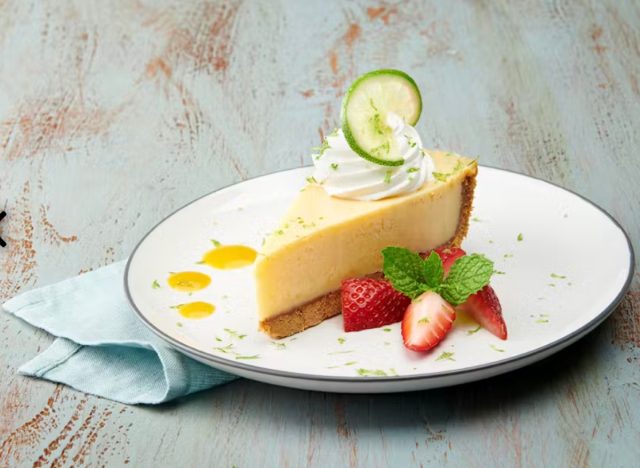
Finally, Bahama Breeze, known for its vibrant Caribbean-inspired cuisine, has long been a destination for Key Lime Pie enthusiasts. Chef Ingber lauded their pie for its impeccable handling of acidity, a crucial element where many competitors stumble. In a culinary landscape where mass-produced desserts often lean heavily towards excessive sweetness, Bahama Breeze consistently delivered a pie that maintained the characteristic, palate-cleansing tartness of Key limes. This commitment to genuine citrus punch meant that the initial bite would "tighten your jaw" in a delightful way, a clear indication that the lime’s natural zest had not been diluted or masked by an overabundance of sugar, preventing it from tasting like mere "lime frosting." Regrettably, this acclaimed dessert may soon become a fond memory for many, as Bahama Breeze is reportedly in the process of ceasing operations. This news lends a sense of urgency for fans to savor their beloved Key Lime Pie before it becomes unavailable.
In conclusion, the pursuit of the perfect Key Lime Pie, even within the expansive realm of chain restaurants, reveals that meticulous attention to detail, adherence to fundamental culinary principles, and an understanding of the dessert’s historical context are paramount. From the precise balance of tartness and sweetness to the structural integrity of the filling, the complementary nature of the crust, and the crucial role of serving temperature and garnishes, each element contributes to an outstanding experience. The evaluations from culinary professionals like Chef Steve Ingber provide valuable insight for consumers seeking truly authentic and well-executed versions of this beloved American classic, proving that exceptional quality can indeed be found beyond independent eateries. As one notable purveyor prepares to close its doors, the opportunity to indulge in these highly-rated creations becomes even more pressing.
About the Author