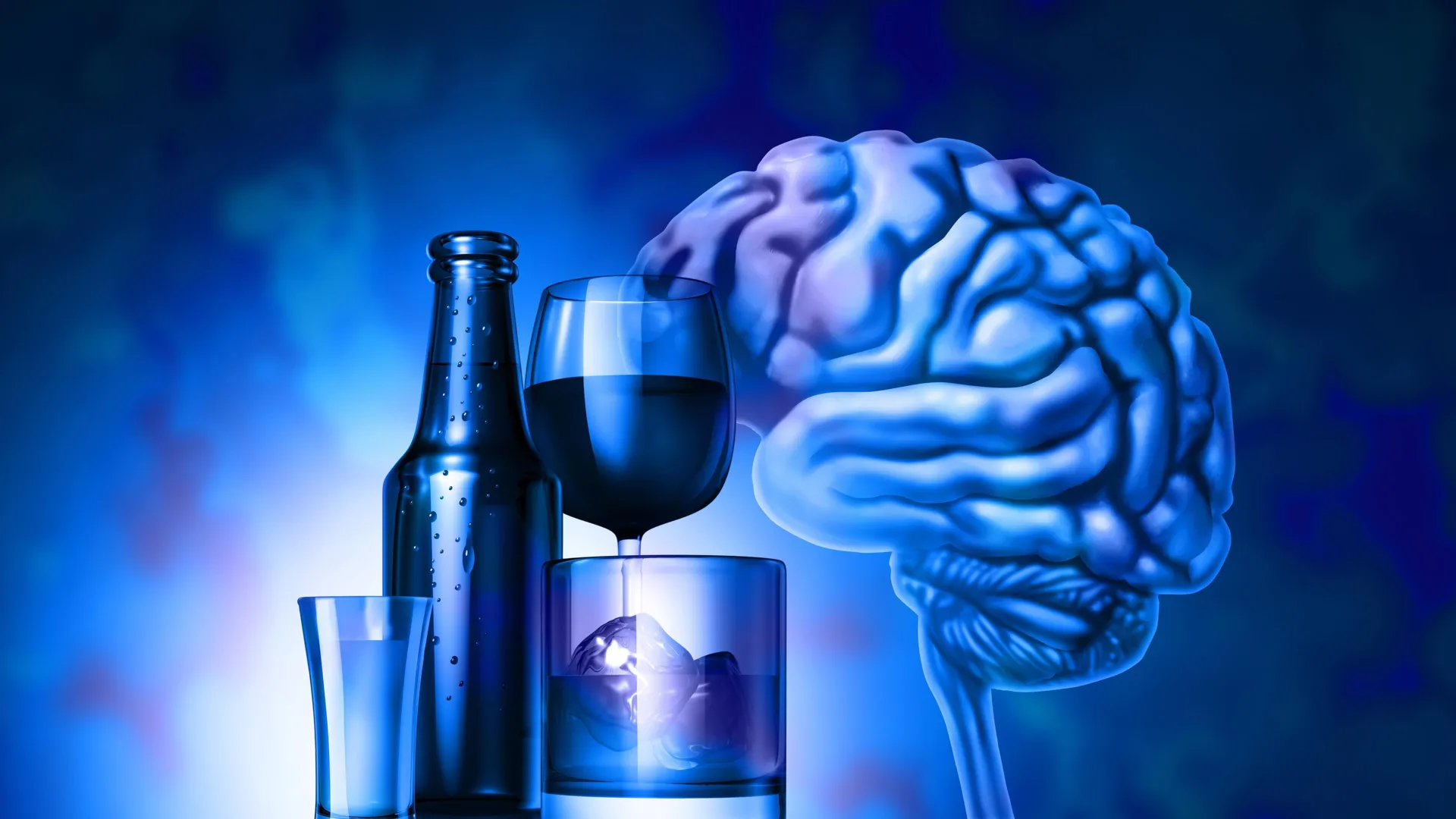
A comprehensive investigation conducted by researchers at the University of Massachusetts Amherst has unveiled compelling evidence suggesting that the utilization of alcoholic beverages as a coping mechanism for stress during the formative years of early adulthood can instigate profound and enduring modifications within the brain’s intricate architecture. These neurological imprints, the study indicates, may not readily recede even after extended periods of abstaining from alcohol consumption, potentially manifesting by middle age and contributing to a diminished capacity for mental adaptability, an amplified propensity to revert to alcohol use when confronted with stressful circumstances, and patterns of cognitive deterioration historically linked to neurodegenerative conditions such as dementia and Alzheimer’s disease.
The groundbreaking findings, formally documented and disseminated within the esteemed scientific journal Alcohol Clinical and Experimental Research, offer a novel perspective on the synergistic interplay between alcohol and stress in reshaping neural pathways. The scientific team posits that a more granular understanding of these mechanisms could pave the way for the development of more effective therapeutic interventions, shifting the focus from merely cessation of drinking to actively addressing the long-term neurological sequelae of alcohol engagement.
The intricate feedback loop between stress and alcohol consumption has long been a subject of scientific inquiry, with established recognition that these two factors can mutually reinforce each other. While alcohol may provide transient solace from the pressures of stress, chronic and repeated exposure can gradually erode the brain’s innate resilience and its inherent capacity to self-regulate and manage stressors. This progressive weakening can, over time, foster a dependency, compelling individuals to increasingly rely on alcohol, often in escalating quantities, to achieve the same perceived level of relief. Concurrently, heightened alcohol consumption can itself become a significant stressor, precipitating a cascade of adverse consequences stemming from impaired judgment and the resulting repercussions. This creates a formidable cycle, progressively more challenging to dismantle as the brain adapts to the persistent dual assault of stress and alcohol. The researchers were driven by a desire to elucidate the long-term ramifications of this adaptive process.
Elena Vazey, an associate professor of biology at UMass Amherst and the senior author of the study, articulated the core of their research endeavor: "My lab is dedicated to exploring the neurocircuitry that underpins our decision-making processes. We are all aware that alcohol consumption can frequently lead to suboptimal choices, but our central question revolved around how the combination of alcohol use and stress experienced during early adulthood impacts this circuitry, particularly as individuals advance in age. By deciphering the precise ways in which alcohol and stress collaboratively alter the brain’s neural architecture, we can contribute significantly to identifying the most efficacious strategies for supporting individuals grappling with these challenges."
Supported by crucial funding from the National Institute on Alcohol Abuse and Alcoholism (NIAAA), Professor Vazey and her dedicated research team opted to utilize rodent models, specifically mice, owing to the considerable parallels between their brain circuitry and that of humans. Their experimental outcomes unequivocally demonstrated that the confluence of alcohol and stress exerted a far more pronounced and detrimental impact on the brain than either factor independently.
The investigation revealed that the adoption of heavy alcohol consumption as a coping mechanism during early adulthood significantly augmented the probability that these animals, upon reaching middle age and experiencing stress, would gravitate back towards alcohol consumption. This phenomenon persisted even after substantial durations of complete abstinence, strongly implying that the synergistic effect of alcohol and stress can induce enduring neural alterations that extend well beyond the period of active drinking. Intriguingly, the study observed minimal divergences in learning capabilities between middle-aged mice with a history of stress-related drinking and their counterparts who engaged in lighter alcohol consumption. The most salient distinction emerged in the domain of cognitive flexibility – the crucial ability to fluidly adapt to evolving circumstances and formulate new decisions when environmental conditions shift.
"Middle age is a critical juncture where life’s accumulated challenges can begin to manifest more prominently," Professor Vazey remarked. "We are cognizant that alcohol consumption represents a known risk factor for premature cognitive decline, and our findings underscore that this particular combination of alcohol and stress engenders a deficit in adapting to changing situations, a hallmark often observed in the nascent stages of dementia."
To meticulously unravel the underlying mechanisms responsible for these protracted neurological consequences, the researchers directed their attention to a minuscule yet pivotal region within the brainstem known as the locus coeruleus (LC). This anatomical structure plays an indispensable role in facilitating adaptive decision-making processes in both mice and humans. Under conditions of healthy brain function, the LC exhibits heightened activity in response to stressful stimuli, subsequently returning to its baseline state once the stressor has abated. However, in the mice subjected to the dual burden of alcohol and chronic stress, a significant disruption was observed: the LC appeared to have lost crucial molecular components that normally facilitate its deactivation. Consequently, this critical brain region remained in a state of persistent disruption, thereby compromising its capacity to guide effective and rational decision-making.
Furthermore, the research team identified elevated concentrations of oxidative stress within the LC. This form of cellular damage is a frequently observed pathological feature in the brains of individuals diagnosed with Alzheimer’s disease and possesses the capacity to inflict harm upon cells throughout the entire organism. Even following extended periods of abstinence, the brains of middle-aged mice that had previously engaged in heavy drinking exhibited scant evidence of recovery from this damage.
"The brain encounters considerable difficulty in recuperating from a history of chronic stress and alcohol consumption during early adulthood," Professor Vazey emphasized. "We hypothesize that the oxidative damage may constitute one of the pivotal factors perpetuating the cycle of heavy drinking, potentially leading individuals to relapse even after prolonged periods of sobriety. It is these persistent alterations in neural function that not only impair decision-making but also contribute to the characteristic early cognitive decline associated with dementia and Alzheimer’s disease. The brain’s intricate wiring system sustains damage, implying that the cessation of drinking or the adoption of improved decision-making habits are not solely matters of willpower. Following a history of stress and alcohol engagement, the brain fundamentally operates differently, necessitating treatment strategies that are equipped to address these enduring neurobiological discrepancies."
About the Author