Macaroni and cheese stands as an undisputed icon of comfort cuisine, a dish deeply embedded in the culinary fabric of many cultures. Its appeal stems from a harmonious blend of tender pasta enveloped in a rich, creamy cheese sauce, evoking a sense of nostalgia and warmth. While traditionally a labor of love prepared in home kitchens, the convenience economy has driven numerous quick-service restaurants to incorporate their own interpretations of this beloved classic onto their menus. However, replicating the intricate balance of flavors and textures characteristic of a well-executed homemade macaroni and cheese within the constraints of fast-food operations presents a unique set of challenges. This comprehensive evaluation delves into the landscape of quick-service macaroni and cheese, meticulously assessing five prominent chain offerings to discern which establishments successfully deliver a genuinely satisfying rendition and which fall short of consumer expectations.
Our analytical framework for this assessment encompassed several critical dimensions: visual presentation, the structural integrity and chew of the pasta, the consistency and flavor profile of the cheese sauce, and the overall textural harmony of the dish. Each criterion contributes significantly to the holistic experience of macaroni and cheese, from the moment it is served to the final bite. The objective was not merely to identify a "best" option but to provide a detailed qualitative analysis, offering consumers a clearer understanding of what to expect from these convenient comfort food choices.
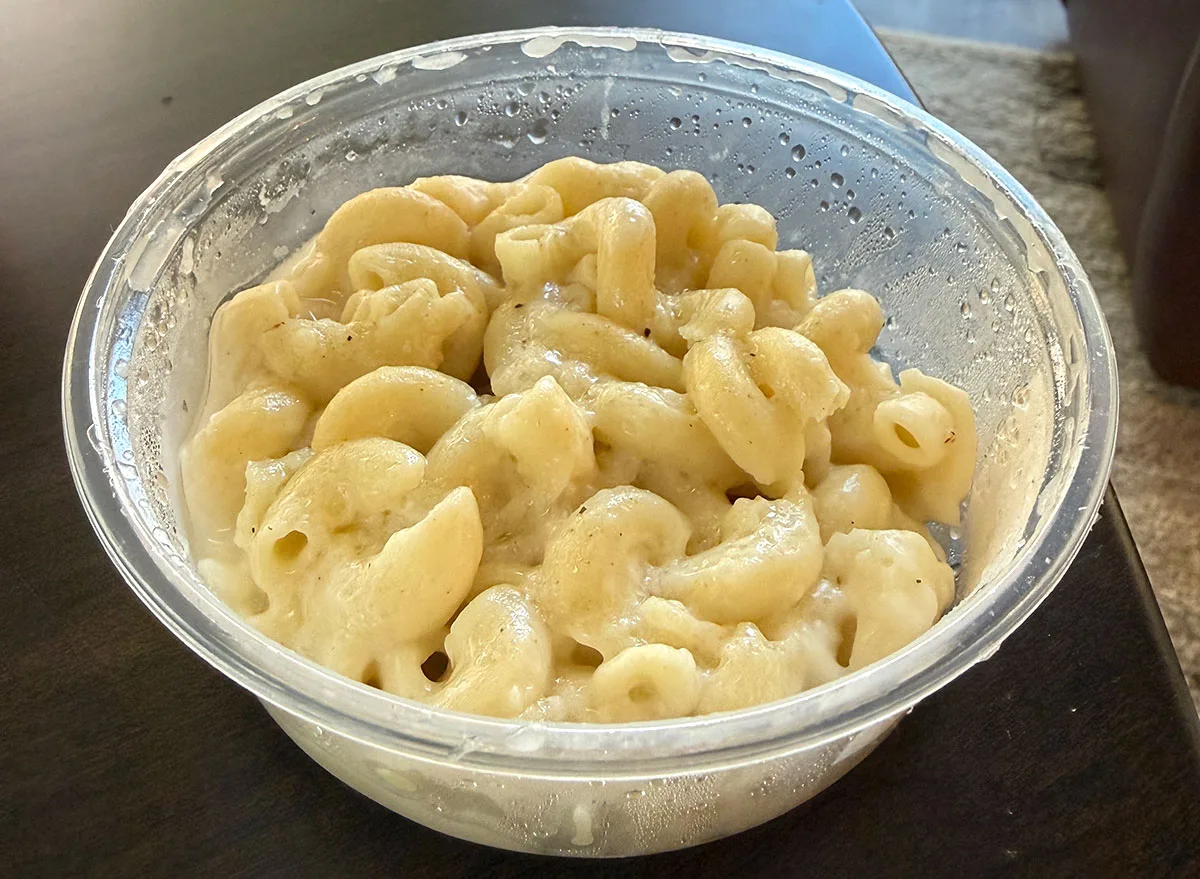
At the lower end of our culinary spectrum, Friendly’s Mac and Cheese presented a rather disheartening experience, ranking as the least appealing option among those sampled. From an initial visual inspection, the dish struggled to inspire confidence. The pasta appeared visibly overcooked, lacking any discernible structure, and the accompanying cheese sauce exhibited a somewhat grainy, rather than smooth, consistency. This initial impression unfortunately foreshadowed the subsequent tasting experience. The flavor profile was notably bland, almost entirely devoid of the characteristic cheesiness one anticipates from this dish. Furthermore, the textural interplay was particularly unpalatable; a thin, flavorless moisture seemed to cling to the overly soft, fragmented noodles, creating a disconcerting mouthfeel that lacked creaminess or richness. Friendly’s, a chain known for other menu items, appears to significantly miss the mark with this particular side offering, failing to capture the essence of what makes macaroni and cheese so universally cherished. The calorie count for this serving was approximately 330, a considerable figure for a dish that delivered such minimal gastronomic satisfaction.
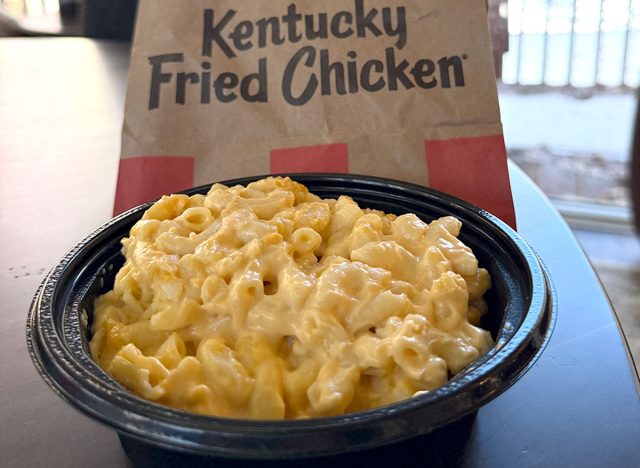
Progressing slightly, but still situated towards the bottom of the contenders, was KFC’s Mac and Cheese. While it demonstrated a marginal improvement over Friendly’s, it still grappled with fundamental issues in both texture and flavor. The visual assessment revealed pasta that, while not as severely deteriorated as Friendly’s, still leaned towards being excessively soft and yielding. The individual pasta pieces lacked the desired resilience, tending to clump together rather than maintaining their distinct shapes. This suggested an extended cooking time or holding process that compromised the pasta’s integrity. Upon tasting, the cheese sauce, while present, registered as distinctly processed. It evoked the familiar, somewhat artificial flavor profile commonly associated with certain prepared cheese products, lacking the complex, authentic dairy notes of a quality cheese blend. The overall texture was passable but failed to impress, primarily due to the overly tender noodles that contributed to a somewhat mushy mouthfeel. Despite these shortcomings, KFC’s offering did manage to provide a modicum of flavor, setting it apart from the utter blandness of Friendly’s, but it remained far from an ideal representation of the dish. Depending on the portion size, the caloric content ranged from approximately 140 to 540.
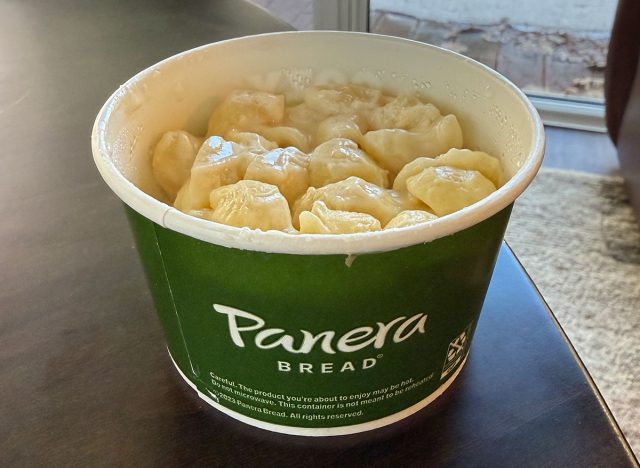
Moving into the middle tier, Panera’s Mac and Cheese offered a noticeable uplift in quality, distinguishing itself primarily through its choice of pasta and a more refined cheese flavor. Immediately, the visual aspect presented a departure from the conventional elbow macaroni, opting instead for shell-shaped noodles. This design proved to be a practical advantage, as the shells effectively cradled and retained the cheese sauce, ensuring a more integrated bite. Crucially, the pasta in Panera’s rendition maintained its structural integrity, displaying an appealing chewiness that suggested proper cooking and handling, a significant improvement over the softer textures encountered in the previous two offerings. On the palate, the cheese sauce delivered a pleasant, subtle sharpness that added depth and character, steering clear of the artificiality observed elsewhere. This suggested a more thoughtful blend of cheeses, contributing to a more mature and satisfying flavor profile. The combination of well-cooked pasta and a commendably flavored sauce positioned Panera’s mac and cheese as a solid and enjoyable option for those seeking a quick, comforting side. However, it is worth noting the significant caloric contribution of this dish, estimated at approximately 960 calories, which places it among the more indulgent choices.
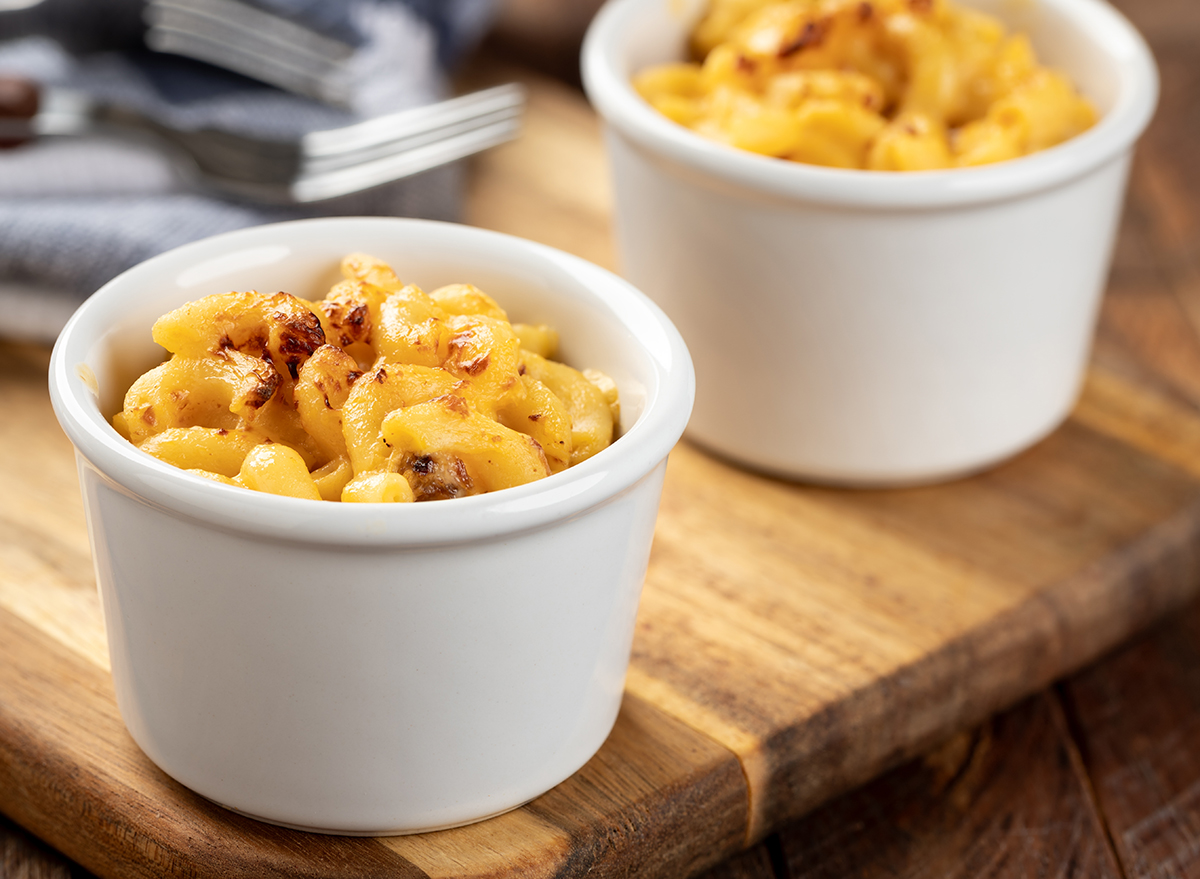
Nearing the apex of our evaluation, Chick-fil-A’s Mac and Cheese emerged as a strong contender, demonstrating several exceptional qualities that set it apart. Visually, the dish immediately captured attention, not just for its rich, golden hue, but for the innovative addition of crispy, baked cheese bits on top. This distinctive element, often considered the coveted prize in homemade baked macaroni and cheese, introduced a textural contrast and an intensified flavor dimension that was absent in all other fast-food offerings. These caramelized cheese fragments not only enhanced the visual appeal but also contributed a delightful crunch and an amplified savory depth, reminiscent of a toasted cheese cracker. From a taste perspective, Chick-fil-A’s version delivered a robust and authentic cheddar flavor that tasted genuinely like real cheese, a significant departure from the more processed or muted profiles found in lesser contenders. The sharpness of the cheddar was pronounced yet balanced, providing a satisfying richness without being overwhelming. The pasta was cooked to a commendable tenderness, and the sauce clung effectively, creating a cohesive and flavorful experience. The inclusion of the crispy topping was a masterstroke, elevating the dish beyond a mere side to a more thoughtfully constructed culinary item. With an approximate calorie count of 450, it offers a substantial and highly enjoyable experience.
Ultimately, claiming the top spot in our comprehensive assessment was Popeyes Mac and Cheese, which, despite a somewhat understated visual presentation, proved to be the undisputed champion in terms of flavor and texture. While its appearance might not have immediately suggested its superior quality, the initial bite unequivocally declared its excellence. The cheese sauce was remarkably creamy, possessing a luxurious density and a richness that truly enveloped the palate. The flavor profile was robust and assertive, characterized by a well-balanced, sharp cheesiness. While perhaps not as overtly sharp as Chick-fil-A’s distinct cheddar, Popeyes’ blend offered a more complex and harmonious taste, drawing comparisons to the nuanced, savory depth of pimento cheese. This suggests a sophisticated combination of dairy components, yielding a more profound and satisfying cheesy essence. The pasta was perfectly cooked, tender yet retaining a pleasant bite, providing an ideal textural foundation for the sumptuous sauce. The overall mouthfeel was exceptionally smooth and decadent, with the sauce clinging beautifully to each noodle. In a direct comparison with Chick-fil-A, Popeyes edged ahead due to its superior creaminess and a more profoundly integrated, balanced flavor that felt both gourmet and comforting. It represents a truly exceptional offering within the fast-food landscape, delivering a rich and satisfying experience that genuinely resonates with the ideal of a classic macaroni and cheese. The caloric content varies with size, ranging from approximately 300 to 900 calories.
In conclusion, the journey through the quick-service macaroni and cheese landscape reveals a broad spectrum of quality, illustrating the varying degrees of success chains achieve in adapting this beloved comfort food for mass production. While some offerings unfortunately miss the fundamental marks of flavor and texture, others demonstrate a commendable commitment to delivering a truly satisfying product. The analysis highlights that elements such as authentic cheese flavor, properly cooked pasta, and a rich, creamy sauce are paramount. Furthermore, innovative additions, like the crispy bits from Chick-fil-A or the unique cheese blend from Popeyes, can significantly elevate a dish. For consumers seeking a convenient yet genuinely comforting macaroni and cheese experience, these insights provide a valuable guide, underscoring that even in the realm of fast food, discerning choices can lead to delightful culinary discoveries. The enduring popularity of macaroni and cheese ensures that the quest for its perfect quick-service iteration will continue, driving chains to refine and enhance their offerings in pursuit of this ultimate comfort food standard.
About the Author