A groundbreaking study originating from Michigan Medicine has unveiled an experimental therapeutic compound capable of reversing severe manifestations of fatty liver disease in animal models by targeting and repairing the intricate gut barrier. These significant findings, detailed in The Journal of Clinical Investigation, point towards a novel and highly promising therapeutic avenue for metabolic dysfunction-associated steatohepatitis (MASH), a progressive and often debilitating form of liver disease. The research posits that by addressing the integrity of the gastrointestinal system and its critical interplay with hepatic function, scientists may unlock more effective strategies against a condition that currently offers limited treatment options.
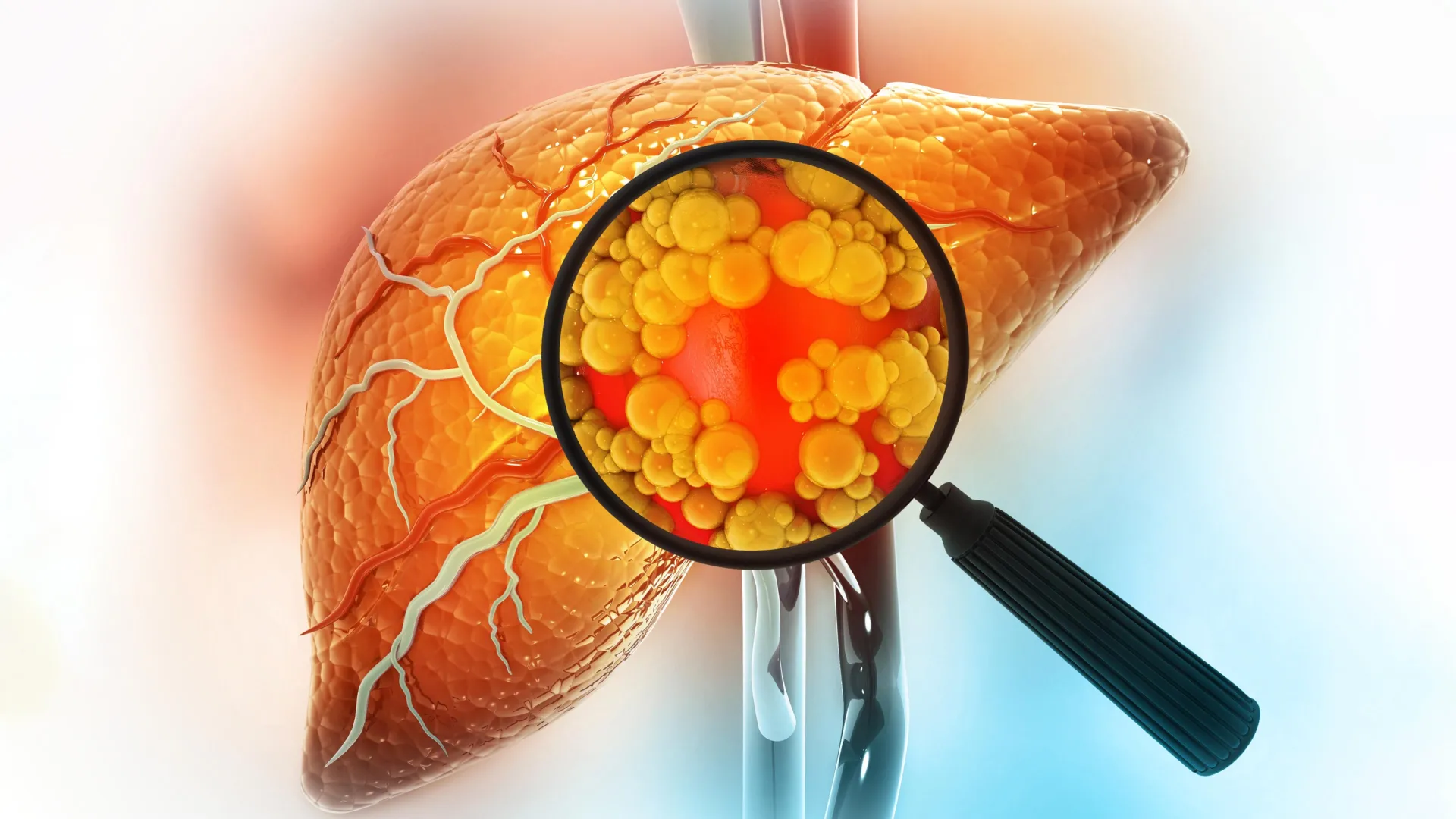
Metabolic Dysfunction-Associated Steatohepatitis, formerly known as nonalcoholic steatohepatitis (NASH), represents a serious escalation of metabolic dysfunction-associated fatty liver disease (MAFLD). Affecting approximately 7% of the global population, MASH is characterized by significant fat accumulation in the liver, accompanied by inflammation and liver cell damage. Unlike simple fatty liver, MASH carries a substantial risk of progressing to more severe conditions, including fibrosis, cirrhosis, liver cancer (hepatocellular carcinoma), and ultimately, end-stage liver failure, necessitating liver transplantation. The absence of approved pharmacological interventions specifically for MASH underscores the urgent need for innovative therapeutic approaches, making the emergence of compounds like DT-109 particularly noteworthy.
The investigational agent, designated DT-109, is characterized as a glycine-based tripeptide. This specific molecular structure appears to be central to its therapeutic efficacy. Researchers observed that DT-109 successfully reversed the pathology of MASH in various animal models by interrupting a detrimental biological cascade that intricately links the health of the gut with the liver’s well-being. Dr. Eugene Chen, a senior author of the study and the Frederick G. L. Huetwell Professor of Cardiovascular Medicine at the University of Michigan Medical School, emphasized the compelling evidence gathered. "Our investigations clearly demonstrate that DT-109 confers protection upon the gut epithelial barrier," Dr. Chen explained, highlighting the compound’s capacity to diminish the systemic translocation of deleterious microbial byproducts. These substances are widely recognized for their pivotal role in both the initiation and progression of MASH. He further articulated the broad potential, stating, "This compound exhibits beneficial effects within the gastrointestinal system and holds considerable promise as a therapeutic agent for MASH."
Earlier research emanating from Dr. Chen’s laboratory had previously hinted at DT-109’s potential to ameliorate MASH in animal subjects. The latest publication delves deeper, providing a comprehensive mechanistic explanation for these observed advantages. The team systematically identified a critical instigator in the disease’s pathogenesis: an excessive proliferation of the bacterium Clostridium perfringens within the intestinal lumen. This bacterial overgrowth leads to an elevated production of ammonia, a metabolite known to have detrimental effects on cellular structures.
Elevated concentrations of ammonia inflict damage upon the delicate lining of the digestive tract, thereby compromising the integrity of the intestinal barrier. This barrier, composed of a single layer of epithelial cells interconnected by tight junctions, serves as a crucial defensive wall, preventing the uncontrolled passage of harmful substances from the gut into the systemic circulation. Once this protective barrier is compromised, a phenomenon often referred to as "leaky gut," a cascade of pathological events is initiated. Harmful microbial products, including bacterial toxins and metabolic byproducts, gain access to the bloodstream. These substances then travel through the portal vein directly to the liver, where they trigger robust inflammatory and immune responses. A key aspect of this response, as identified by the researchers, is the excessive activation of CD8+ T cells, a type of immune cell that can contribute to liver damage when overstimulated. The experimental series conducted by the team unequivocally demonstrated that DT-109 effectively disrupted this entire sequence of pathogenic events, thereby contributing to the restoration of health in both the gastrointestinal system and the liver.
The impact of DT-109 was evaluated across distinct animal models, yielding particularly encouraging outcomes. In both murine (mouse) and nonhuman primate subjects, the administration of DT-109 led to a measurable reduction in the population of Clostridium perfringens within the intestines. Concurrently, a significant decrease in ammonia production was observed. The direct consequence of these microbial modulations was a demonstrable strengthening of the intestinal barrier. This enhanced integrity effectively curtailed the systemic migration of noxious substances from the gut lumen into the broader physiological environment. The results obtained from nonhuman primates were deemed especially significant due to their physiological resemblance to humans. The liver biology and the complexity of the gut microbiota in these primates more closely mirror those found in humans, lending substantial translational weight to the findings. In these advanced models, DT-109 not only attenuated liver inflammation but also markedly improved the overall severity of MASH.
Dr. Jifeng Zhang, a co-author and research professor of cardiovascular medicine at the University of Michigan Medical School, underscored the multifaceted action of the compound. "DT-109 establishes a critical link between modulating the microbiota and safeguarding liver health," Dr. Zhang stated. He further elaborated that this is achieved through the restoration of intestinal barrier integrity, which in turn limits the systemic translocation of ammonia and other pro-inflammatory microbial products along the intricate gut-liver axis. Dr. Zhang also highlighted a broader implication: "While DT-109 primarily exerts its effects within the gastrointestinal tract, its therapeutic influence extends far beyond."
Indeed, the researchers postulate that the therapeutic utility of DT-109 may transcend the treatment of fatty liver disease. Prior investigations have already indicated that the compound possesses the capacity to diminish the formation of atherosclerotic plaques and impede vascular calcification in nonhuman primates. These observations suggest a compelling potential for DT-109 as a therapeutic agent for various cardiovascular diseases, conditions often comorbid with metabolic disorders like MASH. The systemic nature of inflammation originating from a compromised gut barrier is increasingly recognized as a contributing factor to numerous chronic diseases.
Furthermore, the breakdown of the intestinal barrier has been implicated in the pathogenesis of several digestive disorders, including inflammatory bowel disease (IBD). Given DT-109’s demonstrated efficacy in fortifying gut integrity, the research team envisions future exploration of its potential as a treatment for conditions such as Crohn’s disease and ulcerative colitis, where gut barrier dysfunction plays a pivotal role. This expansive potential highlights the fundamental importance of maintaining a robust intestinal barrier for overall systemic health.
The immediate focus for this promising compound will involve conducting further rigorous testing necessary to pave the way for its progression into human clinical trials. These subsequent phases of research will meticulously evaluate DT-109’s safety profile and confirm its effectiveness in human subjects, a critical step in translating preclinical successes into tangible patient benefits.
Dr. Elliot Tapper, Academic Director of Hepatology at Michigan Medicine, expressed profound optimism regarding the study’s implications. "This research not only provides novel insights into the underlying mechanisms of MASH pathogenesis but also generates considerable enthusiasm for exploring a new therapeutic pathway for a condition that has historically proven challenging to manage," Dr. Tapper remarked. He emphasized the pressing clinical need: "Patients afflicted with MASH urgently require a safe and efficacious therapy capable of improving both their liver and cardiac health – naturally, we are incredibly encouraged by these developments."
The study involved a collaborative effort, with additional authors including Dr. Yang Zhao, Ying Zhao, M.S., and Dr. Yanhong Guo, all affiliated with the University of Michigan, alongside other co-authors detailed in the published article. The intellectual property surrounding DT-109 is protected, with several key researchers, including Ying Zhao, Oren Rom, Jifeng Zhang, and Y. Eugene Chen, listed as inventors on a patent application covering tripeptides for the treatment of metabolic, cardiovascular, and inflammatory disorders. Dr. Chen is specifically recognized as an inventor of DT-109. The University of Michigan holds the patent for the compound and has licensed its development to Diapin Therapeutics. Both Dr. Chen and the university maintain an ownership interest in Diapin Therapeutics, which supplied DT-109 for the study and is actively pursuing its continued development. The research adhered to stringent ethical guidelines, with all human and animal protocols receiving prior approval from relevant Institutional Review Boards and Animal Care and Use Committees.
About the Author