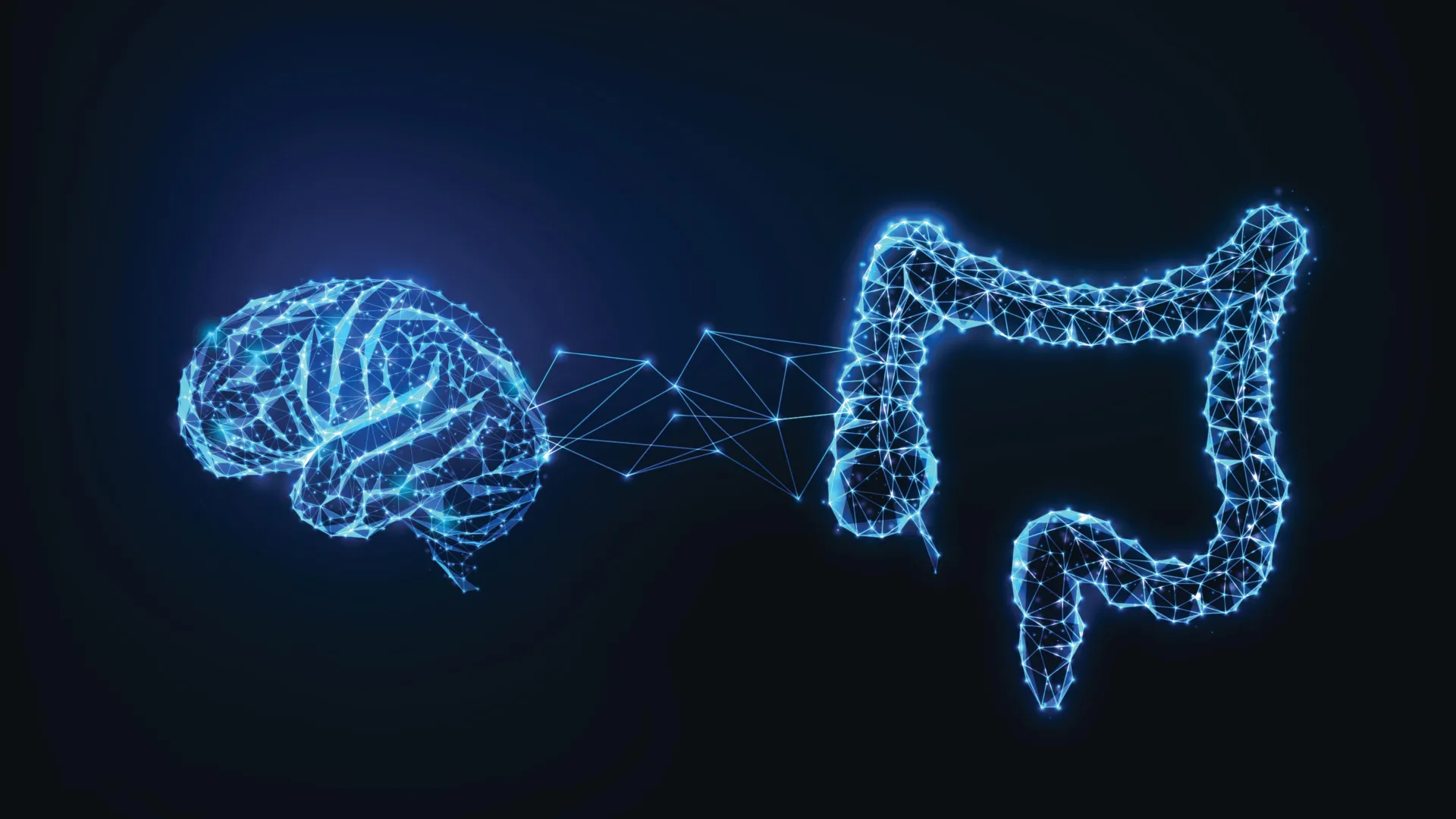
New scientific inquiry illuminates a profound connection between our digestive tract and the intricate processes of memory formation, suggesting that signals originating from the gut play a pivotal role in determining which experiences become etched into our minds, particularly those involving sustenance. This groundbreaking research, spearheaded by Professor Scott Kanoski and his team at the University of Southern California’s Dornsife College of Letters, Arts and Sciences, indicates that the gastrointestinal system is not merely a conduit for nutrients but an active participant in the cognitive landscape, influencing what we recall and how vividly. The findings, detailed in the esteemed journal Nature Communications, delve into the intricate communication network that links the gut to the brain, specifically focusing on the vagus nerve.
The vagus nerve, a principal cranial nerve, serves as a critical bidirectional highway, transmitting information between the digestive organs and the central nervous system. While its established roles in regulating digestion, appetite, and satiety are well-documented, this latest research posits an expanded function: its capacity to carry signals that directly contribute to the brain’s ability to consolidate memories. This intricate dialogue between the gut and the brain offers a compelling new perspective on how we learn and remember, moving beyond the brain as a solitary memory architect.
Central to these discoveries are experiments conducted with laboratory rats, which revealed a fascinating cascade of events triggered by nutrient-rich food consumption. The ingestion of beneficial foods led to an augmented release of acetylcholine, a vital neurotransmitter, within neurons connected to the hippocampus. The hippocampus, a region of the brain renowned for its indispensable role in learning and memory formation, appears to be a primary beneficiary of these gut-derived signals. Acetylcholine’s known function in encoding new information and solidifying memories suggests that its surge, prompted by gut activity, is a direct mechanism for enhancing memory consolidation.
To further elucidate this connection, researchers experimentally disrupted the communication pathway along the vagus nerve. The consequences were immediate and significant: the elevation of acetylcholine levels post-ingestion was abolished, and the rats demonstrated a marked deficit in their ability to recall the locations of recently discovered food sources. This crucial finding underscores the necessity of intact vagus nerve signaling for the effective translation of food experiences into lasting memories. The brain, it seems, relies on these gut-initiated messages to prioritize and store information relevant to obtaining essential resources.
Intriguingly, the study’s findings indicate that the brain’s memory apparatus responds more acutely to the actual nutritional value of food rather than its mere sensory appeal, such as sweetness. Rats that consumed foods rich in fats and sugars exhibited robust activity within brain pathways associated with memory. In contrast, those provided with low-calorie or non-caloric, yet sweet-tasting, liquids did not elicit the same pronounced memory-related neural responses. This distinction suggests a sophisticated biological mechanism that differentiates between fleeting gustatory pleasure and substantive nutritional gain.
Logan Lauer, the lead author of the study and a doctoral candidate in Professor Kanoski’s laboratory, posits that this system likely evolved to equip animals with the capacity to remember critical details about food sources. The ability to recall the precise location and timing of nutrient-rich food availability, for instance, could be a matter of survival. The signals emanating from the gut act as an internal prompt, informing the brain, "This particular meal was highly beneficial; therefore, it is imperative to remember its origin and the method of acquisition." This internal messaging system ensures that valuable lessons learned from foraging and consumption are not lost.
For organisms navigating the complexities of the natural world, the ability to remember the whereabouts of dependable food supplies is paramount for survival. A meal that provides substantial energy or vital nutrients can thus trigger a potent signal from the gut, encouraging the brain to meticulously store information about its discovery and procurement. This intricate biological feedback loop could explain why certain food-related experiences become particularly salient and memorable, highlighting the body’s innate inclination to assign greater importance to meals that deliver essential energy and nutrients.
However, the research also uncovers a potentially detrimental aspect concerning modern dietary habits. While nutrient-dense foods initially foster strong short-term memory responses, chronic overexposure to unhealthy options appears to have a cumulative negative effect. Rats subjected to diets high in fat and sugar during their early developmental stages exhibited a weakened communication link between their gut and hippocampus in later life. This impairment in gut-brain signaling persisted, leading to reduced memory-related brain activity even after a transition to a healthier diet. Furthermore, these animals performed significantly worse on tasks requiring them to recall food locations, suggesting that sustained consumption of processed, unhealthy foods can actively interfere with the very gut-to-brain system that initially facilitates the recording of food-related memories.
These revelations carry significant implications for human health, particularly in light of established links between obesity, poor nutritional status, and metabolic disorders such as diabetes, and an increased risk of cognitive decline. This study offers a compelling biological rationale for these associations, proposing that repeated exposure to detrimental dietary components can progressively degrade or disrupt the vital communication between the gut and the brain, thereby compromising the memory system’s optimal functioning. The findings may also provide valuable insights into the mechanisms underlying neurodegenerative diseases.
Professor Kanoski notes that disruptions in acetylcholine signaling within the hippocampus are recognized as one of the earliest neurochemical alterations observed in Alzheimer’s disease. By demonstrating that this critical signaling pathway is amplified by signals from the gut via the vagus nerve, this research opens avenues for novel therapeutic strategies. Future interventions could potentially leverage this newfound understanding by exploring vagus nerve-based approaches, such as direct vagus nerve stimulation, to bolster memory function.
The discovery thus presents an exciting prospect for the development of future memory-enhancing treatments. Interventions aimed at strengthening the communication channels between the digestive system and the brain could become a focal point of therapeutic innovation. Strategies that involve stimulating the vagus nerve or promoting overall gut health may eventually be investigated as potent methods for supporting memory retention and preserving cognitive vitality. Vagus nerve stimulation is already undergoing evaluation for various neurological and psychiatric conditions, and this research suggests that memory could emerge as another significant area of clinical interest.
While the researchers emphasize that further investigation is necessary to confirm the direct applicability of these findings to humans, the current experimental evidence provides robust support for the notion that the gut and brain are intricately interconnected, collaborating in ways that extend far beyond previously held assumptions. This deeper understanding of the gut-brain axis offers a promising new frontier in our quest to comprehend and enhance human cognition.
The study was authored by Anna Hayes, Andrea Suarez, Alexander Bashaw, Molly Klug, Alicia Kao, Robert Cheng, Jessica Rea, Keshav Subramanian, Anna Nourbash, Kristen Donohue, and Lindsey Schier from USC Dornsife, alongside Kevin Myers from Bucknell University and Léa Décarie-Spain from Université de Montréal, with significant contributions from lead author Logan Lauer and principal investigator Scott Kanoski. Funding for this research was provided by grants from the National Institute of Diabetes and Digestive and Kidney Diseases (DK104897, DK123423), a Postdoctoral Ruth L. Kirschstein National Research Service Award from the National Institute on Aging (F32AG077932), a Quebec Research Funds postdoctoral fellowship (315201), and an Alzheimer’s Association Research Fellowship to Promote Diversity.
About the Author