As individuals navigate the landscape of aging, maintaining functional independence and a robust quality of life becomes increasingly paramount. While many indicators contribute to overall well-being, the integrity of the core and hip musculature stands out as a critical determinant of sustained mobility and stability. A simple yet profound exercise, the glute bridge, offers an accessible and highly effective method for evaluating the endurance and coordination of these essential muscle groups, particularly for those over the age of 55. This assessment provides valuable insights into an individual’s capacity for everyday movements and their resilience against age-related decline.
The human body’s core is far more than just the abdominal muscles; it’s a complex network of muscles encompassing the entire trunk, from the diaphragm to the pelvic floor, and including the deep spinal stabilizers, obliques, and transverse abdominis. These muscles work in concert to provide a stable foundation for all movement, protect the spine, and transmit force efficiently throughout the kinetic chain. Complementing this, the gluteal muscles—gluteus maximus, medius, and minimus—alongside the hamstrings, constitute the powerful posterior chain of the hips. These muscles are indispensable for propelling the body forward, upward, and for maintaining balance. With advancing age, a natural process known as sarcopenia, or the gradual loss of muscle mass and strength, can significantly impact these critical areas. When the core and hip muscles weaken or become disengaged, the body often compensates, leading to inefficient movement patterns, increased strain on joints, and heightened risk of falls.
The glute bridge, at its essence, is a foundational functional movement that directly targets and reinforces hip extension—a primary action essential for countless daily activities. Each time an individual takes a step, ascends a flight of stairs, or transitions from a seated to a standing position, powerful and controlled hip extension is required. The consistent practice of this movement pattern helps to preserve and enhance the strength necessary for these routine actions. Furthermore, the glute bridge plays a crucial role in re-educating the body to properly utilize the gluteal muscles. Many adults, particularly as they age, develop a tendency to over-rely on their lower back muscles to initiate movement when their glutes become underactive. This compensatory strategy can lead to chronic lower back pain and increased vulnerability to injury. By specifically engaging the glutes, the bridge encourages them to reassume their primary role in hip extension, thereby alleviating undue stress on the lumbar spine and fostering healthier biomechanics. Beyond isolated strength, the exercise also significantly challenges muscular endurance. Sustaining the elevated hip position demands continuous tension from the glutes and deep core stabilizers, which is vital for developing fatigue resistance. This endurance is critical for maintaining good posture throughout the day, executing efficient walking mechanics, and preserving overall balance, all of which are paramount for active aging.
To ensure the glute bridge serves as an accurate diagnostic tool for core and gluteal strength, impeccable technique is non-negotiable. Correct execution ensures that the assessment truly measures the endurance of the intended muscle groups rather than compensating through improper form or undue strain on the lower back. The goal is to maintain a stable spine while the hips are the primary drivers of the movement. The test begins the moment the hips achieve their full, elevated position, and concludes when alignment can no longer be maintained.
How to Perform the Glute Bridge for Assessment:
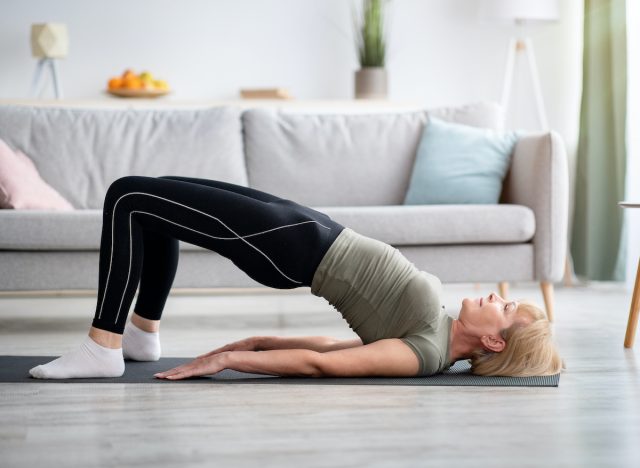
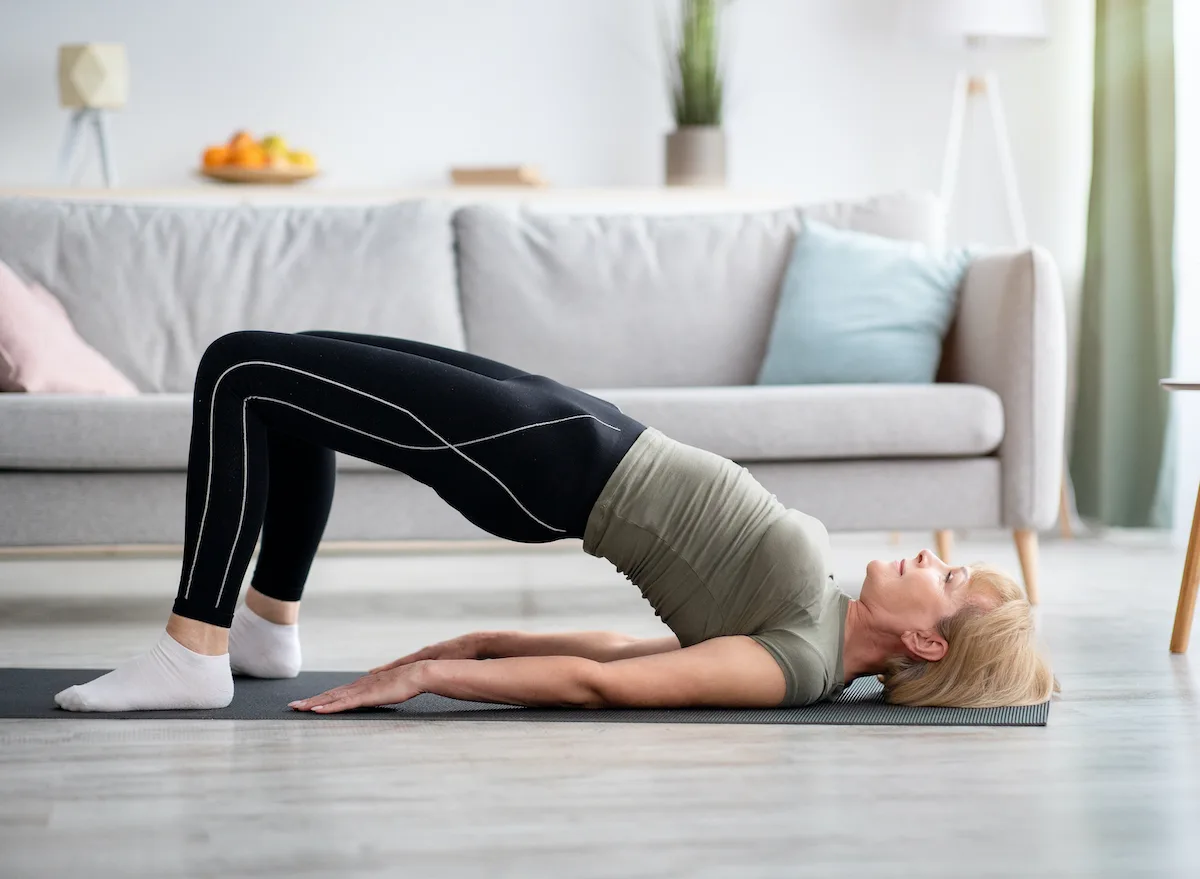
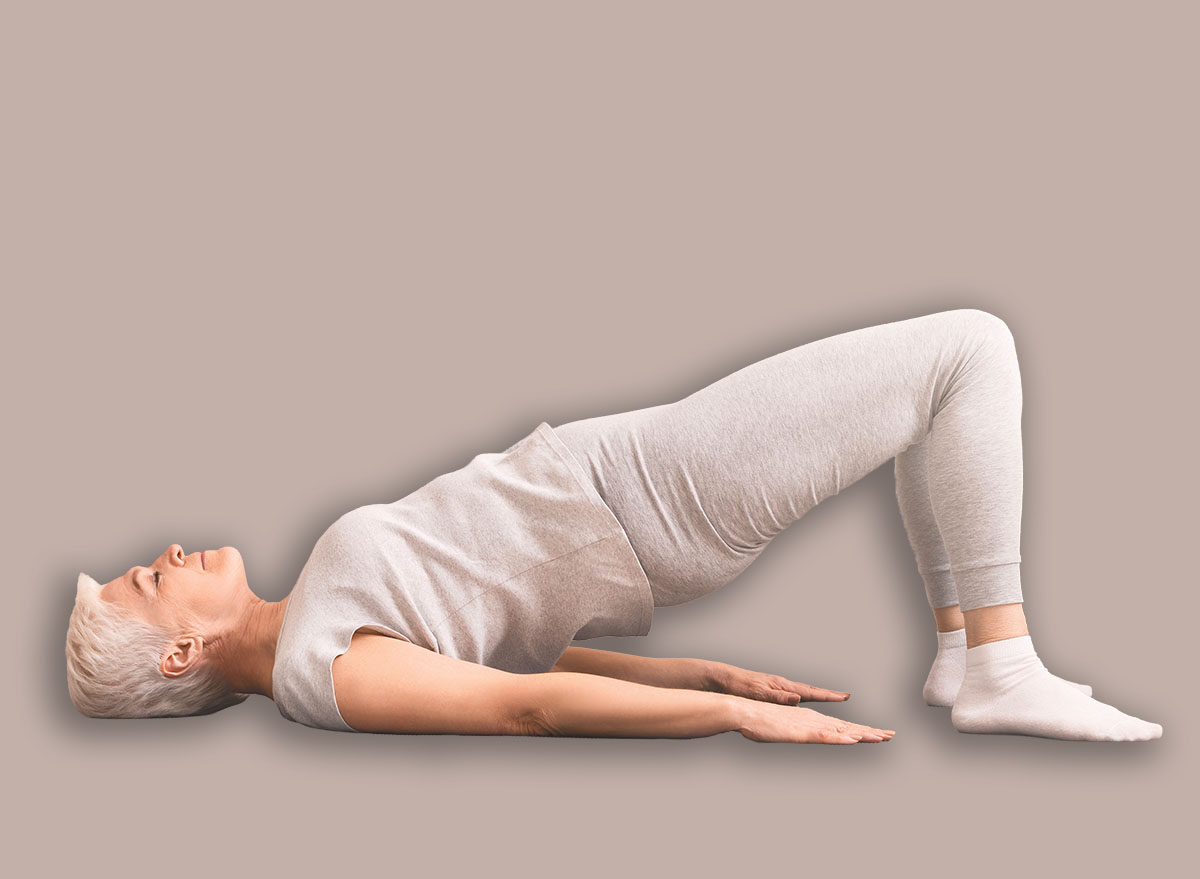
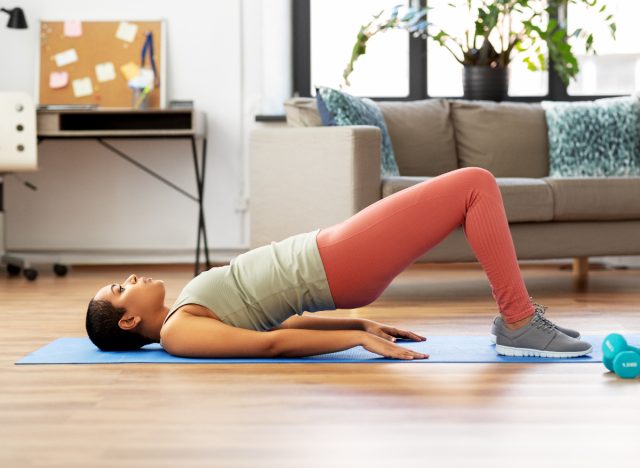
- Starting Position: Lie comfortably on your back on a firm surface, such as a yoga mat. Bend your knees, keeping your feet flat on the floor, approximately hip-width apart. Position your heels a few inches away from your glutes, ensuring your shins are roughly vertical. Your arms should rest along your sides, palms facing downwards.
- Core Engagement: Before initiating the lift, gently draw your belly button towards your spine. This activates your deep core muscles, creating a stable platform for your pelvis and spine.
- Hip Lift: Press firmly through your heels, engaging your glutes and hamstrings. Lift your hips off the floor until your body forms a straight line from your shoulders to your knees. Crucially, avoid excessive arching of your lower back; the movement should originate from your hips, not your lumbar spine.
- Peak Contraction: At the apex of the movement, consciously squeeze your gluteal muscles. This ensures maximum activation and reinforces the proper muscle recruitment pattern. Your hips should be fully extended, and your core should remain engaged to prevent the lower back from taking over.
- Hold and Time: Once you have achieved this stable, elevated position with proper form, begin timing your hold. Focus on maintaining a straight line from shoulders to knees and continuous glute engagement.
- Termination of Test: The test concludes when you can no longer maintain the straight line, your hips begin to sag towards the floor, your lower back starts to excessively arch, or you feel your glutes disengage and other muscles (like the lower back) compensating significantly. Note the duration of your hold.
Interpreting your glute bridge endurance score can offer a meaningful snapshot of your functional strength, particularly for individuals aged 55 and above. These benchmarks serve as general guidelines for assessing hip and core capacity:
- 0-30 Seconds: Foundational Endurance: A hold in this range typically indicates limited muscular endurance in the glutes and core. Individuals might experience quicker fatigue during prolonged walking, standing, or when performing daily tasks that require sustained effort. This level suggests a need to prioritize strengthening these muscle groups to enhance stability and reduce the risk of discomfort or injury in daily life.
- 31-60 Seconds: Moderate Functional Capacity: Achieving this duration suggests that your hips and core possess adequate endurance for many common everyday movements. However, longer periods of activity or more demanding physical tasks may still lead to noticeable fatigue. This score represents a good foundation upon which to build further strength and resilience.
- 61-90 Seconds: Robust Pelvic Stability: This performance level signifies strong gluteal endurance and solid stability within the pelvic region. Individuals in this category are likely to experience greater ease and confidence in daily movements, with reduced risk of fatigue during extended activities. This indicates a well-maintained level of functional fitness.
- 91+ Seconds: Exceptional Core and Hip Resilience: A hold exceeding 90 seconds demonstrates outstanding endurance in both the hips and core. This reflects a superior capacity for maintaining consistent force output from the glutes while ensuring excellent control and stability of the pelvis and spine. Such individuals typically exhibit high levels of functional fitness, reduced injury risk, and enhanced performance in a wide range of physical activities.
It is important to remember that these are benchmarks, and individual variations due to activity levels, medical history, and specific fitness goals should always be considered. Consulting with a healthcare or fitness professional can provide a more personalized assessment and training plan.
For those looking to improve their glute bridge hold time and, more broadly, enhance their hip and core strength after 55, a strategic approach to training is essential. Consistency and progressive overload are key principles.
- Regular Glute Bridge Practice: Integrate the glute bridge into your routine several times a week. Start with multiple sets of shorter holds (e.g., 3 sets of 30 seconds) and gradually increase the duration as your endurance improves.
- Incorporate Variations: Once the basic bridge is mastered, introduce variations to further challenge the muscles. Single-leg glute bridges increase the demand on each side individually, while elevating your feet on a low step or bench increases the range of motion and intensity. For those ready, adding a light weight across the hips (e.g., a dumbbell or sandbag) can build strength.
- Compound Lower Body Movements: Include other exercises that engage the hips and core in a more dynamic way. Bodyweight squats, lunges, and modified deadlifts (such as Romanian deadlifts with light weights or just bodyweight) are excellent for building overall lower body strength and coordination.
- Targeted Hip Abduction Exercises: The gluteus medius and minimus, responsible for hip abduction and stabilization, are often overlooked. Exercises like clamshells, side-lying leg raises, and resistance band walks (forward, backward, and sideways) can specifically strengthen these vital muscles, improving pelvic stability and reducing knee strain.
- Prioritize Core Stability: Complement glute work with exercises that specifically target the deep core. Planks, side planks, and bird-dog exercises are highly effective for building the sustained stability required for functional movement and spinal health.
- Mindful Movement and Posture: Pay attention to your posture and how you move throughout the day. Engaging your core and glutes consciously during activities like walking, lifting, and sitting can reinforce proper muscle activation patterns.
Ultimately, strong hips and a stable core form the bedrock of an active and independent life, especially as we age. The glute bridge endurance test offers a straightforward yet powerful method to gauge the health and functionality of these critical muscle groups. By understanding your current capacity and proactively implementing strategies to enhance it, you can significantly contribute to maintaining robust movement quality, reducing pain, and preserving your ability to engage fully with life’s demands for years to come.
About the Author