As demographics shift globally, a growing number of individuals over the age of sixty are seeking pathways to physical well-being after extended periods of inactivity. This journey back to fitness, while profoundly beneficial, often presents unique challenges, encompassing both physiological adaptations associated with aging and significant psychological hurdles. Certified personal trainers, such as Steve Stonehouse, Vice President of Education and Programming at Body Fit Training and a NASM-CPT, frequently encounter these specific concerns. Drawing from extensive experience, Stonehouse emphasizes that the re-entry into physical activity for older adults does not require complex routines but rather a focused approach on foundational, functional movements designed to rebuild core strength, enhance balance, and improve everyday mobility. This strategic selection of exercises prioritizes safety, efficacy, and relevance to daily life, offering a practical framework for individuals aiming to revitalize their physical capabilities.
The decision to embark on a fitness regimen later in life is commendable, yet it often comes with a set of distinct considerations. Physiologically, the human body undergoes several changes with age that can impact exercise capacity and safety. Sarcopenia, the gradual loss of muscle mass and strength, is a natural part of aging, making everyday tasks more challenging. Bone density can decrease, increasing the risk of fractures. Furthermore, joint mobility often diminishes due to reduced lubrication and flexibility in connective tissues, leading to stiffness, particularly in critical areas like the hips, shoulders, and ankles. A less recognized but equally important factor is the decline in proprioception – the body’s intrinsic ability to sense its position and movement in space. This reduction in spatial awareness significantly elevates the risk of falls, a major concern for older adults, especially during the initial phases of renewed physical activity.

Beyond these physical adaptations, the psychological landscape also plays a crucial role. Many older clients express a palpable fear of injury, hesitant to push their bodies due to concerns about "breaking" something or exacerbating existing discomfort. This apprehension can lead to overly cautious movements or, worse, complete avoidance of exercise. Another common pitfall is the "comparison trap," where individuals inadvertently measure their current abilities against their physical prowess of two or three decades prior. This form of self-comparison can foster frustration and discourage consistent effort, detracting from the present objective: enhancing current quality of life. Understanding and addressing these challenges is paramount for a successful and sustainable fitness journey.
In light of these considerations, the primary focus for older adults re-engaging with fitness shifts from conventional strength training metrics to functional movement patterns. Functional training involves exercises that mimic and improve movements performed in daily life. Think of actions like rising from a chair, lifting groceries, reaching for items on a high shelf, or navigating stairs. By training these fundamental movements, individuals not only build strength but also improve coordination, balance, and overall physical efficiency in a way that directly translates to enhanced independence and a reduced risk of injury. For a population where maintaining autonomy is a top priority, functional fitness provides a clear, tangible benefit that resonates deeply. It’s about empowering individuals to live more fully and confidently, rather than simply pursuing arbitrary fitness benchmarks.
Steve Stonehouse advocates for a targeted selection of five foundational exercises that serve as excellent starting points for older adults. These movements are chosen for their effectiveness in addressing common age-related declines while minimizing joint strain and promoting overall body awareness.

1. Sit-to-Stands: The Foundational Lower Body Builder
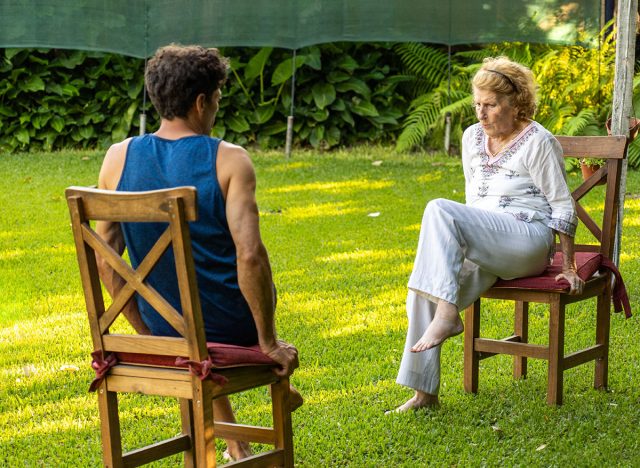
Often dubbed the "functional squat," the sit-to-stand exercise is a cornerstone for rebuilding lower body strength. It directly mirrors the ubiquitous action of rising from a seated position, a movement critical for daily independence. The use of a chair provides a built-in safety mechanism, allowing for controlled execution.
- Muscles Engaged: Quadriceps, glutes, hamstrings, and core stabilizers.
- How to Do It: Begin by sitting upright in a sturdy chair with your feet flat on the floor, hip-width apart. Lean slightly forward, engaging your core, and push through your heels to stand up completely, avoiding using your hands for support if possible. Slowly and with control, lower yourself back down to the chair, gently tapping the seat before rising again. Maintain a steady pace throughout.
- Avoid These Mistakes: Rocking forward excessively to gain momentum, allowing knees to cave inward, collapsing onto the chair rather than controlling the descent, or using hands for too much assistance.
- Recommended Sets and Reps: Two sets of 10–12 repetitions, with 60–90 seconds of rest between sets.
- Key Focus: Once 12 repetitions feel comfortable and controlled, introduce a third set before considering adding light external resistance. Focus on a slow, controlled descent to maximize muscle engagement.
2. Wall Push-Ups: Upper Body Strength Without Joint Strain
This modified push-up offers a safe and effective way to build strength in the chest, shoulders, and arms, alongside core stability, without the stress on joints often associated with floor-based variations. It serves as an accessible entry point for those new to upper body training.
- Muscles Engaged: Pectorals (chest), deltoids (shoulders), triceps (back of arms), and core.
- How to Do It: Stand facing a sturdy wall, about an arm’s length away. Place your hands flat on the wall, slightly wider than shoulder-width, at chest height. Keeping your body in a straight line from head to heels, slowly bend your elbows to bring your chest towards the wall. Push back to the starting position with control. Adjust your distance from the wall to modify difficulty – further away increases the challenge.
- Avoid These Mistakes: Arching the lower back, letting hips sag, shrugging shoulders towards ears, or rushing the movement.
- Recommended Sets and Reps: Two sets of 10–12 repetitions, with 60–90 seconds of rest between sets.
- Key Focus: Maintain a rigid plank position throughout the movement. The closer your feet are to the wall, the easier it becomes; moving them further back increases the resistance.
3. Bird Dogs: Core Stability and Spinal Health
The bird dog exercise is an excellent method for enhancing core strength, promoting spinal stability, and improving overall coordination without the neck strain that can accompany traditional abdominal crunches. It’s particularly valuable for re-establishing a functional core from the ground up.
- Muscles Engaged: Core (abdominals, obliques, erector spinae), glutes, and shoulders.
- How to Do It: Start on all fours with your hands directly under your shoulders and knees directly under your hips, maintaining a neutral spine. Engage your core as you simultaneously extend one arm forward and the opposite leg straight back, keeping them parallel to the floor. Focus on minimizing any shift in your torso. Hold briefly, then slowly return to the starting position. Alternate sides.
- Avoid These Mistakes: Arching or rounding the back, rotating the hips or shoulders, or allowing the head to drop. The movement should be slow and controlled, not rushed.
- Recommended Sets and Reps: Two sets of 10–12 repetitions per side, with 60–90 seconds of rest between sets.
- Key Focus: Imagine balancing a cup of water on your lower back to ensure minimal movement and maximum core engagement. Prioritize stability over the height of the limbs.
4. Farmer’s Carry: Grip Strength, Posture, and Fall Prevention
While seemingly simple, the farmer’s carry is a powerful exercise that addresses two critical indicators of longevity and fall prevention: grip strength and postural stability. It mimics the natural human movement of carrying objects, making it highly functional.
- Muscles Engaged: Forearms (grip), trapezius (upper back), core stabilizers, and legs.
- How to Do It: Select two dumbbells or kettlebells of appropriate weight – something challenging but manageable without compromising form. Stand tall with a weight in each hand, arms extended by your sides, shoulders pulled back and down, and core engaged. Walk slowly and deliberately for a set distance or time, maintaining an upright posture and resisting any sway.
- Avoid These Mistakes: Rounding the shoulders, leaning to one side, letting the weights pull you down, or allowing the core to disengage.
- Recommended Sets and Reps: Two sets of 30-second walks, with 60–90 seconds of rest between sets.
- Key Focus: Challenge yourself with the weight. If a 30-second carry feels too easy, gradually increase the load while maintaining perfect posture. The goal is to build endurance and strength simultaneously.
5. Step-Ups: Single-Leg Strength and Stair Navigation
Step-ups are an excellent way to improve single-leg strength, stability, and coordination, all of which are immensely important for navigating daily environments, particularly climbing stairs. A standard staircase step or a low, sturdy platform is all that’s required.
- Muscles Engaged: Quadriceps, glutes, hamstrings, and calves.
- How to Do It: Stand facing a sturdy step or low box. Place one foot completely on the step. Push through the heel of your elevated foot to step up, bringing your other foot to meet it on the platform. Control your descent by stepping back down with the same leading leg, then repeat. Ensure the entire foot is on the step to prevent ankle strain.
- Avoid These Mistakes: Pushing off with the trailing foot, letting the knee cave inward, or rushing the movement.
- Recommended Sets and Reps: Two sets of 10–12 repetitions per leg, with 60–90 seconds of rest between sets.
- Key Focus: Maintain a controlled tempo throughout. Ensure the knee tracks directly over the ankle, preventing excessive inward or outward movement. Start with a lower step and gradually increase height as strength improves.
Structuring Your Re-Entry: A Sustainable Weekly Plan
For those returning to exercise, consistency is a far more critical factor than intensity in the initial stages. The body adapts gradually, and regular, manageable stimulation yields better long-term results than sporadic, overly strenuous workouts. Stonehouse suggests a straightforward framework:
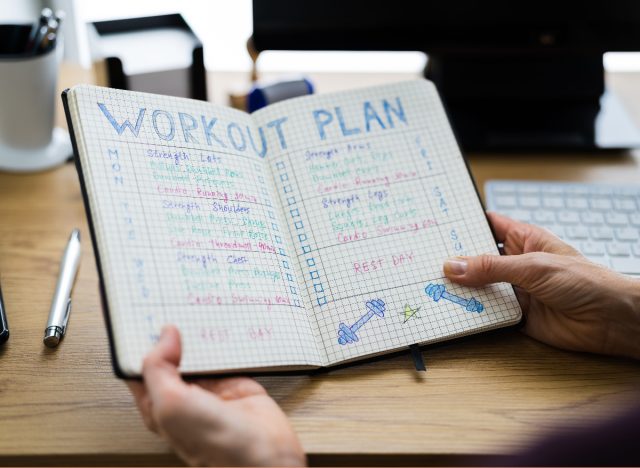
- Frequency: Aim for three non-consecutive days of strength training per week (e.g., Monday, Wednesday, Friday).
- Structure: On each training day, perform all five exercises as a full-body circuit or sequentially.
- Warm-up: Begin each session with 5-10 minutes of light cardiovascular activity (e.g., walking in place, arm circles, leg swings) and dynamic stretches to prepare the muscles and joints.
- Cool-down: Conclude with 5-10 minutes of static stretching, holding each stretch for 20-30 seconds, focusing on the major muscle groups worked.
- Listen to Your Body: It’s normal to experience some mild muscle soreness initially. However, sharp pain is a signal to stop and reassess. Adequate rest between sessions is crucial for recovery and adaptation. Consider consulting a healthcare professional or a certified personal trainer to tailor the program to individual needs and pre-existing conditions.
Anticipating Progress: What to Expect in the Initial 4-6 Weeks
Committing to this consistent, functional approach will yield noticeable improvements within the first month to six weeks. While dramatic transformations are not the immediate goal, the cumulative effects on daily life can be profound. Individuals can realistically expect:
- Enhanced Stability and Balance: A significant reduction in feelings of unsteadiness, leading to greater confidence in walking and navigating various terrains. This directly translates to a lower risk of falls.
- Improved Joint Mobility and Reduced Stiffness: The targeted movements help lubricate joints and increase range of motion, alleviating chronic aches and making daily movements feel smoother and less restrictive.
- Increased Energy Levels: Regular physical activity, even at moderate intensity, boosts circulation, improves sleep quality, and enhances overall vitality, combating fatigue.
- Greater Functional Strength: Everyday tasks that once felt arduous, such as carrying groceries, climbing stairs, or gardening, will become noticeably easier.
- Boosted Confidence and Mental Well-being: Overcoming physical challenges and observing tangible improvements fosters a sense of accomplishment and empowerment, positively impacting mood and self-perception. The "comparison trap" fades as focus shifts to current, achievable progress.
The ultimate objective of embarking on this fitness journey is not to revert to a younger version of oneself, but rather to cultivate a more robust, capable, and resilient individual in the present. This expert-backed, accessible framework provides a powerful starting point for older adults to reclaim their physical autonomy and embrace an active, fulfilling lifestyle.
About the Author