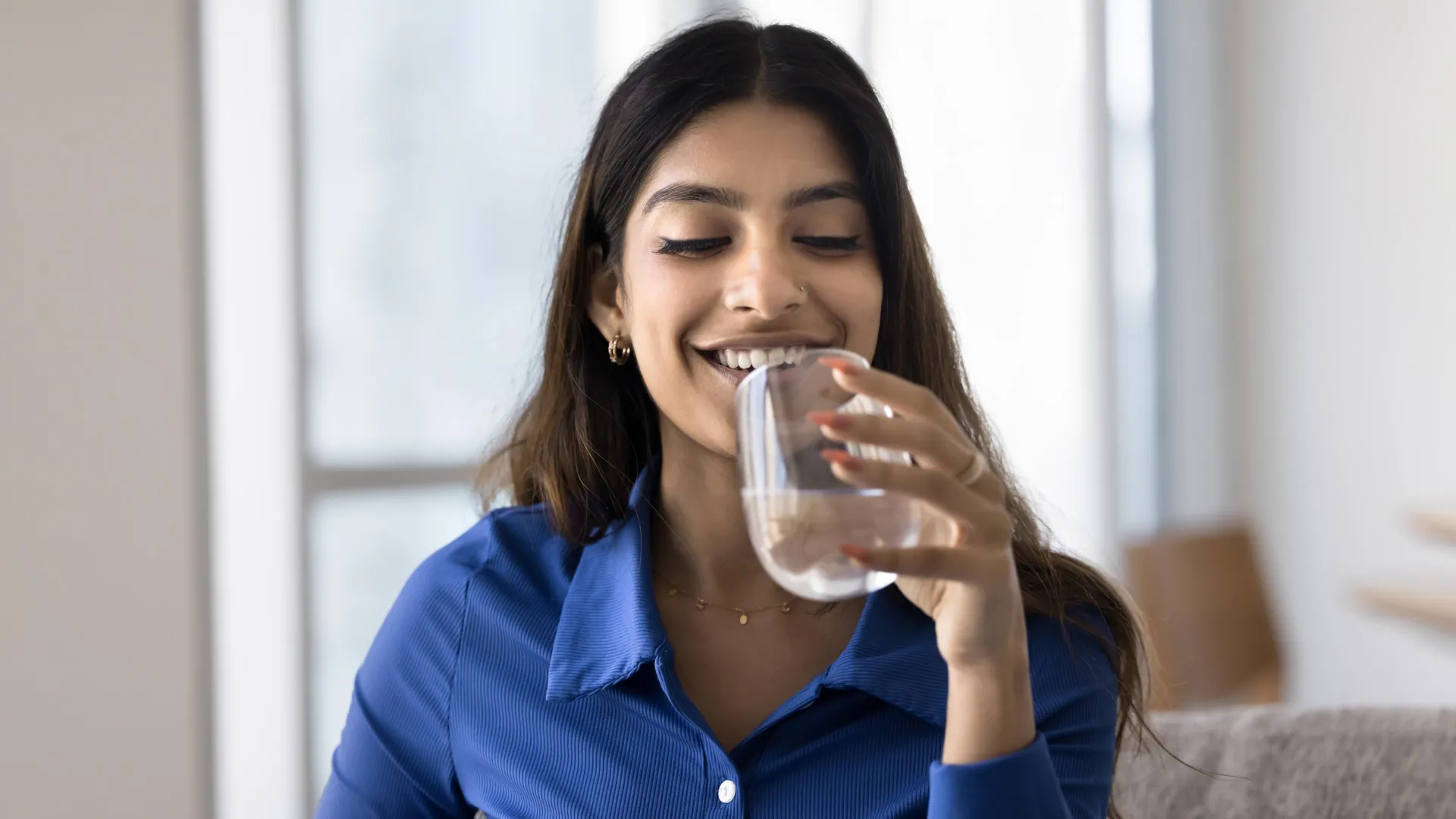
A recent preliminary scientific inquiry has illuminated the nuanced relationship between sparkling water consumption and the pH balance within the oral cavity, a critical factor in maintaining the integrity of tooth enamel. The research, presented at the prominent NUTRITION 2026 annual meeting of the American Society for Nutrition, offers valuable insights for individuals considering a shift away from sugar-laden beverages towards carbonated alternatives. At the heart of this investigation lies the concept of oral pH, a measure of acidity that directly influences the susceptibility of teeth to erosion. Tooth enamel, the hard outer layer of teeth, begins to demineralize, or dissolve, when the mouth’s environment becomes excessively acidic, specifically when the pH level dips below approximately 5.5. Understanding how different beverages alter this delicate balance is paramount for informed dietary choices regarding oral health.
This comprehensive study, spearheaded by Wajiha Zulfiqar, a graduate student in Nutrition Science at Purdue University, meticulously compared the immediate physiological responses of the human mouth to various popular drinks. The findings suggest that while unsweetened sparkling water can indeed cause a transient decrease in oral pH, its erosive potential appears to be considerably less pronounced than that of sugary sodas. Zulfiqar articulated that this research provides crucial preliminary evidence supporting the notion that for those transitioning from soda, unsweetened sparkling water may represent a comparatively lower-risk choice, provided it is consumed with mindful moderation and complemented by robust daily oral hygiene practices. The research was unveiled during the conference held from July 25th to 28th in National Harbor, Maryland, a significant gathering for nutrition scientists.
The impetus for this study stemmed from a growing awareness of the detrimental effects of sugar-sweetened sodas on dental health. Extensive prior research has firmly established that these beverages significantly contribute to dental erosion by driving oral pH well below the critical threshold of 5.5. However, the specific impact of unsweetened sparkling water on intraoral acidity remained less thoroughly understood, creating a knowledge gap that this new research endeavors to fill. To address this, the researchers designed an experimental protocol involving twenty adult participants. Each individual was tasked with consuming a range of beverages, including a standard sugar-sweetened soda, regular unsweetened sparkling water, calcium-fortified sparkling water, and plain, still water. This within-subject design was crucial for minimizing the variability introduced by individual physiological differences, thereby isolating the effects of the beverages themselves.
A key methodological innovation of this study was its focus on measuring salivary pH directly from the participants’ mouths, rather than solely analyzing the inherent acidity of the beverages in isolation. This real-time measurement allowed the research team to capture the dynamic interplay between the consumed liquid and the body’s immediate response. By observing how the mouth’s pH changed immediately following the consumption of each drink, the study aimed to provide a more accurate reflection of how these beverages might affect oral health in practical scenarios. Zulfiqar highlighted the significance of this approach, explaining that it enabled a direct comparison of the beverages within a consistent experimental framework. This allowed for a clear evaluation of sparkling water’s effects in relation to both high-risk beverages like soda and a neutral baseline like plain water. Furthermore, the real-time measurement offered a more ecologically valid understanding of oral health impacts compared to studies that solely assess beverage acidity.
The results unequivocally demonstrated that among the tested beverages, sugar-sweetened soda elicited the most substantial increase in mouth acidity. Salivary pH levels were found to be significantly lower after soda consumption when measured at both two and twenty minutes post-ingestion, compared to the levels observed after drinking plain water. The impact of unsweetened sparkling water was more moderate. Regular unsweetened sparkling water induced a temporary reduction in salivary pH, noticeable at the two-minute mark. Similarly, calcium-fortified sparkling water led to a pH decrease, albeit with a slightly delayed onset at five minutes. Crucially, for both types of sparkling water, the oral pH levels had largely rebounded to near their pre-consumption levels within twenty minutes. The body’s natural buffering system, primarily through saliva, played a vital role in restoring normal acidity following the consumption of both soda and sparkling water. Even in the short term, and despite the temporary dips, salivary pH generally remained above the critical enamel damage threshold immediately after consumption.
However, the researchers were keen to emphasize the limitations of their findings, particularly concerning the short-term nature of the experiment. The study focused solely on brief fluctuations in salivary pH. The actual risk of dental erosion in everyday life is a multifactorial issue, influenced by a host of other variables. These include the frequency with which a beverage is consumed, the duration of teeth exposure to the liquid, and the presence of sugars or other erosive agents within the drink. The mere presence of acidity in a beverage does not automatically translate to severe dental damage if other mitigating factors are in play, such as diligent oral hygiene, adequate saliva production, and the avoidance of prolonged contact with the teeth.
Despite these caveats, the study’s implications for beverage choices are significant. Zulfiqar suggested that the findings offer compelling evidence that substituting sugar-sweetened sodas with unsweetened sparkling water could indeed contribute to a reduced risk of enamel erosion. This dietary modification presents a tangible step individuals can take to protect their dental health. Moreover, the research also points towards opportunities for innovation within the beverage industry. The findings underscore the potential for beverage manufacturers to explore reformulation strategies aimed at mitigating the erosive properties of acidic drinks, perhaps by adjusting acidity levels or incorporating protective ingredients.
Looking ahead, the research team has outlined plans to expand their investigation to explore the long-term consequences of sparkling water consumption on oral health. Future studies are anticipated to delve into whether regular intake of sparkling water might influence other oral tissues, such as gums, that are integral to overall dental well-being. The research abstract detailing these findings was presented on Sunday, July 26th, as part of the Clinical Nutrition II Poster Session, held within the Gaylord National Resort & Convention Center. It is important to note that abstracts presented at NUTRITION 2026, while reviewed and selected by expert committees, generally have not undergone the rigorous peer-review process typically required for publication in established scientific journals. Therefore, these findings should be considered preliminary and subject to refinement and validation in subsequent peer-reviewed publications.
About the Author