
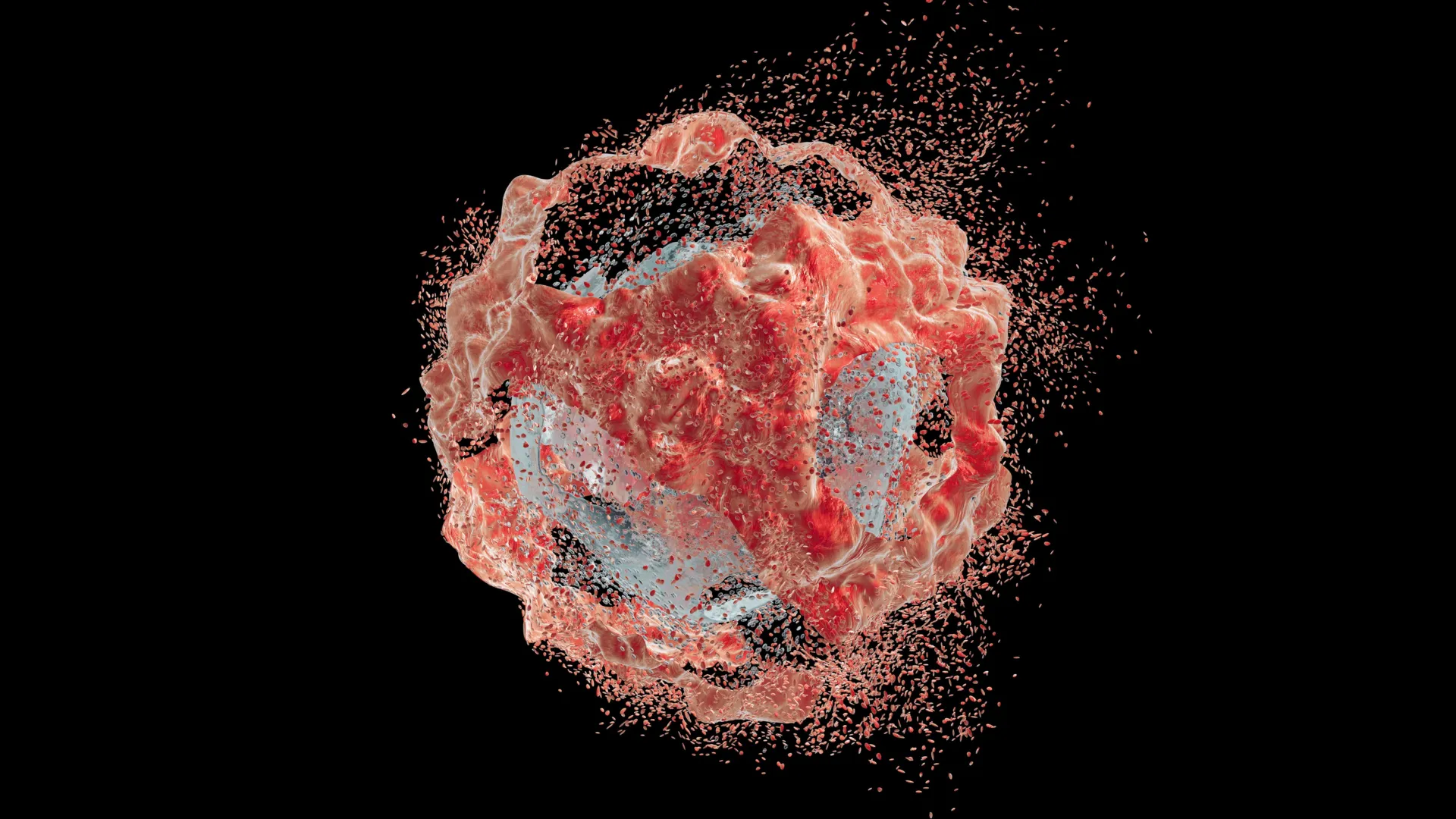
Pancreatic ductal adenocarcinoma, commonly referred to as pancreatic cancer, stands as one of the most formidable and lethal malignancies, characterized by its aggressive nature, late diagnosis, and notorious resistance to conventional therapies. Despite advancements in oncology, it maintains a grim prognosis, largely due to its insidious progression and a complex biological architecture that shields it from therapeutic assaults. A beacon of hope now emerges from the Sylvester Comprehensive Cancer Center at the University of Miami Miller School of Medicine, where an innovative research team has pinpointed a crucial vulnerability within this protective framework: a receptor known as IL1RAP. This discovery lays the groundwork for an unprecedented clinical trial, aiming to disarm the tumor’s defenses and significantly enhance the efficacy of existing treatments for patients with operable pancreatic cancer.
The extraordinary challenge in treating pancreatic cancer stems primarily from its unique and hostile microenvironment. Unlike many other cancers, pancreatic tumors do not exist in isolation; they are deeply embedded within a dense, fibrous stroma—a complex network of connective tissue, immune cells, blood vessels, and fibroblasts. This intricate "tumor microenvironment" (TME) acts as a physical and immunological barrier, actively promoting cancer cell survival, proliferation, and metastasis, while simultaneously impeding the delivery and effectiveness of chemotherapy and immunotherapy. For years, scientists have struggled to penetrate this formidable shield, which contributes significantly to the disease’s high mortality rate.
A central player in orchestrating this protective TME, as revealed by the Sylvester team, is the Interleukin-1 Receptor Accessory Protein, or IL1RAP. This protein functions as a critical co-receptor, facilitating the signaling of various inflammatory cytokines that are rampant within the pancreatic tumor’s milieu. Dr. Jashodeep Datta, a leading pancreatic and hepatobiliary surgical oncologist and senior author of the study published in JCI Insight, emphasizes that IL1RAP acts as a "shared helper receptor." This means it doesn’t just participate in a single inflammatory pathway, but rather serves as a central hub for multiple inflammatory signals to transmit their messages. By blocking this single point of control, researchers hypothesize they can disrupt a much broader, interconnected network that supports tumor growth and resistance.
The unique characteristic of the pancreatic TME is its paradoxical state: it is highly inflamed yet profoundly immune-suppressed. While inflammation is typically associated with immune activation, in pancreatic cancer, this chronic inflammation paradoxically creates an environment that stifles anti-tumor immune responses. Immune cells that would normally attack cancer cells are either reprogrammed to support the tumor, or they are excluded from the tumor core altogether. High levels of IL1RAP appear to be instrumental in maintaining this "inflamed but immune-suppressed" equilibrium, essentially allowing the tumor to thrive undisturbed by the body’s natural defenses or therapeutic interventions. Disrupting IL1RAP’s function is designed to dismantle this protective system, making the tumor more susceptible to treatment.
The journey from initial hypothesis to potential clinical application involved rigorous preclinical investigation. In laboratory and animal models, the Sylvester team observed compelling evidence of IL1RAP inhibition’s transformative effects on the pancreatic TME. Critically, blocking IL1RAP led to a measurable reduction in immune-suppressive cells—such as myeloid-derived suppressor cells (MDSCs) and regulatory T cells (Tregs)—which are notorious for dampening anti-tumor immunity. Simultaneously, there was a significant increase in the activity and functionality of cytotoxic T lymphocytes, the very immune cells capable of recognizing and destroying cancer cells. Furthermore, the researchers noted a decrease in tumor fibrosis, the dense scar-like tissue that physically obstructs drug delivery and immune cell infiltration. These favorable changes collectively rendered the tumors considerably more responsive to combination treatments, validating the strategy of modifying the tumor’s environment rather than solely targeting cancer cells directly.
This promising preclinical data has paved the way for an unprecedented neoadjuvant clinical trial, spearheaded by Sylvester Comprehensive Cancer Center. Neoadjuvant therapy, administered before surgery, offers a critical window of opportunity to shrink tumors, eradicate microscopic disease, and improve the chances of successful surgical resection and long-term survival. The planned trial will combine an IL1RAP-targeted therapeutic agent with standard chemoimmunotherapy regimens in patients diagnosed with operable pancreatic cancer. This strategy is particularly significant because it addresses a patient population often overlooked by newer therapies, such as KRAS-targeted drugs, which currently show promise primarily for metastatic disease and whose application in early-stage, operable cases is still years away.
The design of this neoadjuvant trial presents a unique scientific advantage. By treating patients before surgery, researchers will have the invaluable opportunity to analyze tumor tissue both prior to and following the experimental therapy. This "before-and-after" comparison will provide direct, real-time insights into how IL1RAP inhibition, in combination with chemoimmunotherapy, biologically alters the tumor microenvironment within individual patients. This direct correlation between therapeutic intervention and observable biological changes is crucial for understanding treatment mechanisms, identifying biomarkers of response, and rapidly advancing the field. As Dr. Peter Hosein, a co-author of the study and co-leader of the Gastrointestinal Cancers Site Disease Group at Sylvester, highlighted, this trial offers a "unique window to connect the science directly to patient outcomes," an essential step for true progress in cancer research.
The broader implications of this research are profound. Current standard-of-care treatments for operable pancreatic cancer typically involve surgery followed by adjuvant chemotherapy. However, even after successful surgery, recurrence rates remain high, underscoring the need for more effective upfront strategies. By weakening the tumor’s defenses pre-surgery, the IL1RAP-targeted approach aims to improve the effectiveness of subsequent treatments, potentially leading to higher rates of complete pathological response and reduced recurrence. This represents a paradigm shift from solely focusing on directly killing cancer cells to strategically dismantling their protective ecosystem, thereby making them vulnerable to existing therapeutic arsenals.
The impetus behind translating this "bench-to-bedside" research was significantly bolstered by a highly competitive Translational Research Grant from the V Foundation. This prestigious award, providing $800,000 over four years, is reserved for a select group of projects demonstrating exceptional potential to move promising laboratory discoveries into early-phase clinical trials. The rigorous national peer-review process undertaken by grant nominees underscores the scientific community’s recognition of IL1RAP’s potential as a therapeutic target and the innovative nature of the Sylvester team’s approach. This funding is critical for accelerating the transition from preclinical findings to patient-centered clinical strategies, transforming scientific insights into tangible hope for patients.
In conclusion, the identification of IL1RAP as a pivotal coordinator of pancreatic cancer’s protective microenvironment marks a significant milestone in the ongoing battle against this aggressive disease. The planned neoadjuvant clinical trial represents not just a new therapeutic strategy, but also a sophisticated investigational platform designed to unravel the complex biological responses within individual tumors. As this research progresses, it carries the potential to fundamentally alter the treatment landscape for operable pancreatic cancer, offering renewed hope for improved outcomes for countless patients who currently face one of oncology’s most formidable challenges. The scientific community eagerly awaits the results, which could usher in a new era of targeted therapies focused on dismantling the very shields that empower pancreatic tumors.
About the Author









