
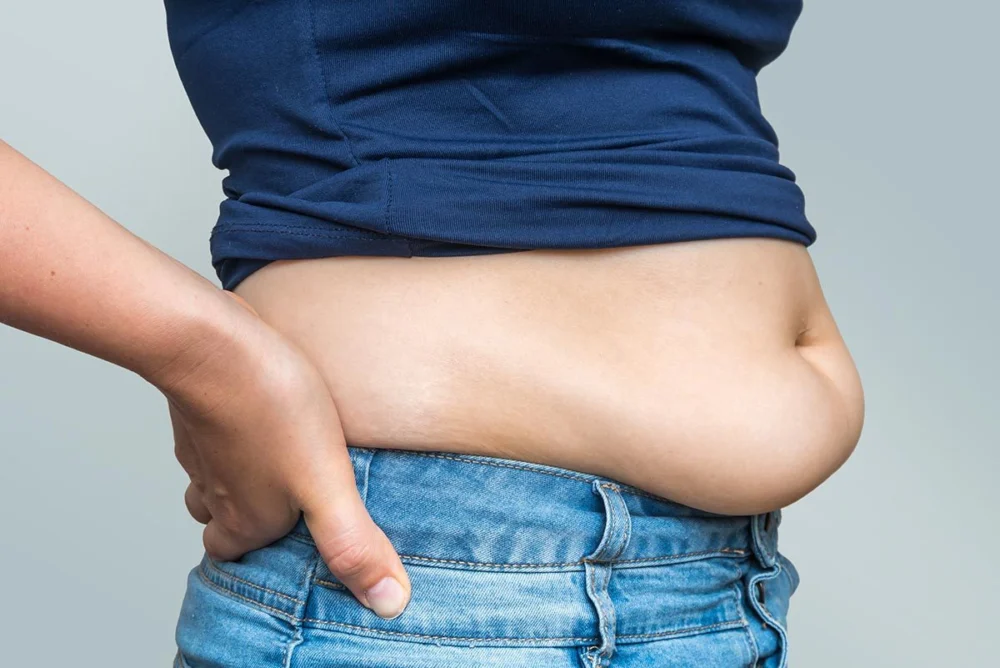
As individuals progress into their senior years, maintaining physical health and managing body composition often become central concerns. One particular challenge frequently encountered is the accumulation of adipose tissue in the abdominal region, sometimes referred to as a pendulous abdomen or abdominal panniculus. This isn’t merely a cosmetic issue; the presence of significant belly fat, especially the deeply situated visceral fat, carries considerable health implications. While many fitness routines advocate for specialized gym equipment to address these concerns, an increasingly recognized approach highlights the profound efficacy of bodyweight exercises. These accessible movements, requiring minimal or no equipment, can be exceptionally beneficial for strengthening the core, improving stability, and contributing to a more defined midsection for adults over sixty.
The "apron belly," or panniculus, refers to an overhang of skin and fat in the lower abdomen. It often indicates the presence of both subcutaneous fat (just beneath the skin) and, more critically, visceral fat. Visceral fat is distinct because it is stored deep within the abdominal cavity, enveloping vital organs such as the liver, pancreas, and intestines. Unlike subcutaneous fat, visceral fat is metabolically active, releasing inflammatory compounds and hormones that can disrupt normal bodily functions. This type of fat is strongly linked to an elevated risk of developing serious chronic conditions, including cardiovascular disease, type 2 diabetes, certain forms of cancer, and stroke. Therefore, addressing abdominal adiposity is not solely about aesthetics but fundamentally about safeguarding long-term health and enhancing overall well-being.
The propensity for abdominal fat accumulation significantly increases as individuals enter their later decades, particularly post-60. This phenomenon is a complex interplay of several physiological shifts. Hormonal fluctuations play a crucial role: for women, the decline in estrogen during menopause often redirects fat storage from hips and thighs to the abdomen. Similarly, men experience a gradual reduction in testosterone levels (andropause), which can also promote central adiposity. Beyond hormones, age-related sarcopenia, the progressive loss of muscle mass and strength, contributes to a slower metabolism. Muscle tissue burns more calories at rest than fat tissue, so a reduction in muscle mass can lead to easier weight gain, especially if dietary habits remain unchanged. Furthermore, a lifetime of gravitational pull, combined with diminishing muscle tone in the abdominal wall, can exacerbate the appearance of a pendulous abdomen. As Joe Ghafari, a Certified Personal Trainer and Nutritionist, notes, this period often represents a "perfect storm" of factors encouraging fat storage around the gut. He emphasizes that while frustrating, this is not an insurmountable challenge, particularly when focusing on the deep stabilizing core muscles often neglected by conventional gym equipment.
Traditional gym machines often isolate specific muscle groups, providing support and guiding movements. While beneficial for certain training goals and beginner safety, this isolation can sometimes allow for compensatory movements or the use of momentum, effectively "cheating" the primary target muscles. In contrast, bodyweight exercises, especially those focused on the core, demand comprehensive engagement of multiple muscle groups simultaneously. This integrated approach is precisely what Ghafari advocates for, stating, "We want to integrate." These exercises compel the intrinsic core muscles—the transversus abdominis, multifidus, diaphragm, and pelvic floor—to work in concert with superficial muscles, fostering superior stability, balance, and functional strength. This comprehensive activation is highly effective in tightening the entire abdominal girdle, which can contribute to reducing the appearance of a protruding midsection and improving postural support. The accessibility of bodyweight training also means these beneficial movements can be consistently performed in any setting, promoting adherence and long-term results without the need for specialized facilities.
Five Foundational Bodyweight Exercises for Core Strengthening:
1. Standing Knee-to-Chest:
This seemingly simple movement is excellent for initiating core engagement while simultaneously improving balance and hip mobility. To perform it, stand tall with your feet hip-width apart, ensuring your weight is evenly distributed. Engage your core muscles by drawing your navel towards your spine. Slowly lift one knee towards your chest, grasping it with both hands if possible, gently pulling it closer to your torso. Maintain a straight posture, avoiding rounding your back. Hold for a few seconds, feeling the stretch in your hip and the activation in your standing leg’s glute and core, then slowly lower the leg. Alternate sides, performing 10-15 repetitions on each. This exercise not only targets the lower abdominal muscles but also enhances proprioception and strengthens the hip flexors, crucial for gait and daily movement, making it particularly valuable for older adults. For added stability, individuals can hold onto a chair or wall.
2. The Stomach Vacuum:
Often underestimated, the stomach vacuum is a powerful exercise for directly targeting the transversus abdominis, the deepest abdominal muscle that acts like a natural corset. It helps to pull the abdominal wall inward, contributing to a flatter appearance. Begin by sitting or standing comfortably, with a straight back. Take a deep breath, fully expanding your lungs. As you exhale slowly and completely, consciously draw your belly button inward towards your spine as much as possible, as if trying to touch your navel to your back. Hold this deep contraction for 15-30 seconds while continuing to take shallow breaths. Release and repeat for several repetitions. Consistency with this exercise can significantly improve internal core strength, support the lumbar spine, and reduce the circumference of the waistline over time, often more effectively than traditional crunches for internal definition.
3. Bird-Dog:
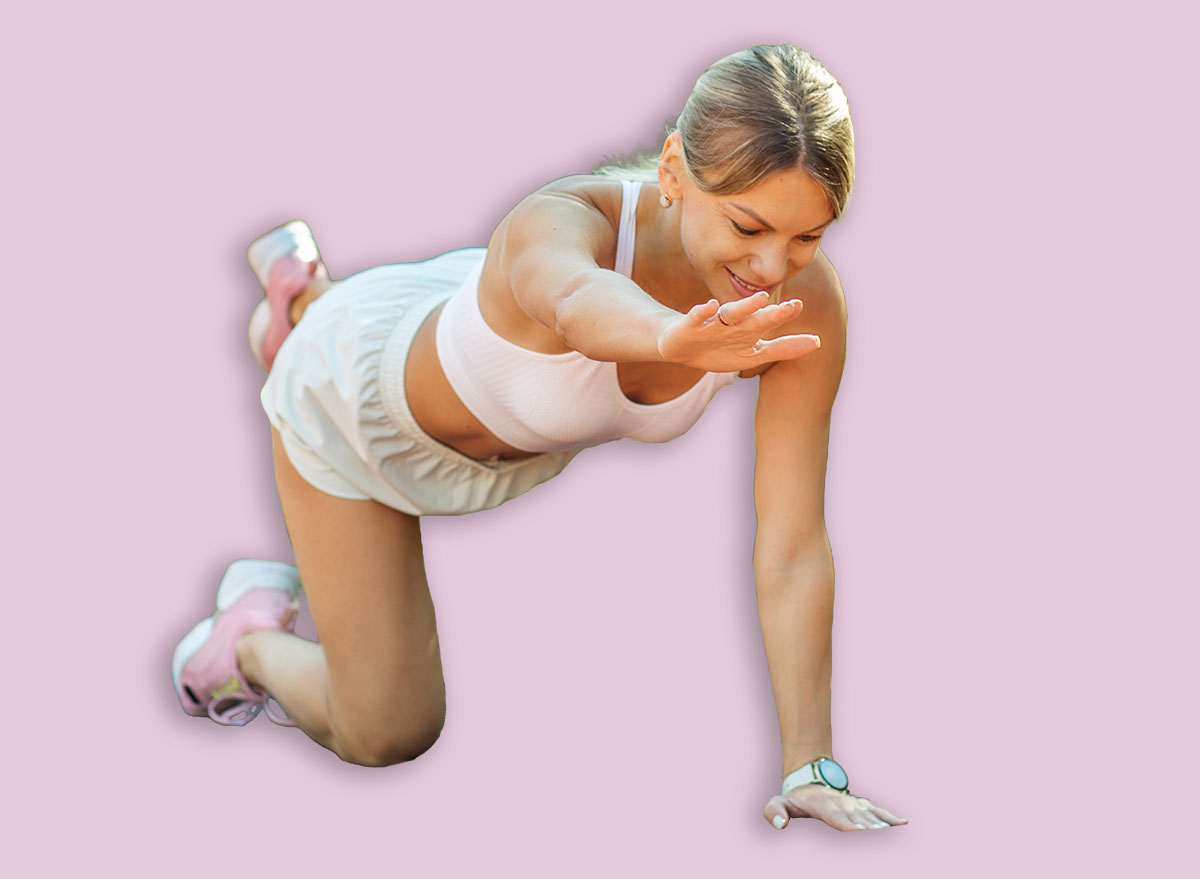
The bird-dog exercise is a cornerstone of core stability training, renowned for its ability to improve balance, coordination, and spinal health without placing undue stress on the back. Start on all fours, with your hands directly under your shoulders and knees under your hips, maintaining a neutral spine. Engage your core to prevent any sagging or arching of the lower back. Slowly extend one arm straight forward while simultaneously extending the opposite leg straight back, keeping both limbs parallel to the floor. Focus on maintaining a stable torso, resisting any rotation or tilt. Your head should remain in line with your spine. Hold the extension briefly, then return to the starting position with control. Alternate sides for 10-12 repetitions per side. This exercise strengthens the entire posterior chain, deep core stabilizers, and improves communication between the brain and limbs, making it excellent for functional movement and fall prevention.
4. Pelvic Tilts:
Pelvic tilts are a gentle yet effective movement for engaging the lower abdominal muscles and improving pelvic control, which is vital for lower back health and posture. Lie on your back on a mat with your knees bent and feet flat on the floor, hip-width apart. Ensure your lower back has a slight natural curve. Inhale deeply. As you exhale, gently press your lower back into the mat, flattening the curve by tilting your pelvis upward. Imagine pulling your pubic bone towards your belly button. You should feel your lower abdominal muscles contract. Avoid lifting your buttocks off the floor; the movement is subtle. Hold for a few seconds, then release back to the starting position as you inhale. Perform 10-15 repetitions. This exercise is particularly beneficial for individuals seeking to alleviate lower back discomfort, activate dormant lower core muscles, and improve body awareness, laying a solid foundation for more advanced core work.
5. Modified Mountain Climbers:
Modified mountain climbers offer a dynamic, low-impact way to engage the core, improve cardiovascular fitness, and strengthen the upper body without the high intensity of traditional versions. Begin in an elevated plank position, with your hands placed on a sturdy chair, bench, or even a wall for greater modification, and your body forming a straight line from head to heels. Ensure your wrists are under your shoulders. Engage your core tightly. One at a time, bring one knee towards your chest, then return it to the starting position. Alternate legs in a controlled, rhythmic motion, mimicking a climbing action. The key is to maintain a stable upper body and prevent your hips from rising or sagging. Continue for 30-60 seconds, or for a set number of repetitions on each side. This modification reduces the load on the wrists and shoulders, making it safer and more accessible while still providing a robust workout for the entire core, hips, and shoulders.
A Holistic Approach to Abdominal Health:
While these targeted bodyweight exercises are instrumental in strengthening the core and improving abdominal definition, their effectiveness is significantly amplified when integrated into a broader wellness strategy. Nutritional choices play a paramount role; a balanced diet rich in whole foods, lean proteins, healthy fats, and fiber, while limiting processed foods, refined sugars, and excessive unhealthy fats, is crucial for overall fat reduction. Adequate hydration supports metabolic processes and satiety. Sufficient, quality sleep is another non-negotiable component, as sleep deprivation can disrupt hormones that regulate appetite and fat storage. Stress management techniques, such as meditation or mindful breathing, can also mitigate the impact of cortisol, a hormone linked to increased abdominal fat. Consistency in all these areas, rather than sporadic intense efforts, is the true catalyst for sustainable health improvements and a more contoured midsection.
Prioritizing Safety and Professional Guidance:
Before embarking on any new exercise program, particularly for individuals over sixty or those with pre-existing health conditions, it is imperative to consult with a healthcare professional or a certified fitness expert. A medical evaluation can help identify any potential limitations or contraindications, ensuring that the chosen exercises are safe and appropriate for individual circumstances. A qualified personal trainer can provide personalized guidance, demonstrate proper form, and offer modifications to suit varying fitness levels, thereby maximizing benefits and minimizing the risk of injury. Listening to one’s body and progressing gradually are fundamental principles for a successful and injury-free fitness journey.
The journey to enhanced core strength and reduced abdominal adiposity in the later stages of life does not necessitate expensive gym memberships or complex machinery. By embracing a regimen of carefully selected bodyweight exercises, individuals over the age of sixty can effectively target deep abdominal muscles, improve functional stability, and significantly contribute to their overall health and well-being. Coupled with a holistic approach to lifestyle and professional guidance, these accessible movements offer a powerful pathway to a stronger, more defined core and a healthier future.
About the Author










