Intestinal resection surgery, a critical intervention often necessary to treat life-threatening conditions such as severe inflammatory bowel disease, congenital anomalies, or necrotizing enterocolitis in premature infants, frequently saves lives by removing diseased or necrotic sections of the small intestine. However, for a significant cohort of patients, this essential procedure initiates a cascade of severe, long-term health complications, particularly affecting liver function. A substantial challenge arises from the absence of preventative or therapeutic pharmaceutical interventions to mitigate these hepatic consequences, which can escalate to chronic liver damage or even irreversible liver failure, necessitating a transplant in up to 15% of cases. In a major advancement addressing this critical unmet medical need, researchers at Washington University School of Medicine in St. Louis have pioneered a novel compound designed to offer comprehensive protection to the liver while simultaneously enhancing the body’s capacity for nutrient absorption following such surgeries. This breakthrough, detailed in the March 6 edition of Gastroenterology, represents a significant stride toward improving the long-term prognosis and quality of life for patients undergoing radical small bowel resection.
The intricate connection between the gastrointestinal tract and the liver, often referred to as the "gut-liver axis," plays a pivotal role in the development of post-surgical complications. Following extensive removal of the small intestine, patients frequently develop a debilitating condition known as short bowel syndrome (SBS). This syndrome is characterized by a drastically reduced surface area for nutrient assimilation, leading to severe malabsorption, malnutrition, and a profound dependency on parenteral nutrition (intravenous feeding) to sustain life. While life-sustaining, long-term intravenous feeding itself can impose substantial stress on the liver, contributing to a spectrum of liver diseases, including cholestasis, steatosis (fatty liver), and progressive fibrosis, culminating in cirrhosis and eventual liver failure. This complex interplay of surgical alteration, nutritional dependency, and hepatic vulnerability underscores the urgency for effective therapeutic strategies.
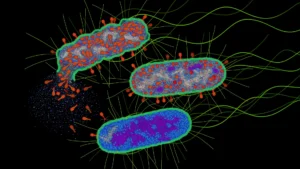
The journey toward this innovative therapeutic approach began with foundational research into the mechanisms underlying post-resection liver injury. The late Dr. Brad Warner, a distinguished pediatric surgeon and researcher at WashU Medicine, dedicated a significant portion of his career to enhancing outcomes for children afflicted with short bowel syndrome. In a pivotal 2021 study, conducted collaboratively with Dr. Gwendalyn Randolph, the Emil R. Unanue Distinguished Professor of Immunology in WashU Medicine’s Department of Pathology & Immunology and senior author of the current study, a crucial discovery was made. Their work elucidated that certain byproducts generated by gut bacteria, specifically bacterial metabolites and endotoxins like lipopolysaccharide (LPS), are capable of translocating from the compromised intestine to the liver via the portal venous system following small bowel resection. Once in the liver, these bacterial components trigger inflammatory responses and initiate hepatocellular damage, setting the stage for fibrosis and impaired liver function. Crucially, the same study also identified high-density lipoprotein (HDL), commonly known as "good cholesterol," as a protective agent. HDL demonstrated an ability to neutralize these harmful bacterial substances, thereby safeguarding the liver from injury.
Building upon these seminal findings, the research team focused its efforts on developing a strategy to bolster the liver’s natural defense mechanisms. Their attention turned to a class of pharmacological agents known as Liver X Receptor (LXR) agonists. LXRs are nuclear hormone receptors that play a critical role in regulating lipid metabolism, cholesterol transport, and inflammatory responses throughout the body. Activating LXRs can lead to an increase in HDL production, primarily by promoting the expression of genes involved in cholesterol efflux. However, earlier generations of LXR agonists encountered significant challenges in clinical development. Their systemic activity, meaning they affected the entire body, led to undesirable and often severe side effects, including the accumulation of lipids in non-adipose tissues and other metabolic disturbances, which limited their therapeutic utility.
Recognizing the promise of LXR activation combined with the necessity of avoiding systemic complications, the WashU team embarked on synthesizing a novel "gut-restricted" LXR agonist. The goal was to engineer a compound that would exert its therapeutic effects exclusively within the gastrointestinal tract, thereby maximizing localized benefits while circumventing systemic exposure and its associated adverse reactions. This specialized compound, designated WUSTL0717, was originally identified by a pharmaceutical company but had not been advanced to market. Dr. Bahaa Elgendy, an associate professor of anesthesiology at WashU Medicine and a co-author with specialized expertise in medicinal chemistry, meticulously synthesized WUSTL0717 for the current investigation. The design principle behind WUSTL0717 was to create a molecule that, when administered orally, would remain largely confined to the intestinal lumen and not be significantly absorbed into the bloodstream. This precision-based approach represents a paradigm shift in drug development, allowing researchers to revisit and safely target biological pathways that were previously deemed too challenging due to systemic toxicity concerns.
The efficacy and safety of WUSTL0717 were rigorously evaluated in mouse models designed to mimic the human condition following small bowel resection. When administered orally to mice that had undergone the surgical procedure, the compound demonstrated its gut-restricted nature, remaining predominantly within the intestines as intended, without widespread distribution throughout the body. The research team then assessed the compound’s impact on two critical aspects of post-surgical recovery: nutrient absorption and liver health.
A primary concern for patients with short bowel syndrome is severe weight loss and malnutrition due to impaired nutrient uptake. In the study, mice treated with WUSTL0717 for three weeks following small bowel resection exhibited markedly improved nutrient absorption compared to their untreated counterparts. This enhanced absorptive capacity translated directly into better weight gain, suggesting that the compound could effectively counteract the debilitating effects of malabsorption. This finding holds immense significance for patients, particularly premature infants, who often struggle with "failure to thrive" and are entirely dependent on external nutritional support.
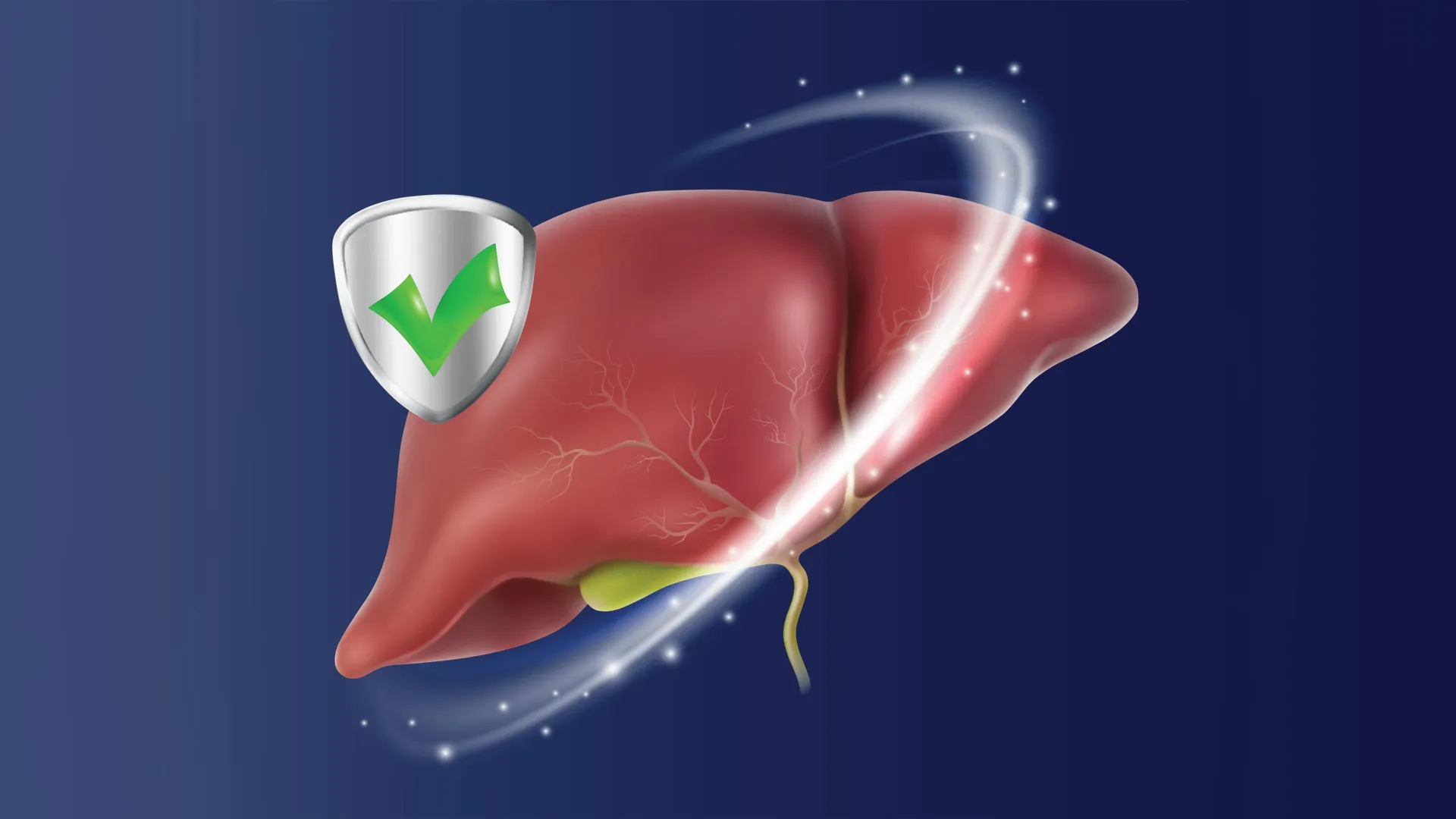
Beyond its positive impact on nutritional status, WUSTL0717 demonstrated a profound protective effect on the liver. Liver fibrosis, the excessive accumulation of scar tissue, is a hallmark of progressive liver disease and can severely impair hepatic function, eventually leading to cirrhosis and liver failure. Treated mice showed significantly reduced levels of collagen, a primary component of scar tissue, in their livers compared to both untreated mice and those that underwent a sham procedure (where the intestine was cut and reconnected without tissue removal). Further molecular analyses revealed that WUSTL0717 treatment led to a downregulation of genes specifically associated with fibrosis, including those responsible for collagen production, indicating that the compound actively intervenes in the fibrotic process at a genetic level. This robust evidence points towards a significant potential for WUSTL0717 to prevent or reverse the development of liver scarring, thereby preserving crucial liver function.
"Our overarching objective is to advance a therapeutic agent capable of safeguarding liver function and diminishing the need for liver transplants in individuals who have undergone small bowel surgery," stated Dr. Gwendalyn Randolph. "This study offers a highly promising pathway for the development of such a treatment, representing a critical step forward." Dr. Elgendy further emphasized the broader implications of their methodology: "Our future aim is to develop the next generation of tissue-specific therapies that maintain therapeutic benefits while minimizing unintended systemic effects. This precise strategy empowers us to revisit important biological targets that were previously considered too challenging to develop safely for widespread use."
The groundbreaking nature of these findings has prompted the researchers to file a patent through WashU’s Office of Technology Management (OTM) for the application of WUSTL0717 in the management of short bowel syndrome. The path forward involves several crucial next steps. Future studies will be designed to investigate the compound’s effectiveness in patients who are simultaneously receiving intravenous nutrition, a scenario that often places additional strain on the liver and could present unique challenges. This research will be vital in ensuring the compound’s utility across the full spectrum of SBS patient care.
Dr. Colin A. Martin, the Brad and Barbara Warner Endowed Professor of Surgery at WashU Medicine and a co-author of the study, underscored the transformative potential of this research: "The dire absence of dedicated therapies for patients suffering from short bowel syndrome has profound and often devastating implications for their long-term health and survival. These preclinical findings represent a crucial and encouraging leap forward in our collective goal of developing a treatment that not only safeguards vital liver function but also significantly improves nutrient absorption, thereby enhancing the overall quality of life for individuals affected by this challenging condition."
This pioneering work was made possible through substantial support from various esteemed organizations, including multiple grants from the National Institutes of Health, the Children’s Discovery Institute, and the Foundation for Barnes-Jewish Hospital. While the findings offer immense hope, it is also important to note that authors Kim A., Warner B., Elgendy B., and Randolph G. are part of an intellectual property claim related to the use of intestinal LXR agonists for treating SBS, specifically US Patent Application No. 18/997,728, entitled "Compositions for the Treatment of Intestinal Failure and Use Thereof." This disclosure ensures transparency regarding potential conflicts of interest as the research progresses toward clinical application. The development of WUSTL0717 marks a pivotal moment in gastroenterology and hepatology, offering a tangible promise of improved outcomes for a vulnerable patient population facing complex and life-threatening post-surgical complications.
About the Author