As individuals progress into their later years, the maintenance of physical autonomy and overall well-being becomes increasingly paramount. A cornerstone of this continued independence is robust core strength, a factor often underestimated yet critical for nearly every daily movement. However, the conventional wisdom surrounding core exercise, frequently emphasizing floor-based routines, often presents significant accessibility and comfort challenges for the demographic over sixty, potentially leading to inconsistency and diminished results. A burgeoning perspective within the fitness community, championed by certified trainers like Tyler Read, suggests a more effective and sustainable path lies in standing core routines, arguing they not only mitigate discomfort but also cultivate real-world functional strength more rapidly than traditional mat exercises.
The concept of "core strength" extends far beyond merely a visible six-pack; it encompasses the complex network of muscles surrounding the spine, pelvis, abdomen, and diaphragm. These muscles act as the body’s central stabilizer, providing a solid foundation for all limb movements, maintaining upright posture, and protecting the delicate spinal column. As people age, a natural process known as sarcopenia, or age-related muscle loss, can significantly impact these vital core muscles. This decline manifests in various ways, including compromised balance, increased susceptibility to falls, chronic lower back discomfort, and a general reduction in the ease and efficiency of everyday tasks such as walking, bending, or reaching overhead. For older adults, therefore, nurturing a strong, responsive core is not just about fitness; it’s about preserving quality of life, minimizing injury risk, and sustaining independence.
Traditional core strengthening protocols, frequently involving exercises like crunches, sit-ups, and planks performed on the floor, have long been the staple. While undeniably effective for certain populations, these movements can pose considerable obstacles for older individuals. The act of repeatedly getting down onto and rising from the floor can be physically demanding, straining hips, knees, and the lower back. Furthermore, many find the sustained positions of exercises like planks to be uncomfortable on wrists, shoulders, or even the neck, leading to pain that discourages regular participation. This physical discomfort often translates into a lack of adherence, which, as fitness experts observe, is the primary impediment to progress. If an exercise routine is not consistently performed, its potential benefits, however theoretically sound, remain largely unrealized. This crucial insight underscores the necessity for exercise modalities that prioritize both efficacy and user comfort, especially when targeting older demographics.
The pivot towards standing core exercises represents a significant shift in addressing these challenges. Tyler Read, a seasoned personal trainer with over fifteen years in health and fitness, has observed firsthand that clients experiencing the most substantial improvements in trunk stability are those who consistently engage with their chosen routines. Standing exercises, by their very nature, eliminate the barrier of floor transitions and often feel more natural. More importantly, they mirror the demands of daily life. The core’s most intensive work occurs while the body is upright, continuously stabilizing against gravity during walking, lifting, twisting, and maintaining balance. By training the core in an erect position, individuals are essentially teaching these muscles to perform their most critical functions precisely when they are needed: supporting the body during dynamic, real-world movements. This functional specificity allows for a more direct transfer of training benefits into improved mobility, posture, and balance in everyday scenarios, potentially accelerating the restoration of real-world core strength compared to exercises performed horizontally.
This innovative approach culminates in a highly efficient, targeted seven-minute regimen designed to build deep core integrity without the need for floor work. The philosophy underpinning this protocol emphasizes sustained muscular engagement, precise postural control, and deliberate execution over speed or momentum. Each segment of the routine focuses on maintaining continuous tension within the core musculature, ensuring maximum activation throughout the allocated time. Participants are encouraged to maintain an elongated posture, actively brace their midsection, and move with focused intention. Consistent application of this protocol is intended to progressively rebuild and fortify the foundational core strength essential for myriad activities.
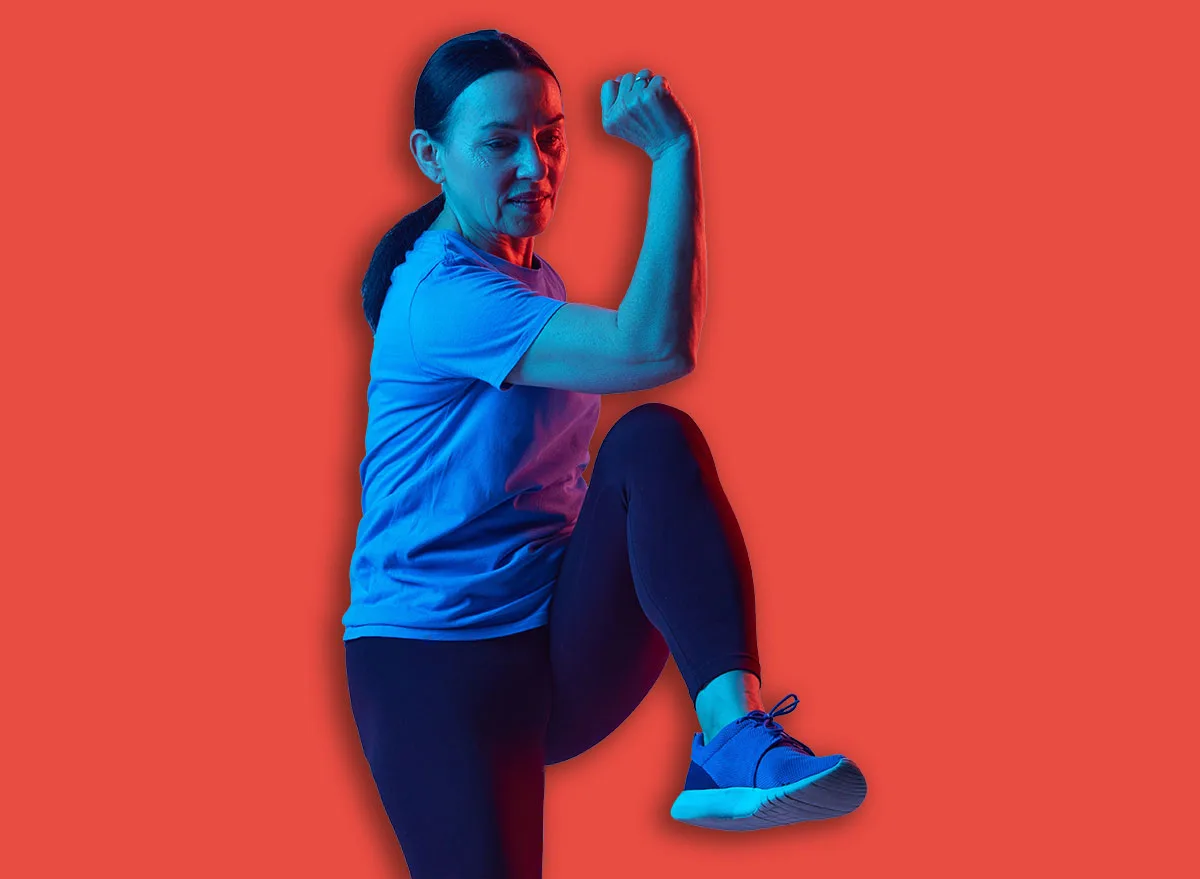
The first segment, spanning the initial two and a half minutes, introduces the Standing Knee Drive Hold. This foundational movement is engineered to specifically activate the lower abdominal region while simultaneously challenging one’s balance and reinforcing proper posture. For clients aiming to concurrently enhance coordination and abdominal resilience, this exercise proves exceptionally valuable. The act of holding one knee in a raised position compels the core to act as the primary stabilizer for the entire body, generating profound engagement throughout the lower abdominal muscles and hip flexors. When executed with precision, the sensation of the midsection working intensely often surpasses that experienced during many conventional floor-based exercises. A critical aspect of this exercise involves maintaining an unwavering upright posture. As muscular fatigue begins to set in, there is a natural tendency for the body to either lean backward or collapse forward. Resisting these impulses and maintaining a tall, aligned torso is where the true strengthening effect of this particular drill is realized.
Following this, from the two-and-a-half-minute mark to the five-minute point, the routine transitions to the Standing Cross-Body Crunch. This dynamic exercise comprehensively engages the entire abdominal wall, with a particular emphasis on developing rotational strength. This movement is highly valued for its ability to cultivate the precise kind of core control necessary for common daily activities that involve twisting and reaching, such as turning to look behind you, retrieving an object from a shelf, or stepping into and out of a vehicle. The coordinated motion of bringing an elbow towards the opposite knee necessitates the synergistic firing of both the oblique muscles and the lower abdominals. The efficacy of this exercise hinges critically on controlled execution. Rapid, jerky repetitions significantly diminish its effectiveness; instead, slow, methodical crunches are paramount. This deliberate pace ensures continuous muscular tension and superior activation across the targeted muscle groups. By maintaining a steady, measured rhythm, the core remains fully engaged and challenged throughout the entire interval, maximizing the exercise’s benefit.
The final two minutes, from the five-minute mark until the seven-minute conclusion, are dedicated to the Standing Anti-Rotation Hold (Hands Press). This concluding movement is designed to cultivate profound core stability by actively resisting extraneous movement, rather than initiating it. Anti-rotation drills are frequently integrated into advanced training programs due to their efficacy in fortifying the deep stabilizing muscles that safeguard the spine during a wide array of everyday motions. Here, the objective is not to bend or twist, but rather to sustain tension and actively prevent any rotational forces from affecting the torso. To perform this, individuals firmly press their hands together directly in front of their chest, maintaining this consistent pressure. As this isometric hold is sustained, the entire core musculature activates intensely to maintain the torso’s stability and prevent any unwanted rotation. While seemingly straightforward, when performed with focused intention and sustained effort, this exercise generates deep, enduring engagement within the core, contributing significantly to overall spinal health and stability.
In conclusion, the integration of a thoughtfully designed standing core regimen offers a compelling and practical solution for adults over sixty seeking to enhance their functional strength and stability. By addressing the common physical barriers associated with traditional floor exercises, this seven-minute protocol promotes greater consistency and, consequently, more tangible results. The emphasis on functional movements that mimic real-life demands ensures that the strength gained directly translates into improved balance, reduced incidence of back pain, enhanced mobility, and ultimately, a sustained capacity for independent living. This paradigm shift, advocating for accessible, effective, and discomfort-free core training, underscores a proactive approach to healthy aging, empowering individuals to maintain vitality and confidence in their physical capabilities well into their senior years. Tyler Read’s insights reinforce that consistent, intelligent engagement with appropriate exercise is the true key to unlocking enduring physical resilience.
About the Author