Tackling the Infodemic: A Coordinated Global Response to Health Misinformation

The emergence of the Coronavirus disease (COVID-19) marked a pivotal moment in human history, not only as a global health crisis but also as the first pandemic unfolding entirely within the digital age. While advanced technologies and pervasive social media platforms became indispensable tools for disseminating vital public health information, fostering connection, and maintaining productivity, they simultaneously facilitated and amplified an unprecedented deluge of misleading content. This phenomenon, termed an "infodemic," created a complex challenge that significantly undermined global efforts to contain the virus and protect populations. An infodemic is characterized by an overwhelming volume of information, spanning both online and offline channels, which includes both unintentionally inaccurate data (misinformation) and deliberately fabricated content (disinformation) designed to manipulate public perception, subvert public health directives, or advance specific agendas of groups or individuals.
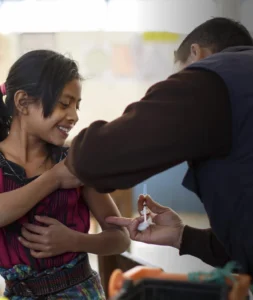
The pervasive spread of mis- and disinformation carried profound and multifaceted consequences, extending far beyond mere confusion. It posed direct threats to the physical and mental well-being of individuals, fueling anxiety, promoting fear, and even inciting panic. False narratives exacerbated existing societal prejudices, leading to increased stigmatization against certain communities or demographics perceived, often erroneously, as vectors of disease. Crucially, the erosion of trust in credible health authorities and scientific consensus directly jeopardized hard-won public health gains. When citizens lose faith in official guidance, adherence to critical preventative measures—such as vaccination campaigns, diagnostic testing protocols, and social distancing directives—plummeted, allowing the virus to propagate unchecked and diminishing the efficacy of national pandemic responses. The ultimate cost of unchecked misinformation was measured in human lives and prolonged suffering. Without a foundation of public trust built on accurate, verifiable information, the essential mechanisms for pandemic control, like widespread testing and comprehensive immunization programs, failed to reach their targets, providing fertile ground for the pathogen to thrive.
Beyond the immediate health implications, the infodemic had far-reaching societal and political ramifications. Disinformation campaigns actively polarized public discourse surrounding COVID-19, fragmenting communities and fostering deep divisions. This environment proved ripe for the amplification of hate speech, targeting healthcare workers, scientists, and minority groups, thereby exacerbating social tensions. Such divisions heightened the risk of civic unrest, violence, and severe human rights violations, as fear and suspicion replaced rational dialogue. In the long term, these corrosive effects threatened the fundamental tenets of democratic governance, undermined trust in institutions, and eroded the very fabric of social cohesion, impacting the prospects for a stable and equitable future.
Recognizing the gravity of this digital contagion, the international community mobilized to address the infodemic as a parallel crisis requiring urgent attention. In April 2020, the United Nations Secretary-General initiated the United Nations Communications Response, a strategic initiative specifically designed to counter the widespread propagation of mis- and disinformation related to the pandemic. This was swiftly followed by the issuance of a comprehensive UN Guidance Note on Addressing and Countering COVID-19 related Hate Speech on May 11, 2020, underscoring the interconnectedness of information integrity and human rights. These early interventions highlighted a growing consensus that managing the information environment was as crucial as managing the viral spread itself.
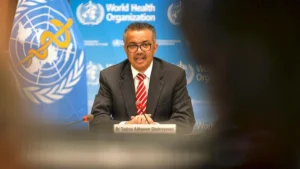
Further solidifying this global commitment, Member States of the World Health Organization (WHO) collectively endorsed Resolution WHA73.1 on the COVID-19 response during the 73rd World Health Assembly in May 2020. This landmark resolution explicitly acknowledged that the effective management of the infodemic constituted an indispensable component of controlling the COVID-19 pandemic. It outlined clear directives for Member States, urging them to proactively provide accurate, reliable COVID-19-related content grounded in scientific evidence and to implement robust measures to combat mis- and disinformation. The resolution also emphasized leveraging digital technologies responsibly across all facets of the pandemic response. Furthermore, it called upon international organizations to intensify their efforts in addressing mis- and disinformation within the digital sphere, to actively prevent harmful cyber activities that could undermine health responses, and to ensure the public received timely, science-based data. This resolution provided a robust framework for a coordinated, multi-sectoral approach to infodemic management.
The United Nations system, in collaboration with a vast network of civil society organizations, pooled its collective expertise and knowledge to respond to the infodemic. However, as the pandemic persisted, generating ongoing uncertainty and widespread anxiety, the need for more vigorous action and a highly coordinated strategy became undeniably apparent. This demanded collaborative efforts among nation-states, multilateral organizations, civil society groups, and all other stakeholders who bore a distinct role and responsibility in countering mis- and disinformation. The complexity of the challenge necessitated a holistic approach that transcended traditional boundaries of public health.
In light of these urgent demands, a series of critical actions were proposed for Member States. Firstly, they were called upon to develop and rigorously implement comprehensive national action plans specifically tailored for infodemic management. These plans needed to prioritize the timely and equitable dissemination of accurate, evidence-based scientific information to all communities, with particular emphasis on reaching high-risk and vulnerable populations who might be more susceptible to misleading narratives or have limited access to reliable sources. Concurrently, these plans had to include proactive strategies for preventing the proliferation of mis- and disinformation and actively combating its spread, all while meticulously upholding the fundamental principle of freedom of expression. This delicate balance required careful consideration, ensuring that efforts to control harmful content did not inadvertently suppress legitimate public discourse or critical scrutiny.
Secondly, Member States were strongly urged to foster genuine engagement and active listening within their communities as they formulated these national action plans. This bottom-up approach recognized that effective solutions are often co-created. Empowering communities meant not only providing them with accurate information but also equipping them with the tools, critical thinking skills, and platforms necessary to develop their own localized solutions and build resilience against the insidious influence of mis- and disinformation. This involved understanding local concerns, cultural nuances, and existing trust dynamics to tailor communication strategies for maximum impact.
Finally, the call to action extended to a broader spectrum of stakeholders beyond governmental bodies. This encompassed the media, which plays a pivotal role in responsible reporting and fact-checking; social media platforms, which serve as primary conduits for the dissemination of information (and misinformation) and thus bear a significant ethical responsibility for content moderation, algorithmic transparency, and user safety; researchers and technologists, who are instrumental in designing and building effective strategies and analytical tools to detect, track, and counter infodemic trends; and civil society leaders and influential voices, who possess unique credibility and reach within their respective communities. All these entities were urged to intensify their collaboration with the UN system, with Member States, and with each other. Strengthening these multi-sectoral partnerships was identified as paramount to collectively disseminating accurate information, bolstering public trust, and effectively mitigating the harmful spread of mis- and disinformation, thereby safeguarding global health and societal well-being in an increasingly interconnected world. The ongoing nature of this challenge underscores the need for sustained vigilance, adaptive strategies, and unwavering global solidarity.

Related News