Global Health Authorities Launch Landmark Inquiry into COVID-19 Pandemic Management
The World Health Organization (WHO) has officially inaugurated a major, independent investigative body tasked with scrutinizing the worldwide response to the unprecedented COVID-19 pandemic. This pivotal initiative, known as the Independent Panel for Pandemic Preparedness and Response (IPPPR), marks a critical juncture in the global health community’s efforts to assimilate crucial lessons from a crisis that has reshaped societies and economies across the planet. The announcement underscores a collective commitment from WHO Member States to undertake a thorough and impartial examination of both successes and shortcomings in the international handling of the viral outbreak.
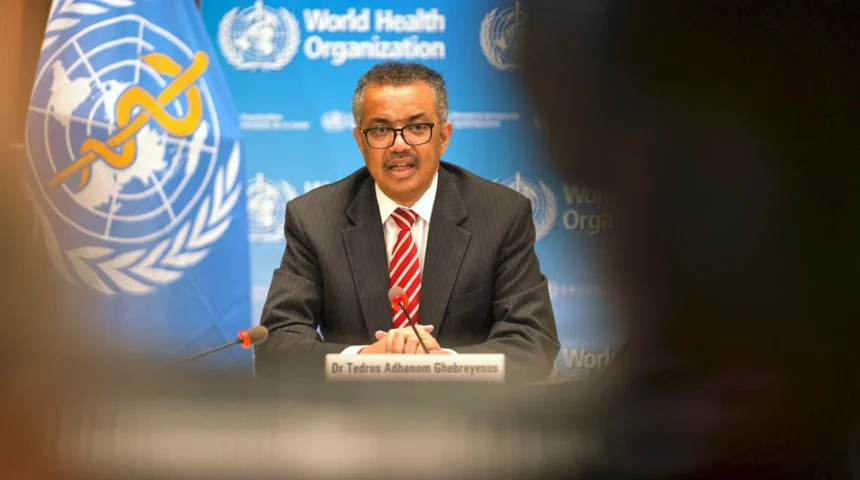
At the helm of this crucial endeavor are two globally recognized figures: Helen Clark, former Prime Minister of New Zealand and past Administrator of the United Nations Development Programme (UNDP), and Ellen Johnson Sirleaf, former President of Liberia and a Nobel Peace Laureate. Their appointment as co-chairs was revealed by WHO Director-General Dr. Tedros Adhanom Ghebreyesus during a briefing to Member States, emphasizing their distinguished careers in public service, international diplomacy, and crisis leadership. Dr. Tedros articulated profound confidence in their abilities, stating that their robust intellects and independent spirits were indispensable for navigating such a complex and vital learning exercise. These selections followed an extensive consultation process involving numerous member nations and leading global experts, ensuring a foundation of broad consensus and legitimacy for the Panel’s work.
The mandate for this comprehensive assessment originated from a landmark resolution adopted by WHO Member States during the historic 73rd World Health Assembly in May. This assembly, held virtually amidst the escalating pandemic, saw nations unanimously call for an impartial and all-encompassing evaluation to distil critical insights from the international public health response to the novel coronavirus. The resolution reflected a global consensus on the imperative for deep introspection and a robust mechanism to identify areas for improvement in future pandemic preparedness and response strategies. The establishment of the IPPPR directly addresses this call, signaling the WHO’s dedication to accountability and continuous improvement in global health security.
Operating with complete autonomy, the co-chairs, Ms. Clark and Ms. Sirleaf, bear the responsibility for constituting the remainder of the Panel’s membership. They will also oversee the establishment of an independent secretariat, which will provide essential logistical and analytical support to the Panel’s operations. This structural independence is paramount to ensuring the Panel’s credibility and its ability to deliver an unbiased assessment, free from undue influence. The composition of the Panel is expected to reflect a diverse array of expertise, encompassing public health, epidemiology, economics, social sciences, and international law, to provide a holistic perspective on the pandemic’s multifaceted impact and response.
Dr. Tedros highlighted the profound gravity of the situation, underscoring that the sheer scale of the COVID-19 pandemic, which has permeated virtually every corner of the globe, demands an evaluation of commensurate scope and depth. He characterized this period as an opportune moment for collective introspection, urging the international community to critically assess the contemporary global landscape and devise enhanced collaborative frameworks to safeguard lives and bring the ongoing pandemic under control. This sentiment underscores the urgency and importance placed on the IPPPR’s findings, which are anticipated to inform fundamental reforms in global health governance and operational capabilities.
The Panel’s work is structured around a clear timeline for reporting its findings. A special session of the WHO Executive Board has been proposed for September to review the Panel’s initial progress. Following this, an interim report containing preliminary observations and recommendations is slated for presentation at the resumed session of the World Health Assembly in November. Further discussions concerning the Panel’s evolving work will take place during the Executive Board’s regular session in January of the following year. The culmination of this extensive undertaking will be the presentation of the Panel’s substantive, comprehensive report at the World Health Assembly in May, which will lay out detailed findings and strategic recommendations for improving global preparedness and response mechanisms. This phased reporting approach is designed to allow for ongoing dialogue and to integrate preliminary insights into real-time decision-making processes, while ensuring a thorough and well-considered final analysis.
The scope of the IPPPR’s evaluation is expected to be broad, encompassing various critical aspects of the global response. This includes, but is not limited to, the efficacy of the International Health Regulations (IHR) in facilitating early detection and response, the speed and scale of international cooperation in research and development for diagnostics, therapeutics, and vaccines, the robustness of global supply chains for essential medical equipment, and the equity of access to health interventions. It will also likely examine the impact of national policies on transmission and mortality rates, the socio-economic repercussions of lockdowns, and the communication strategies employed by various stakeholders. By delving into these interconnected areas, the Panel aims to provide a granular understanding of what worked, what did not, and why, paving the way for evidence-based reforms.
Beyond the immediate crisis, Dr. Tedros also used the announcement to frame the pandemic within a broader context of pressing global challenges. He emphasized that even while actively combating COVID-19, humanity must concurrently brace itself for future health emergencies and confront other significant contemporary threats. These include the escalating crisis of antimicrobial resistance, persistent global inequalities, and the existential dangers posed by climate change. The pandemic, he argued, has starkly illuminated the interconnectedness of these issues and the profound vulnerabilities inherent in current global systems. He posited that while COVID-19 has exacted an immense toll, it simultaneously presents an unparalleled opportunity to transcend past limitations and reconstruct a more resilient, equitable, and sustainable global infrastructure. This "build back better" philosophy extends beyond health systems to encompass broader societal and environmental considerations, advocating for a holistic approach to global well-being.
It is important to note that the IPPPR’s work complements the ongoing activities of other established oversight bodies. The Director-General confirmed that the Independent Oversight and Advisory Committee for the WHO Health Emergencies Programme will continue its existing functions, providing continuous scrutiny and guidance on the WHO’s emergency operations. This layered approach to oversight ensures multiple avenues for evaluation and accountability, reinforcing the commitment to robust scrutiny and continuous improvement within the global health framework. The collective insights from these various evaluations are expected to converge, providing a comprehensive blueprint for fortifying the world’s defenses against future health threats and fostering a more resilient global community.

Related News