The pursuit of sustained physical capability, particularly as individuals navigate the later stages of life, frequently centers on the bedrock of core strength. Beyond mere aesthetic appeal, a robust core is fundamental to preserving autonomy, mitigating injury risks, and enhancing overall quality of life. Among the myriad exercises available, the simple yet profoundly effective bridge stands out as a foundational movement, celebrated by fitness professionals for its capacity to foster functional strength that translates directly into everyday activities. This bodyweight exercise, often underestimated, holds significant potential for individuals of all ages, offering a particularly valuable metric for physical prowess in the over-55 demographic.
As we progress through different life stages, the human body undergoes natural changes, including a gradual decline in muscle mass and bone density, a phenomenon known as sarcopenia. This physiological shift often impacts the core musculature, which comprises a complex network of muscles encompassing the abdomen, back, hips, and pelvic floor. These muscles work synergistically to stabilize the spine, facilitate movement, and transfer power between the upper and lower body. When core strength diminishes, individuals may experience increased vulnerability to lower back pain, compromised balance, and a reduced capacity to perform routine tasks such as lifting objects, bending, or even simply standing upright for extended periods. This makes the deliberate cultivation of core strength not just beneficial, but essential for healthy aging.
A notable benchmark for assessing core resilience in older adults highlights the bridge exercise. According to Nico Gonzalez, an esteemed Balanced Body Educator and Global Movement Trainer & Educator, certified by both the American Council on Exercise (ACE) for Personal Training and the National Pilates Certification Program (NCPT), the ability to maintain a proper bridge position for a specific duration after the age of 55 signifies a core strength level superior to that of 90% of one’s contemporaries. While the precise duration of this benchmark can vary based on individual fitness levels and specific program goals, a sustained, controlled hold of approximately 60 seconds is often considered an impressive feat, indicative of exceptional core stability and muscular endurance for this age group. This statistic underscores the profound impact of consistent, targeted exercise on maintaining a high degree of physical function well into one’s senior years.
The effectiveness of the bridge exercise stems from its comprehensive engagement of multiple muscle groups critical for both stability and movement. Primarily, it targets the gluteal muscles (gluteus maximus, medius, and minimus) and the hamstrings, which are powerful extensors of the hip and flexors of the knee. These posterior chain muscles are often underactive in modern lifestyles characterized by prolonged sitting, leading to imbalances and weakness that can contribute to lower back pain and impaired athletic performance. By activating these muscles, the bridge helps to counteract the effects of a sedentary lifestyle, promoting strength and flexibility in the hips and pelvis.
Beyond the glutes and hamstrings, the bridge actively recruits the deep core stabilizers, including the transverse abdominis, multifidus, and pelvic floor muscles. These muscles form a natural corset around the torso, providing internal support for the spine. Unlike more isolated abdominal exercises like crunches, the bridge promotes spinal stability under load, meaning it teaches the core to brace and protect the spine while other body parts are in motion or resisting gravity. This is what fitness experts refer to as "functional strength" – the kind of strength that enables effortless execution of daily activities rather than merely improving the appearance of abdominal muscles. Mr. Gonzalez himself attests to this functional benefit, explaining that after 25 years of teaching Pilates, the bridge remains his go-to exercise because it directly addresses the practical demands of his physically active life, allowing him to carry equipment, rise from the floor unassisted, and teach multiple classes daily without experiencing debilitating back discomfort.
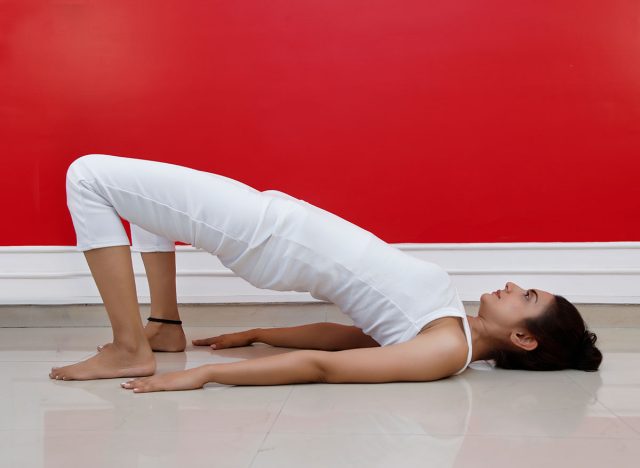
For those looking to integrate this powerful exercise into their routine, mastering the proper form is paramount to maximizing benefits and preventing injury. To perform a standard bridge:
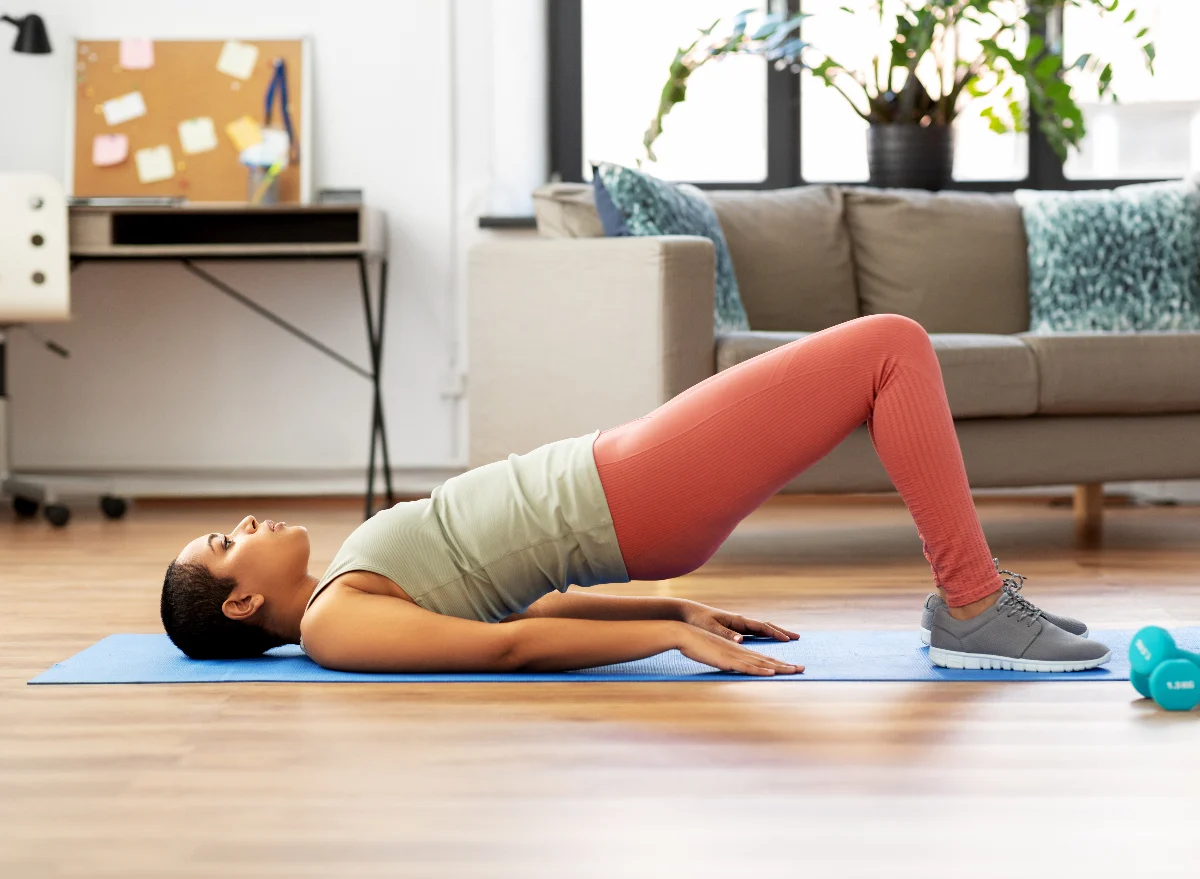
- Starting Position: Lie flat on your back on a comfortable surface, such as a yoga mat. Bend your knees, keeping your feet flat on the floor, hip-width apart, and positioned close enough to your buttocks that you can just graze your heels with your fingertips. Ensure your arms rest alongside your body, palms facing down.
- Core Engagement: Before initiating the lift, take a deep breath in. As you exhale, gently draw your navel towards your spine, engaging your abdominal muscles without flattening your lower back excessively into the floor. This pre-activation helps stabilize the core.
- The Lift: Press firmly through your heels and the entire sole of your feet. Slowly peel your spine off the mat, one vertebra at a time, starting from your tailbone. Lift your hips towards the ceiling until your body forms a straight line from your shoulders to your knees. Avoid arching your lower back; instead, focus on lengthening your spine and engaging your glutes at the top of the movement.
- Hold: At the peak of the bridge, consciously squeeze your glutes. Ensure your knees remain hip-width apart and don’t splay outwards or collapse inwards. Maintain a neutral neck position, keeping your gaze towards the ceiling. Hold this position for the desired duration, breathing steadily throughout.
- Descent: With control, slowly lower your hips back down to the mat, reversing the movement by articulating your spine down one vertebra at a time, until your tailbone gently touches the floor.
For beginners, the focus should be on establishing a solid foundation of form and control. Aim to hold the classic bridge position for 20 to 30 seconds per repetition, performing two to three sets. If any discomfort is felt in the lower back, it often indicates insufficient glute activation or overcompensation by the lumbar extensors. A helpful modification is to place a small Pilates ball or a rolled towel between the knees and gently squeeze it throughout the exercise. This simple cue encourages greater engagement of the adductor muscles and, consequently, the deeper gluteal muscles, taking pressure off the lower back.
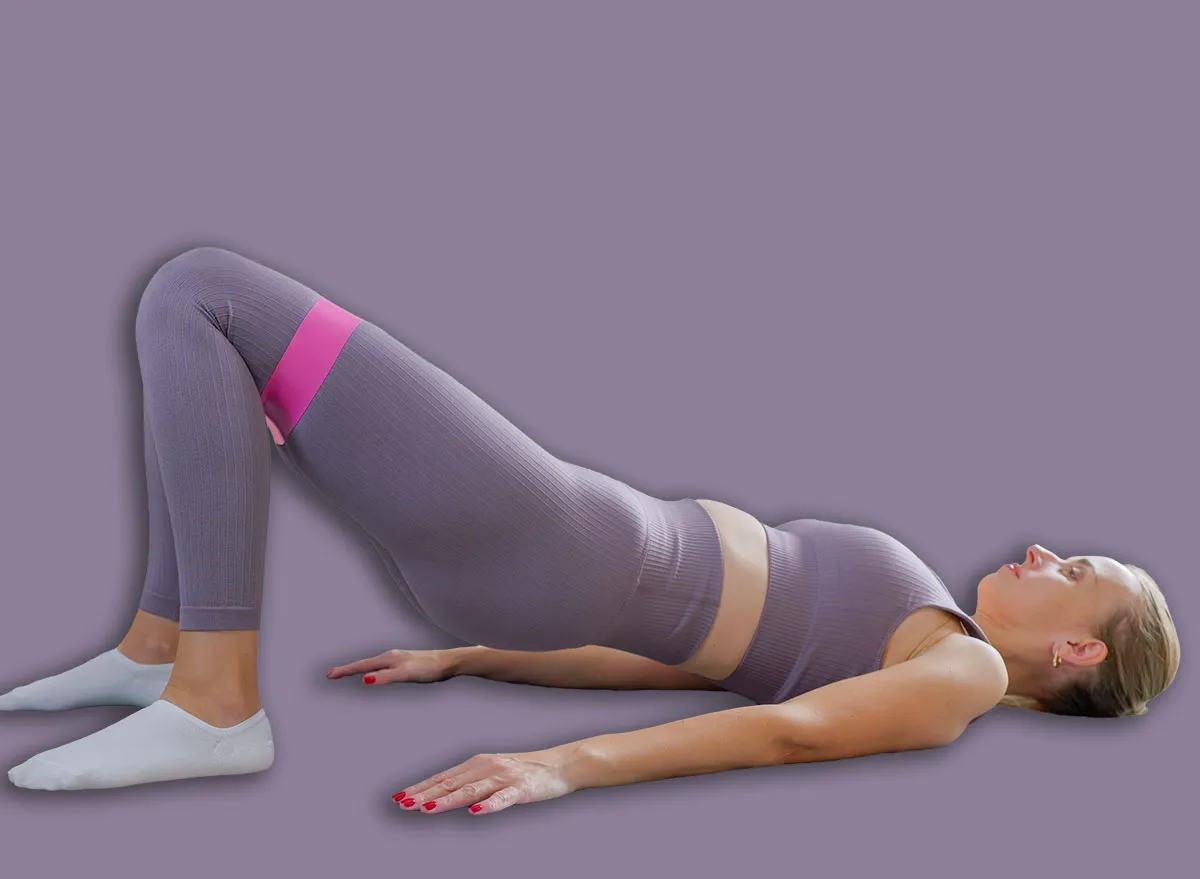
As strength and control improve, individuals can explore various progressions to further challenge their core and lower body. Adding a resistance band just above the knees provides external resistance, forcing the glutes to work harder to prevent the knees from collapsing inward. Performing the bridge on an unstable surface, such as a folded towel, a Bosu ball, or a Pilates pad, significantly increases the demand on the stabilizing muscles throughout the core and hips, enhancing proprioception and balance. More advanced variations include the single-leg bridge, where one leg is extended while the other supports the lift, or incorporating weights (e.g., a dumbbell across the hips) to increase the load. Another effective progression is the marching bridge, where while holding the bridge position, one foot is lifted slightly off the floor, then alternated, demanding constant stability.
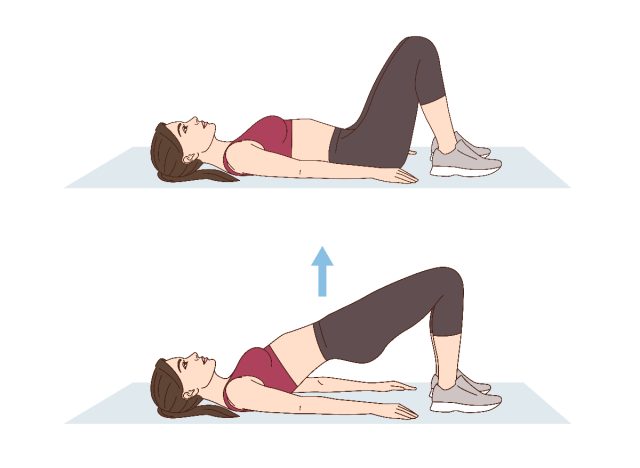
The benefits of consistently performing the bridge exercise extend far beyond achieving a particular hold time. It plays a pivotal role in injury prevention, particularly reducing the incidence of lower back pain, which affects a vast percentage of the adult population. By strengthening the glutes and hamstrings, which are often among the first muscle groups to weaken with age, the bridge helps protect the knee and hip joints from undue stress. Its low-impact nature makes it a safe and accessible exercise for individuals of all fitness levels, including those recovering from injuries or managing chronic conditions, minimizing strain on delicate joints.
Ultimately, the bridge embodies the principle of building "real, usable strength" – the kind that empowers individuals to navigate the physical demands of life with confidence and ease. It fosters resilience, enhances balance, and promotes better posture, all critical components of an active and independent lifestyle. Integrating this fundamental movement into a regular fitness regimen, alongside a balanced approach to nutrition and overall well-being, can significantly contribute to maintaining physical vitality and enjoying a higher quality of life, irrespective of age. The bridge is not just an exercise; it’s an investment in lifelong functional capacity.
About the Author