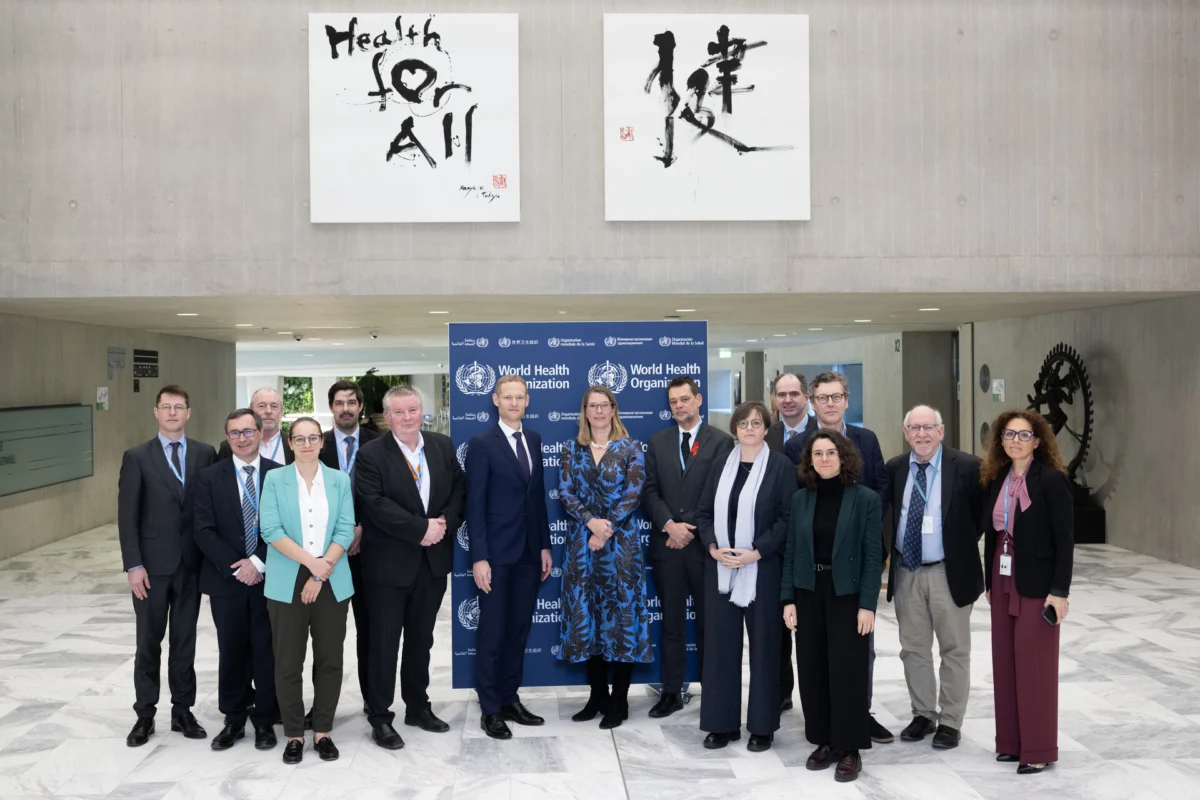
Geneva recently hosted a pivotal three-day strategic dialogue between high-level representatives from Belgium and the World Health Organization (WHO), signaling a renewed commitment to tackling pressing global health challenges through an invigorated partnership. This comprehensive series of discussions served as a crucial platform to meticulously review the enduring collaboration between the two entities, culminating in a shared vision to significantly amplify joint efforts across critical domains such as universal health coverage, the fortification of health systems, and the equitable distribution of vital vaccines, essential medicines, and innovative health technologies. The evolving landscape of global health, marked by emergent threats and persistent inequities, underscored the imperative for such a candid and forward-looking exchange, aiming to seamlessly integrate WHO’s overarching strategic directions with Belgium’s national development cooperation priorities.
The Belgian delegation, led by H.E. Christophe Payot, Ambassador of Belgium to the United Nations and other international organizations in Geneva, comprised a diverse group of representatives from the Federal government, alongside officials from the Flemish and Walloon regional governments. This broad national representation highlighted Belgium’s unified and comprehensive approach to its international commitments. From the WHO’s side, leadership and technical experts from its headquarters were joined by counterparts from the Regional Offices for Africa and Europe, ensuring a global perspective on the implementation and impact of collaborative initiatives. The dialogue facilitated an exchange of updates on how Belgium’s support had illuminated key global health areas during its presidency of the Council of the European Union in 2024, demonstrating its proactive stance in shaping international health agendas.
At the core of the discussions was the urgent need to advance Universal Health Coverage (UHC), a foundational principle that seeks to ensure all people have access to the health services they need, when and where they need them, without financial hardship. Achieving UHC is not merely about providing medical treatment; it encompasses a robust health system that integrates preventive, promotive, curative, rehabilitative, and palliative care, ensuring equitable access and financial protection for everyone. Participants extensively reviewed the tangible progress achieved by the UHC-Partnership, a key initiative supported by Belgium, examining results from 2021 to 2024, particularly within Belgium’s partner countries. This retrospective analysis paved the way for exploring avenues to enhance collaboration at the country level. A potential alignment between WHO country office programmes and Belgium’s bilateral cooperation at the national level emerged as a promising strategy to maximize impact and streamline resource utilization. The Democratic Republic of Congo (DRC) served as a compelling case study, offering a summary of the intricate work and inherent challenges encountered on the ground. Furthermore, the visitors gained insights into WHO’s policies and ongoing work regarding mental health integration within primary health care, recognizing the increasing global burden of mental health conditions and the imperative for accessible, integrated care.
A significant portion of the strategic dialogue focused on the critical issue of equitable access to essential health technologies, including vaccines, medicines, and diagnostic tools. The COVID-19 pandemic starkly exposed the profound disparities in access to these life-saving resources, highlighting the urgent need for systemic change. The partners meticulously reviewed the current status and notable achievements of Belgium’s "Access to Medicines programme," a flagship initiative designed to bridge these access gaps. WHO experts elaborated on their efforts and the obstacles encountered, presenting a detailed example of country-level implementation in Senegal. This included discussions on strengthening regulatory frameworks, enhancing supply chain management, and fostering local production capabilities, which are vital for building sustainable health security. Both parties unequivocally recognized the shared objective of ensuring the long-term sustainability of the Access to Medicines initiative, emphasizing that strategic "market shaping" — interventions designed to improve the functioning of health markets — is absolutely pivotal for sustained success. This involves addressing issues of pricing, procurement, and intellectual property to ensure affordability and availability for all.

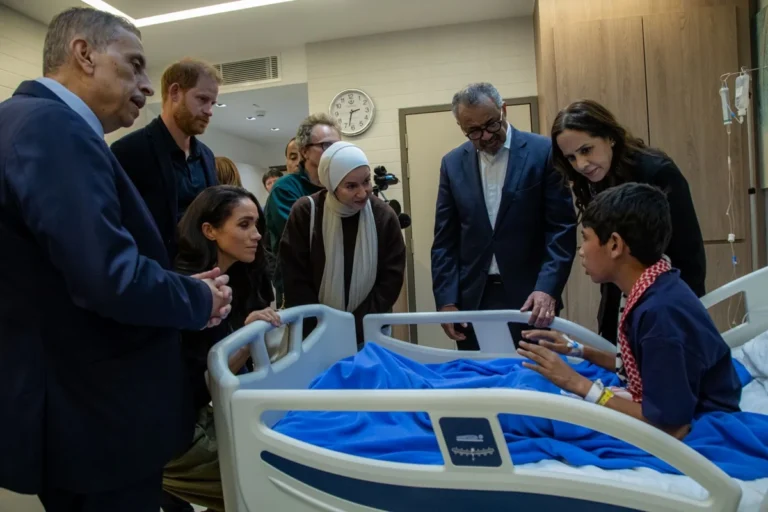
Another paramount theme was the global architecture for health emergency prevention, preparedness, response, and resilience (PPR). The world continues to grapple with the aftermath of recent pandemics and the looming threat of future health crises, making robust PPR mechanisms indispensable. Discussions encompassed WHO’s central role in reinforcing this architecture, including the intricate negotiations surrounding the proposed pandemic agreement. This landmark international instrument aims to create a legally binding framework for global cooperation during health emergencies, ensuring more equitable access to countermeasures and strengthening global surveillance systems. The "One Health approach" was also extensively deliberated, acknowledging that human health is intrinsically linked to animal health and the environment. This holistic perspective is crucial for addressing threats posed by the acceleration of biological risks and zoonoses – diseases transmitted from animals to humans. WHO’s engagement in risk mitigation strategies, from early detection to rapid response, was highlighted as a cornerstone of global health security. The stark realities of WHO’s crucial field work on health emergency response were powerfully demonstrated through a presentation of its ongoing activities in Gaza, underscoring the immense challenges of delivering humanitarian health aid in complex conflict zones.
Beyond these core pillars, the strategic dialogue also encompassed a review of progress in other vital areas of collaboration where Belgium provides substantial support to WHO programmes. These included initiatives targeting Neglected Tropical Diseases (NTDs), a group of diverse conditions predominantly affecting impoverished populations in tropical and subtropical regions, and Sexual, Reproductive Health and Rights (SRHR). These discussions consistently underscored the paramount importance of an evidence-based approach in developing and implementing interventions, ensuring that programmes are effective, efficient, and tailored to specific needs. The commitment displayed by the Belgian delegation, through the active participation of representatives from federal, Flemish, and Walloon governments, was deeply appreciated by WHO, signifying a united national front in global health diplomacy. Dr. Catharina Boehme, Assistant Director-General for External Relations and Governing Bodies at WHO, expressed profound gratitude for Belgium’s steadfast support, honesty, and robust engagement, citing collaborative efforts in Mozambique and Senegal as clear examples of the critical work being accomplished together.
Looking ahead, the partners dedicated significant time to charting the future trajectory of the Belgium-WHO collaboration framework and their multi-year agreement. This forward-looking discussion included tangible progress towards establishing a renewed WHO-Belgium Country Cooperation Strategy, an essential document that will guide their joint efforts at the national level. The enhanced collaboration is envisioned to provide substantial impetus to a strong global health agenda, particularly under the ambit of WHO’s 14th General Programme of Work (GPW14). A shared consensus emerged that UHC and health systems strengthening, being central to the ambitions articulated within GPW14, would be considered essential scope in WHO’s ongoing prioritization efforts.
Mr. Koen Van Acoleyen, Minister Counselor at the Permanent Representation of Belgium to the UN, reflected on the insights gained: "After listening to the leaders and experts of WHO, we now possess a clearer understanding of how they navigate these exceptionally challenging times. We are truly honored to walk this road together." This sentiment was echoed by Mr. Dirk Brems, Director of Thematic and Multilateral Cooperation at Belgium’s Directorate-General Development Cooperation and Humanitarian Aid, who affirmed Belgium’s trust in WHO: "We recognize WHO as a trustworthy partner in global health. We felt a deep sense of pride hearing how crucial our support is to the Organization and the positive impact it is generating at country, regional, and global levels." He further emphasized the ongoing necessity of such dialogues: "It’s imperative that we continue these discussions as we traverse uncharted territories, and we eagerly anticipate working together for strong and sustained multilateralism." This strategic dialogue thus marks not merely a review of past achievements but a powerful reaffirmation of a shared vision and an actionable commitment to forging a healthier, more equitable future for all through robust, collaborative action.
About the Author