A groundbreaking investigation conducted by Northwestern Medicine has unveiled a novel mechanism by which products of gut bacterial metabolism can impart a persistent immunological advantage to the cells lining the intestine. This significant research, published in the esteemed journal Nature Communications, suggests that specific compounds generated when beneficial gut microbes process dietary fiber can leave an enduring biological signature on intestinal epithelial cells. This cellular modification appears to foster a state of immune tolerance within the gut, potentially offering protection against inflammatory conditions, even long after the initial exposure to these microbial derivatives has ceased. The implications of this discovery could profoundly reshape our understanding of chronic inflammatory bowel diseases (IBD) and pave the way for innovative treatment strategies.
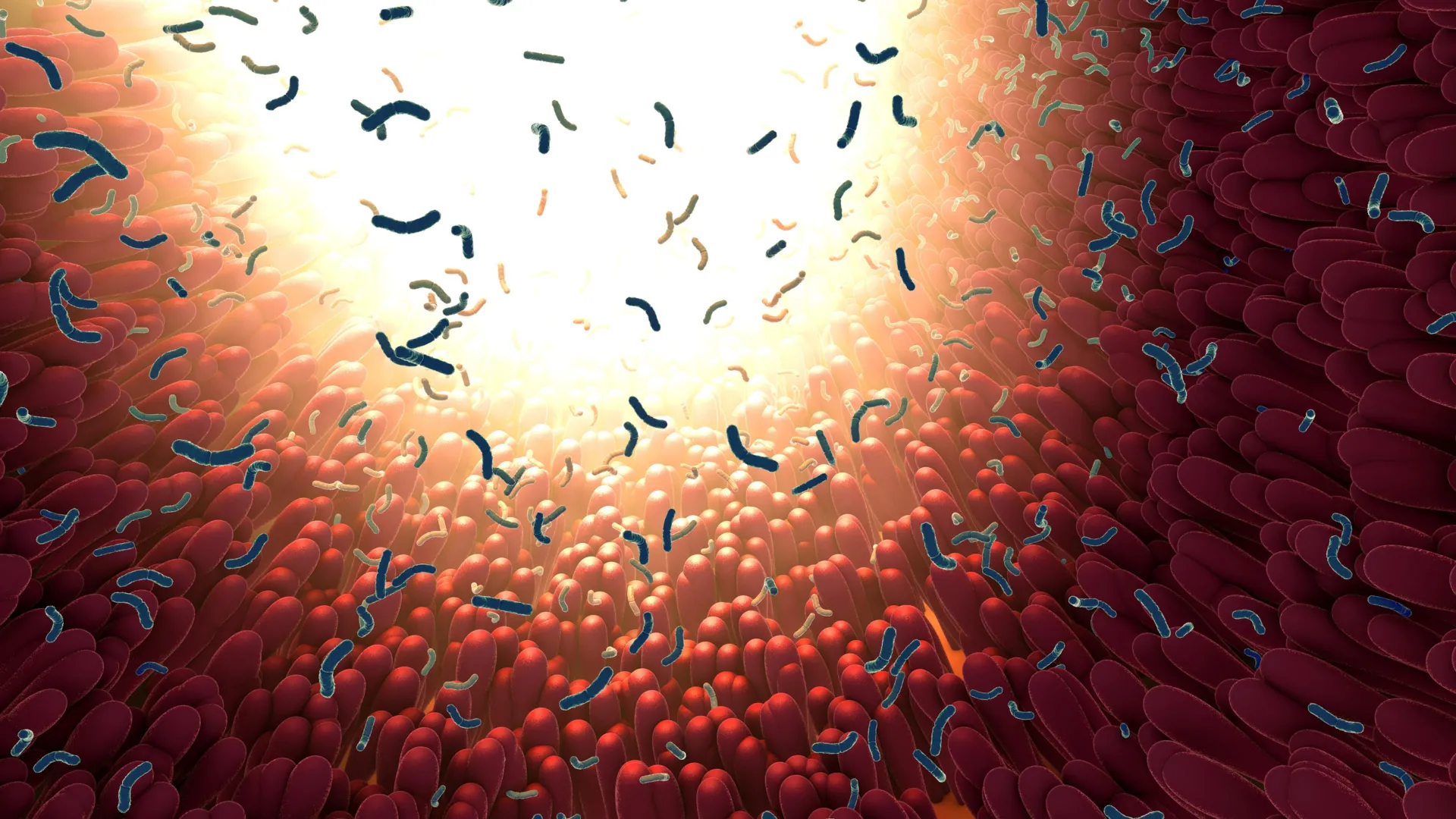
The human gastrointestinal tract is a complex ecosystem, home to trillions of microorganisms collectively known as the gut microbiome. This microbial community plays a pivotal role in human health, influencing digestion, nutrient absorption, and, crucially, immune system development and regulation. Disturbances in this delicate balance are frequently implicated in a spectrum of chronic illnesses, including autoimmune disorders and inflammatory bowel diseases like Crohn’s disease and ulcerative colitis. For decades, scientists have recognized the anti-inflammatory potential of certain microbial metabolites, particularly short-chain fatty acids (SCFAs) produced during the fermentation of dietary fiber. However, the precise mechanisms through which these compounds exert their long-term beneficial effects have remained a subject of intense scientific inquiry.
Among the various SCFAs, butyrate stands out for its well-documented anti-inflammatory properties within the intestine. It is generated by specific gut bacteria as they metabolize complex carbohydrates and dietary fiber. Previous research has shown that butyrate can directly influence immune cells, modulating their activity to reduce inflammation. Yet, a fundamental question persisted: given that a substantial portion of butyrate is rapidly absorbed and metabolized by the intestinal epithelial cells (IECs) – the cells forming the inner lining of the gut – how much free butyrate actually reaches the underlying immune cells to exert a direct, sustained influence? This key mechanistic gap prompted researchers, including Dr. Tianming Yu, a research assistant professor of Medicine in the Division of Gastroenterology and Hepatology, and Dr. Yingzi Cong, the Stanley Gradowski Professor of Gastroenterology and a professor of Microbiology-Immunology and of Pathology, to explore an alternative pathway. They hypothesized that butyrate might first interact with IECs, which then, in turn, regulate intestinal immunity.
To investigate this hypothesis, the research team embarked on a series of meticulously designed experiments using mouse models. They administered butyrate to mice via their drinking water for a defined period, after which the treatment was discontinued. A critical observation emerged two weeks after the cessation of butyrate supplementation: the CD4+ T-cells in these mice continued to produce elevated levels of interleukin-10 (IL-10). IL-10 is a crucial anti-inflammatory cytokine, a signaling molecule that plays a vital role in suppressing immune responses and maintaining immune homeostasis within the intestine. Its sustained production suggested a lasting immunological change.
Furthermore, the mice that had received prior butyrate treatment exhibited significantly enhanced resilience to chemically induced colitis, an experimental model mimicking human IBD. Compared to their untreated counterparts, these animals experienced less pronounced weight loss, demonstrated lower concentrations of inflammatory markers in their tissues, and developed considerably less severe tissue damage within the colon. This protective effect, the study confirmed, was critically dependent on functional IL-10 signaling, underscoring the cytokine’s central role in the observed immune benefits.
A pivotal aspect of the study involved determining whether this enduring protection was due to a lingering alteration in the gut microbiome itself. To address this, experiments were conducted using germ-free mice, which, by definition, lack any microbial inhabitants. Remarkably, even in these sterile environments, butyrate administration still induced a persistent immune-regulatory state. This finding strongly indicated that the lasting impact of butyrate on intestinal immunity was not contingent on continuous microbial presence or shifts in the gut microbial composition but rather on a more intrinsic modification within the host’s intestinal cells. As Dr. Yu articulated, "This effect was also observed in germ-free mice, suggesting that butyrate can establish a lasting intestinal environment that does not depend on continuous microbial stimulation."
With the focus shifting towards the host’s own cells, the researchers turned their attention to intestinal epithelial cells (IECs). These cells form the primary physical and immunological barrier separating the body’s internal environment from the vast array of microorganisms and dietary components within the gut lumen. Historically, IECs have been viewed primarily as transient responders, rapidly reacting to external stimuli but not retaining long-term memory. However, the Northwestern team’s findings challenged this conventional wisdom. In laboratory settings, epithelial cells that had been exposed to butyrate subsequently induced a marked increase in IL-10 production in both mouse and human T-cells. This observation was further refined by demonstrating that the cell culture supernatant, or "conditioned medium," from butyrate-treated IECs possessed a potent ability to stimulate IL-10-producing CD4+ T-cells in both murine and human T-cell cultures. This provided compelling evidence that IECs, after interacting with butyrate, secrete specific immunoregulatory factors that then act upon T-cells.
To identify these elusive signaling molecules, the team employed metabolomic analysis, a technique used to study small molecules, or metabolites, within cells or biological samples. Their investigation pinpointed N1-acetylspermidine as a strong candidate. This compound was found to enhance IL-10 production in T-cells and appeared to account for a substantial portion of the immune-regulating activity observed in the epithelial cell-conditioned medium.
Delving deeper into the molecular intricacies, the researchers uncovered the precise pathway. Butyrate, they discovered, acts directly on IECs to induce a sustained activation of a specific enzyme called Sat1 (spermidine/spermine N1-acetyltransferase). This activation occurs at both the transcriptional level (increasing the production of Sat1 messenger RNA) and the epigenetic level. Epigenetics refers to changes in gene expression that do not involve alterations to the underlying DNA sequence itself but rather involve modifications to DNA or its associated proteins, which can switch genes on or off. The sustained transcriptional and epigenetic activation of Sat1, in turn, promotes the increased biosynthesis of N1-acetylspermidine. This metabolite then functions as a crucial intermediary, contributing significantly to the ability of butyrate-exposed IECs to stimulate IL-10 production in CD4+ T-cells.
This intricate molecular cascade fundamentally redefines the role of intestinal epithelial cells. Instead of merely acting as a passive, short-lived barrier, IECs are now understood to possess a capacity for "epithelial memory." They can retain a lasting molecular record of beneficial signals originating from the microbiome, effectively becoming active participants in shaping and maintaining the gut’s immune landscape. This research introduces the concept that beneficial microbial metabolites can "program" or "condition" IECs to uphold immune tolerance over extended periods, a paradigm shift in understanding host-microbiome interactions. As Dr. Yu noted, "Our findings suggest that it can also retain a lasting imprint of a microbial metabolite signal."
The implications of this comprehensive research extend significantly to the understanding and potential treatment of inflammatory bowel disease. IBD affects millions worldwide, characterized by chronic inflammation of the digestive tract, leading to debilitating symptoms and a substantial impact on quality of life. Current therapies often involve broad immunosuppression, which can carry significant side effects. The discovery of the butyrate-Sat1-N1-acetylspermidine pathway offers a precise, targeted mechanism for therapeutic intervention. If this pathway is found to be dysregulated in human IBD patients, restoring its function could represent a novel strategy for re-establishing immune balance within the gut.
While the findings are highly promising, further research is indispensable to validate these mechanisms in human physiology and to fully explore their translational potential. A critical next step, as highlighted by Dr. Yu, involves investigating how this epithelial metabolic pathway operates in the context of human intestinal disease, particularly in individuals with IBD. Researchers are keen to determine whether alterations in the butyrate-Sat1-N1-acetylspermidine axis within human IECs correlate with immune dysregulation or disease activity. The team also plans to explore other potential metabolites that might contribute to this enduring immune-regulatory effect, as N1-acetylspermidine did not fully account for all observed activity.
In the long term, this research has the potential to expand our scientific understanding of the intricate interplay among dietary components, the metabolites produced by gut bacteria, and the intestinal lining’s immune function. Many studies have historically focused on how inflammation itself can leave detrimental "memory" within epithelial cells. This new work, however, illuminates a contrasting and hopeful perspective: that beneficial microbial metabolites can establish protective programs within these cells. By unraveling how diet, microbial-derived metabolites, and inflammation collectively shape this "intestinal epithelial memory," scientists may uncover entirely new avenues for restoring immune homeostasis and developing more effective, targeted therapies for chronic inflammatory conditions of the gut.
This collaborative research effort involved significant contributions from Dr. Wenjing Yang, Dr. Suxia Yao, and Dr. Parambir Dulai, all affiliated with the Division of Gastroenterology and Hepatology at Feinberg. The study received vital financial backing from National Institutes of Health grants DK135193, DK124132, and DK145439.
About the Author