Scientists may have finally found how Alzheimer’s kills brain cells
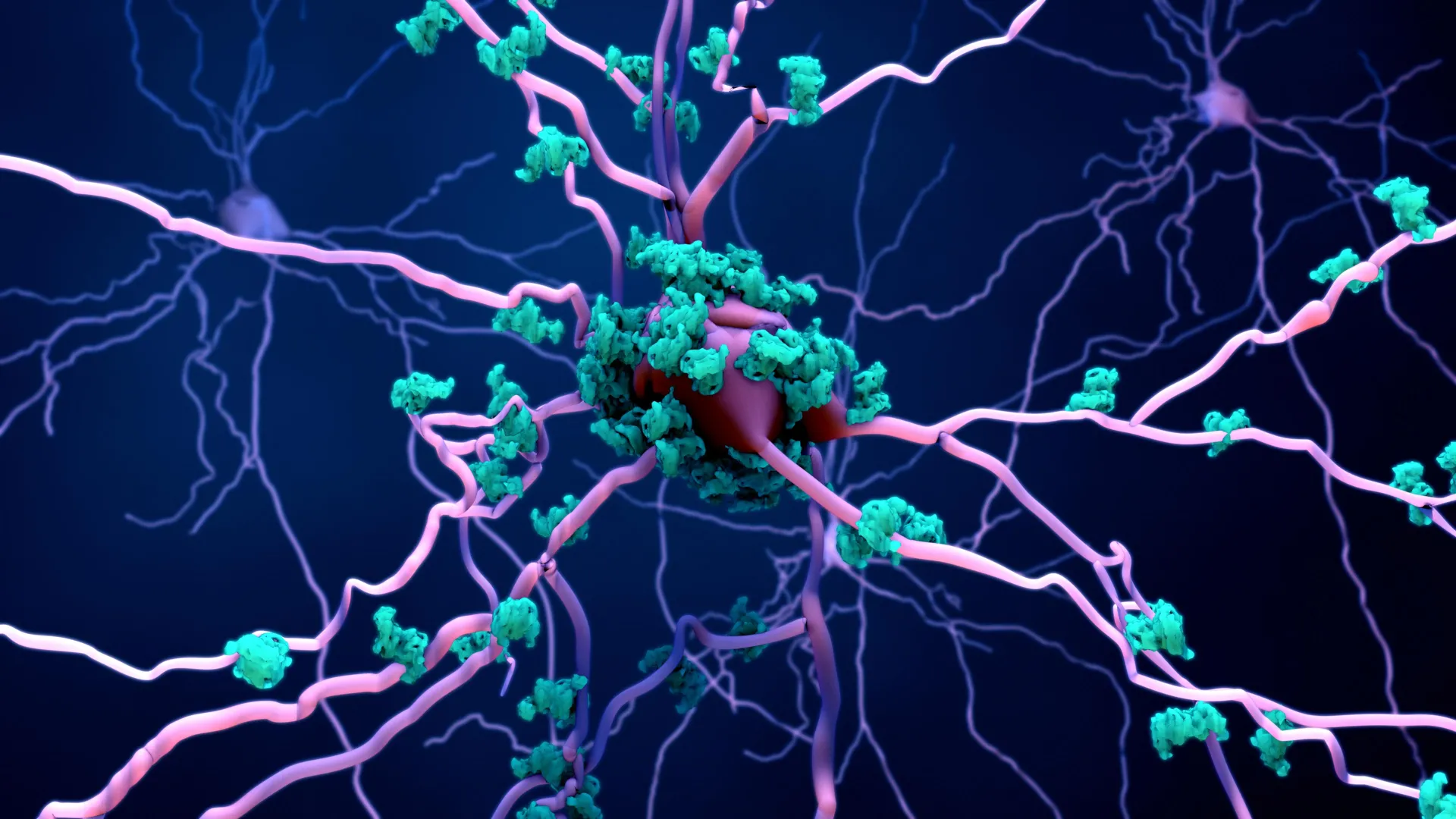
For many years, the scientific community has grappled with the fundamental question of how neurons, the essential building blocks of our nervous system, succumb in neurodegenerative diseases. Conditions like amyotrophic lateral sclerosis (ALS), Alzheimer’s, and FTD are characteristically associated with the accumulation of aberrant protein aggregates within neurons. While the eventual demise of these nerve cells is recognized as the underlying cause of progressive cognitive decline, memory loss, and other devastating symptoms, existing models of programmed cell death, such as apoptosis, have historically fallen short in fully accounting for the widespread and profound neuronal loss observed in these disorders.
The recent findings, meticulously detailed in the esteemed journal Nature Communications, represent the culmination of a decade-long research endeavor. Scientists meticulously analyzed a substantial dataset comprising approximately 3,000 individual brain cells, sourced from post-mortem tissue of 28 individuals diagnosed with either FTD or advanced-stage Alzheimer’s disease. Employing sophisticated computational algorithms, the research team was able to distinguish and characterize various modes of cell death occurring within these complex neural environments.
The analysis revealed compelling evidence of karyoptosis in a notable proportion of cells within the frontal cortex of individuals affected by Alzheimer’s disease. Specifically, signs of this newly identified death pathway were present in 35 percent of sampled cells from Alzheimer’s patients, a stark contrast to the significantly lower incidence of only 15 percent observed in brain tissue from healthy older adults. This quantitative difference strongly implicates karyoptosis as a prevalent feature in Alzheimer’s pathology, suggesting it plays a more active role than previously understood.
Karyoptosis itself is characterized by a cascade of specific biochemical events triggered when the cellular machinery becomes overwhelmed by the presence of toxic protein accumulations. As this destructive cascade progresses, the nucleus, the cell’s vital command center housing its genetic blueprint, undergoes a process of progressive shrinkage and fragmentation, ultimately leading to its complete disintegration. This unique mechanism distinguishes it from other known forms of cellular demise.
The research team’s exploration extended beyond merely identifying karyoptosis; they also succeeded in uncovering a critical molecular signaling pathway that appears to govern its activation. Their experiments demonstrated that artificially inducing the aggregation of proteins within neurons, a defining pathological hallmark of many neurodegenerative diseases, can initiate this destructive karyoptotic process.
According to the study’s findings, the destabilization of the nuclear envelope, the protective barrier surrounding the nucleus, is a key event in karyoptosis. The buildup of toxic proteins exerts pressure or triggers biochemical changes that compromise the integrity of this membrane, leading to its eventual breakdown and the subsequent disintegration of the nucleus.
Further investigation focused on a class of proteins known as kinases, which function as crucial molecular switches that regulate cellular processes. By experimentally inhibiting specific kinases involved in this pathway, the researchers were able to observe a significant reduction in the molecular markers associated with karyoptosis in laboratory models using rat neurons. Of particular interest was the interaction between a specific kinase, p38 MAP kinase, and a protein called LaminB1. This particular molecular partnership emerged as a highly promising target, holding the potential to slow down or even prevent the destructive breakdown of the neuronal nucleus.
The implications of this discovery for future therapeutic development are substantial. The researchers envision that by precisely targeting this identified pathway, it may become possible to develop novel treatments capable of reducing the rate of brain cell loss, a primary driver of the symptoms experienced by individuals living with dementia. The immediate next step for the team involves devising strategies to selectively modulate the interaction between p38 MAP kinase and LaminB1 within human patients, aiming for targeted intervention without causing unintended side effects.
Dr. Manolis Fanto, a Reader in Functional Genomics at King’s College London’s Institute of Psychiatry, Psychology and Neuroscience, emphasized the potential impact of their findings, stating, "By specifically targeting the interaction between p38 MAP kinase and LaminB1 we may slow down the process of cell death, buying time for more pinpointed therapies against specific neurodegenerative diseases." This suggests a strategy of slowing down the general cellular damage to allow more specific treatments to take effect.
Dr. Rebecca Casterton, a Senior Researcher at the UK Dementia Research Institute at King’s and the lead author of the study, articulated the significance of their work in a broader context. She noted, "The death and loss of cells in the brain drives many symptoms experienced by people living with dementia. Our study uncovers a new series of chemical events which can coordinate cell death in brain cells. We have started to lay out the road map of how karyoptosis works, and I’m excited to see future breakthroughs this may drive in the dementia research community and beyond." Her statement highlights the foundational nature of this research, providing a crucial roadmap for future investigations.
The long-standing enigma of how toxic protein accumulation translates into neuronal death in diseases like Alzheimer’s and FTD has been a significant hurdle for decades. Dr. Sara Rodrigues, Senior Research Manager at Alzheimer’s Research UK, underscored the importance of this discovery in overcoming that challenge: "For decades, we’ve known that toxic proteins build up in Alzheimer’s disease and frontotemporal dementia, but exactly how they lead to the loss of brain cells has remained unclear. The identification of karyoptosis is a crucial step towards finding targets for treatments that could stop or slow cell loss. It could help widen the window for therapies that tackle the underlying causes of disease, bringing us closer to a cure for dementia. This is why Alzheimer’s Research UK funds and supports research." Her remarks emphasize how this finding directly addresses a critical knowledge gap and fuels the ongoing pursuit of a cure.
The original research paper, titled "Karyoptosis mediates cell death and neurodegeneration upon proteotoxic stress," was formally published in Nature Communications, making its findings accessible to the global scientific community. This significant advancement was primarily made possible through funding provided by Alzheimer’s Research UK and the Biotechnology and Biological Sciences Research Council International Partnership. Further essential support was contributed through a studentship facilitated by the UK Medical Research Council and the UK Dementia Research Institute, demonstrating a coordinated and multi-faceted commitment to advancing dementia research.
Related posts:

Related News