Groundbreaking preliminary research suggests a direct biological link between a common bacterium responsible for gum disease and the insidious progression of calcific aortic valve stenosis (CAVS), a severe and often life-threatening heart condition. The findings, unveiled at the American Heart Association’s Basic Cardiovascular Sciences Scientific Sessions 2026 in Boston, offer a critical new perspective on the etiology of CAVS and could pave the way for innovative preventive and therapeutic strategies beyond current surgical interventions. This revelation underscores the profound interconnectedness of oral and cardiovascular health, signaling a potential paradigm shift in understanding systemic disease.
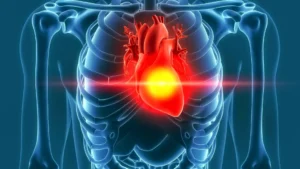
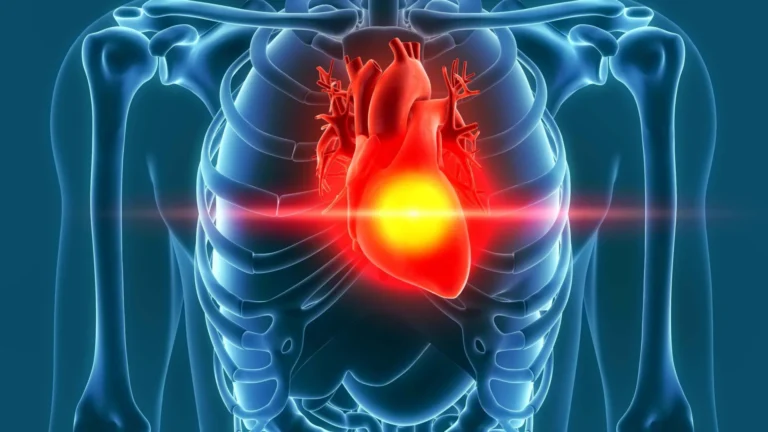
Calcific aortic valve stenosis represents a formidable challenge in cardiovascular medicine, characterized by the gradual thickening, stiffening, and calcification of the heart’s aortic valve. This vital valve, situated between the left ventricle and the aorta, is responsible for regulating the flow of oxygenated blood from the heart to the rest of the body. As CAVS advances, calcium deposits accumulate on the valve leaflets, impeding their ability to open fully and close properly. This obstruction forces the heart to work harder to pump blood, leading to increased pressure within the left ventricle. Initially, the condition often remains asymptomatic, silently progressing over years or even decades. However, as the stenosis intensifies, patients typically experience debilitating symptoms such as profound fatigue, persistent chest pain (angina), shortness of breath (dyspnea), episodes of fainting (syncope), and ultimately, heart failure. Without intervention, severe CAVS carries a grim prognosis, often culminating in premature death.
Currently, no pharmacological treatments exist that have been demonstrably proven to halt or reverse the progression of CAVS. For individuals suffering from advanced forms of the disease, the only effective remedies are invasive procedures: open-heart surgery for valve replacement or transcatheter aortic valve replacement (TAVR). The absence of non-surgical options highlights an urgent unmet medical need, making the search for modifiable risk factors and novel therapeutic targets a paramount endeavor in cardiology.
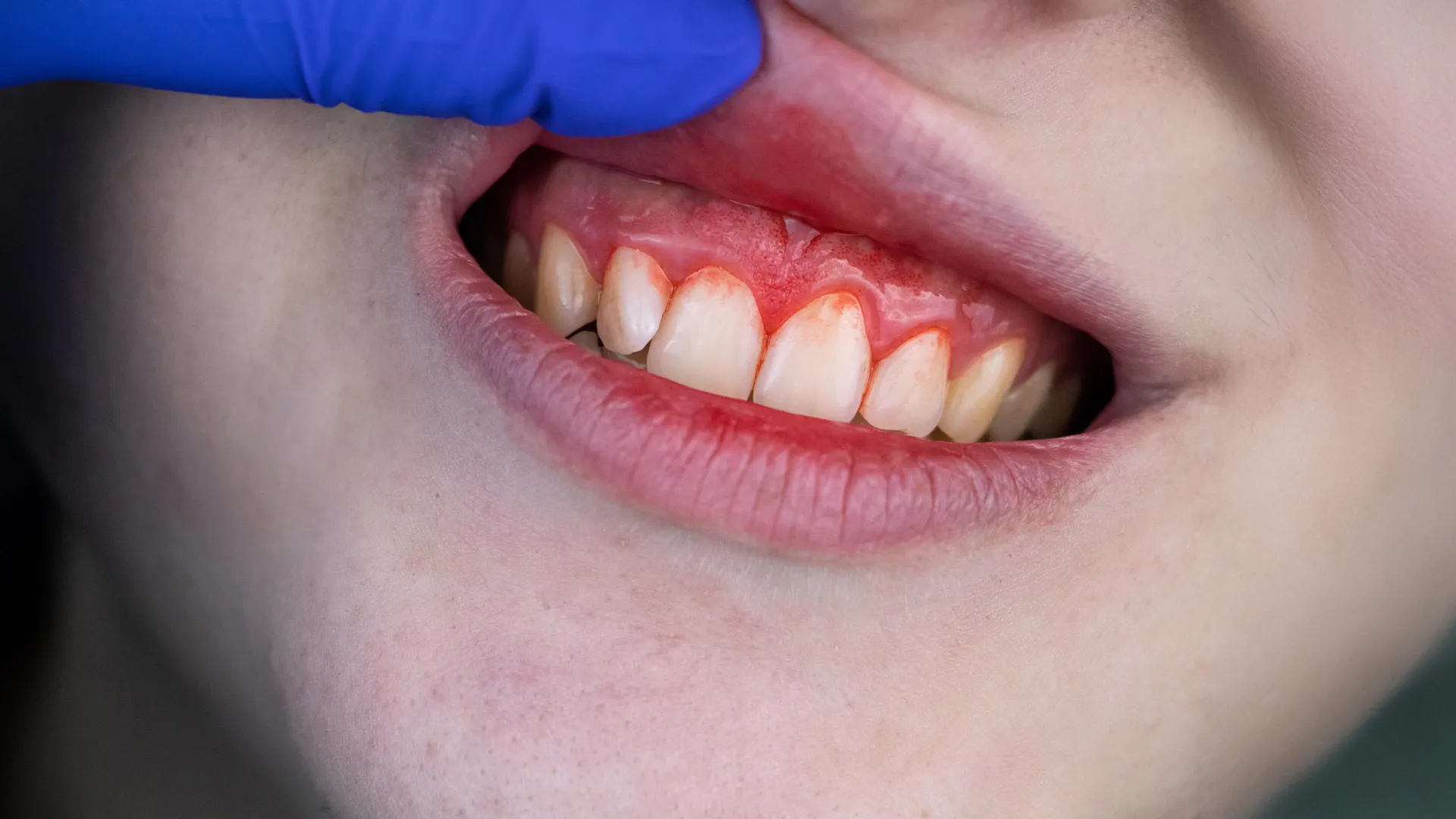
The investigation, spearheaded by a team including Chenyang Li, M.D., a Ph.D. candidate at the State Key Laboratory of Cardiovascular Disease of Fuwai Hospital’s National Center for Cardiovascular Diseases in Beijing, focused its attention on Porphyromonas gingivalis. This particular bacterium is a well-established principal pathogen in chronic periodontitis, more commonly known as gum disease. Periodontitis is a widespread inflammatory condition affecting the tissues supporting the teeth, leading to gum inflammation, bone loss, and eventually tooth loss if left untreated. Its prevalence globally is significant, affecting a substantial portion of the adult population. While the deleterious effects of P. gingivalis on oral health are well-documented, prior research has also implicated this bacterium in broader systemic inflammation and an elevated risk for various cardiovascular ailments, including the formation of arterial plaque (atherosclerosis) and coronary artery disease. The current study extends this understanding by proposing a specific role for P. gingivalis in the development of CAVS.
The initial phase of the research involved a meticulous analysis of human heart valve tissue. Researchers procured calcified aortic valves from patients undergoing surgical replacement for CAVS and compared them against valve tissue obtained from individuals with other cardiac valve pathologies. The objective was to ascertain the presence and differential abundance of bacterial species within these tissues. Dr. Li expressed considerable surprise at the findings, noting, "We were surprised by how much P. gingivalis was present in the calcified aortic valves. Although it was not one of the most abundant bacteria overall, it showed one of the largest differences between valves with CAVS and valves without CAVS. This unexpected finding led us to investigate its potential role in the development of CAVS." The discovery that P. gingivalis was not only present but significantly more prevalent in diseased, calcified valves compared to non-CAVS valves provided a compelling rationale to delve deeper into its potential causative role.
To elucidate the mechanistic pathways through which P. gingivalis might contribute to valve calcification, the research team transitioned to an animal model, specifically utilizing mice. This experimental design allowed for controlled exposure and the investigation of specific biological responses. Mice were subjected to repeated exposure to either live P. gingivalis bacteria or heat-inactivated versions of the same pathogen. The primary goal was to observe whether exposure to the active bacterium would lead to its accumulation within the aortic valves, subsequently increasing calcium deposition and inducing physiological manifestations consistent with aortic stenosis. Furthermore, certain groups of animals received preventive antibiotic treatment to ascertain if bacterial eradication could mitigate these effects, while others were genetically modified to lack the interleukin-1 beta (IL-1β) inflammatory pathway, a key mediator in inflammatory responses.
The results from the mouse experiments proved highly informative. Repeated exposure to live P. gingivalis resulted in a notable accumulation of the bacteria within the aortic valves of the mice. Crucially, this accumulation was directly correlated with a significant increase in valve calcification and the emergence of symptoms characteristic of aortic stenosis. Conversely, mice that received preventive antibiotic treatment exhibited a marked reduction in both bacterial presence and the severity of valve calcification, thereby strengthening the hypothesis of bacterial involvement. The study also shed light on a critical inflammatory pathway. The researchers discovered that P. gingivalis actively triggered the production of interleukin-1 beta (IL-1β), a potent pro-inflammatory protein predominantly synthesized by immune cells. IL-1β is a central cytokine involved in initiating and amplifying inflammatory cascades throughout the body and is known to contribute to various chronic inflammatory diseases. Further experiments demonstrated the profound impact of this pathway: genetically deleting the IL-1β gene in mice significantly diminished valve calcification and disease symptoms, even in the continued presence of P. gingivalis. This finding strongly suggests that P. gingivalis may exert its detrimental effects on the aortic valve largely by activating and leveraging the IL-1β-mediated inflammatory response, leading to the deposition of calcium.
The implications of these findings are far-reaching, particularly concerning strategies for prevention and the development of new therapies for CAVS. Given that there are currently no medical treatments to prevent or slow this devastating condition, identifying a modifiable risk factor like periodontal disease opens up entirely new avenues. Dr. Li succinctly articulated the immediate takeaway for the public: "The key message is simple: take good care of your oral health. Good oral hygiene and treatment of periodontal disease are important for overall health and may also have benefits for cardiovascular health. While it is still too early to recommend specific treatments for preventing CAVS, our findings suggest that periodontal health could be an important piece of the puzzle." This underscores the potential for simple, accessible interventions – diligent brushing, flossing, and regular dental check-ups – to contribute significantly to cardiac well-being. Moreover, these insights could stimulate research into novel pharmacological approaches, either by targeting P. gingivalis directly or by modulating the IL-1β inflammatory pathway, offering hope for non-surgical treatments in the future.
The American Heart Association (AHA) has long advocated for the integral connection between oral health and overall cardiovascular wellness. Eduardo Sanchez, M.D., M.P.H., FAHA, the chief medical officer for prevention for the AHA, affirmed this growing body of evidence, stating, "This study adds to the growing evidence that oral health and heart health are closely connected. For many people, regular visits to the dentist are their only connection to the healthcare system. That makes dental professionals important partners in spotting health conditions, including periodontal disease early — which can lead to quicker healthcare referrals and results, better health and lives saved." This perspective highlights the crucial role of dental practitioners as frontline healthcare providers, often uniquely positioned to identify early signs of systemic diseases, including those that may impact the heart. The AHA’s "Healthy Smiles, Healthy Hearts™" initiative exemplifies this commitment, providing valuable educational resources to dental professionals on the oral-cardiovascular link, offering guidance for blood pressure screenings in dental settings, and supplying patient education materials designed to foster improvements in both oral and heart health. This integrated approach emphasizes the benefits of interdisciplinary collaboration between dental and medical fields to achieve better patient outcomes.
It is important to contextualize these findings within the scientific discovery process. The researchers themselves emphasize that these results are preliminary, presented as a scientific meeting abstract. This means the work has not yet undergone the rigorous scrutiny of peer review or been published as a full, peer-reviewed journal article. While promising, further independent validation and replication are essential. Crucially, while the animal model provides strong evidence for a mechanistic link, these results must be confirmed in human populations. Acknowledging this critical next step, the research team has already initiated a clinical study involving human participants to further investigate and confirm the potential connection between periodontal disease and CAVS. This forthcoming human data will be pivotal in translating these preliminary findings into actionable clinical recommendations and ultimately, into improved patient care. The journey from initial observation to definitive therapeutic intervention is often long and complex, but this research represents a significant leap forward in understanding a previously enigmatic and devastating heart condition.
About the Author