Beneath the Price Tag: Unpacking the Stealthy Reduction of Popular Grocery Items
The landscape of consumer goods is undergoing a subtle yet profound transformation, as shoppers increasingly report a pervasive phenomenon known as "shrinkflation." This economic strategy involves manufacturers reducing the size or quantity of a product while maintaining or even increasing its retail price, effectively leading to consumers paying more for less. Amidst persistent inflationary pressures and a heightened cost of living, this practice has become a significant point of contention, leading to widespread frustration among households grappling with tightening budgets. The current economic climate, marked by fluctuating raw material costs, supply chain disruptions, and escalating operational expenses, has compelled many companies to seek alternative methods of preserving profit margins without resorting to overt price hikes, making shrinkflation a seemingly attractive, albeit contentious, solution.
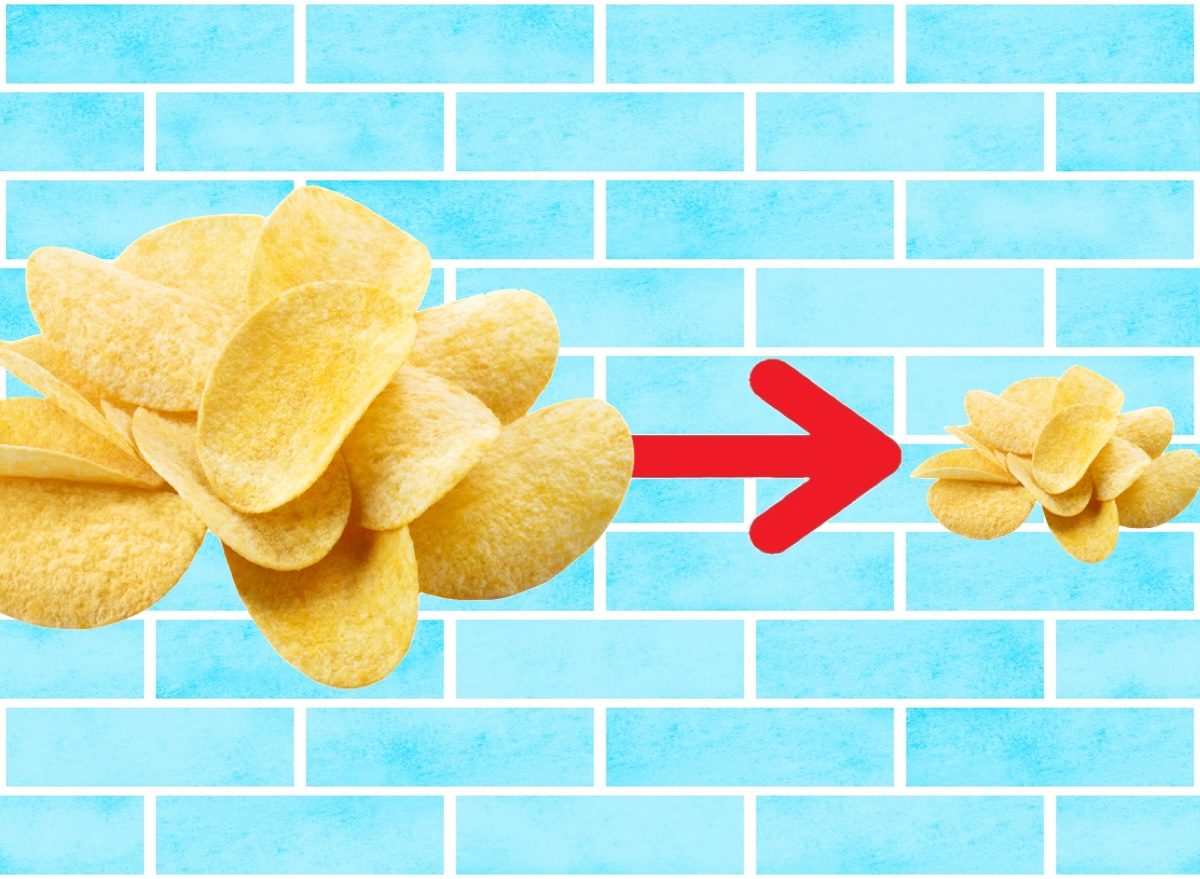
The concept of shrinkflation, often referred to as "hidden inflation," leverages consumer psychology. Studies suggest that consumers are generally more sensitive to visible price increases than to subtle reductions in product volume or weight. A modest change in package size, perhaps a few ounces less of a beverage or a slightly thinner slice of bread, can often go unnoticed by the casual shopper, especially if the packaging design remains largely consistent. However, dedicated consumers who regularly purchase specific brands often detect these alterations, leading to a sense of betrayal and diminished brand loyalty. Online forums and social media platforms have become critical spaces for these observations, where individuals share side-by-side comparisons and voice their collective dismay, transforming anecdotal evidence into a significant consumer narrative. This growing digital vigilance highlights a new era of consumer awareness, where the fine print and net weight become as scrutinized as the price itself.
The economic rationale behind shrinkflation is multifaceted. Manufacturers face a delicate balancing act: absorbing increased production costs can erode profitability, while a direct price increase might deter price-sensitive customers, potentially leading to a loss of market share. By reducing content, companies can technically keep the unit price stable, or even increase it slightly, without triggering the immediate sticker shock associated with a higher numerical price tag. This strategy allows them to pass on rising costs to consumers in a less conspicuous manner. Factors contributing to these increased costs include global commodity price volatility, higher energy prices for manufacturing and transportation, increased labor wages, and more expensive packaging materials. The period following the global pandemic has seen an accelerated adoption of these practices across various sectors as businesses navigated unprecedented supply chain challenges and demand shifts.
An examination of recent consumer feedback from various online communities reveals several categories of grocery items frequently cited as prime examples of shrinkflation. These reports, while anecdotal, paint a consistent picture of diminished value across staple products and popular treats alike, reflecting a broad impact on the average household’s shopping basket. The collective sentiment indicates that no product category is immune to this trend, from everyday consumables to occasional indulgences.
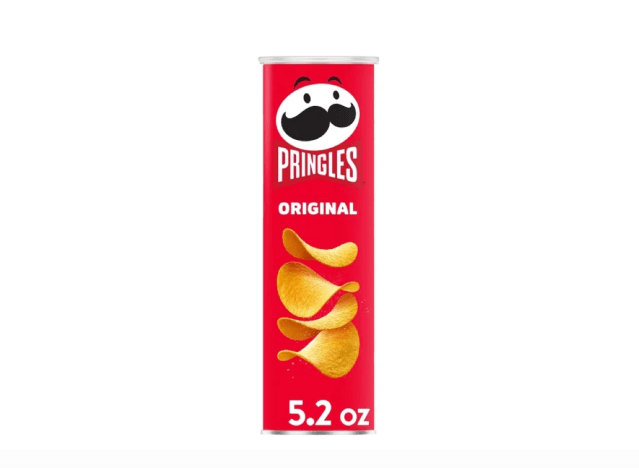
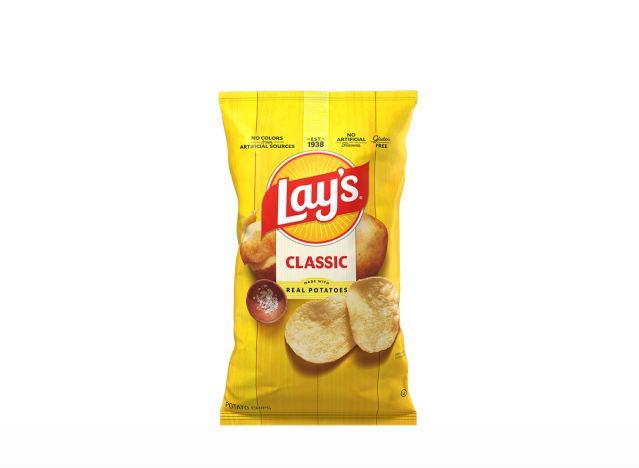
Among the most frequently mentioned categories are snack foods, which often rely on specific portion sizes and packaging expectations. Pringles, the iconic stackable potato crisps, have drawn particular attention. Consumers report not only a perceived reduction in the number of crisps within the cylindrical container but also a noticeable increase in empty space, or "air," leading to tubes that feel less than full. Some have even suggested a change in the crisps’ taste or structural integrity, further compounding the sense of reduced value. This observation points to an issue beyond mere quantity; it touches upon the overall product experience and quality expectations associated with a well-established brand. Similarly, Lay’s potato chips have become a recurring subject of consumer complaints. Shoppers purchasing both individual snack bags and larger "family-sized" packages express dissatisfaction with the actual volume of chips. Reports frequently detail bags containing significantly fewer full-sized chips and a higher proportion of broken pieces, suggesting that the ratio of product to packaging has shifted unfavorably. The age-old joke about chip bags being mostly air now carries a more frustrated undertone, as consumers feel the actual edible content has noticeably decreased, despite the package size potentially remaining similar.
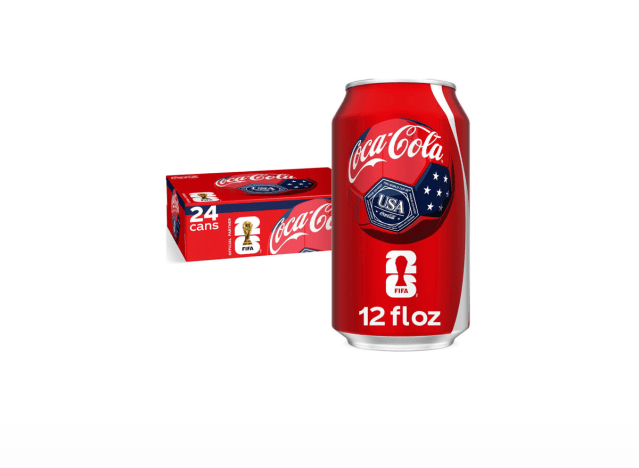
Beverages represent another category where consumers have keenly felt the effects of downsizing. Coca-Cola, a global beverage giant, has been specifically singled out regarding its multi-pack offerings. Shoppers highlight a substantial increase in the price of a 12-pack of cans, often recalling a time when multiple such packs could be purchased for a price now barely covering a single unit. While the individual can size may not have changed, the effective unit price for bulk purchases has escalated dramatically, making a once affordable staple a considerably more expensive indulgence. This shift forces many loyal customers to reconsider their purchasing habits, opting for fewer purchases or exploring cheaper alternatives. Orange juice, a breakfast essential for many, also features prominently in discussions about reduced volumes. Consumers recount a gradual but steady decrease in the standard container size, transitioning from what was once a half-gallon (64 ounces) to 59 ounces, then 52 ounces, and in some instances, even down to 48 ounces, all while prices either remained stagnant or increased. This continuous reduction in volume for a basic commodity is particularly frustrating, as it directly impacts daily consumption and household budgeting, pushing some consumers to abandon buying it altogether or switch to store-brand versions. The volatility of orange crops and global supply chain issues for citrus products can certainly play a role in these adjustments, but the opaque nature of the reductions leaves consumers feeling exploited.
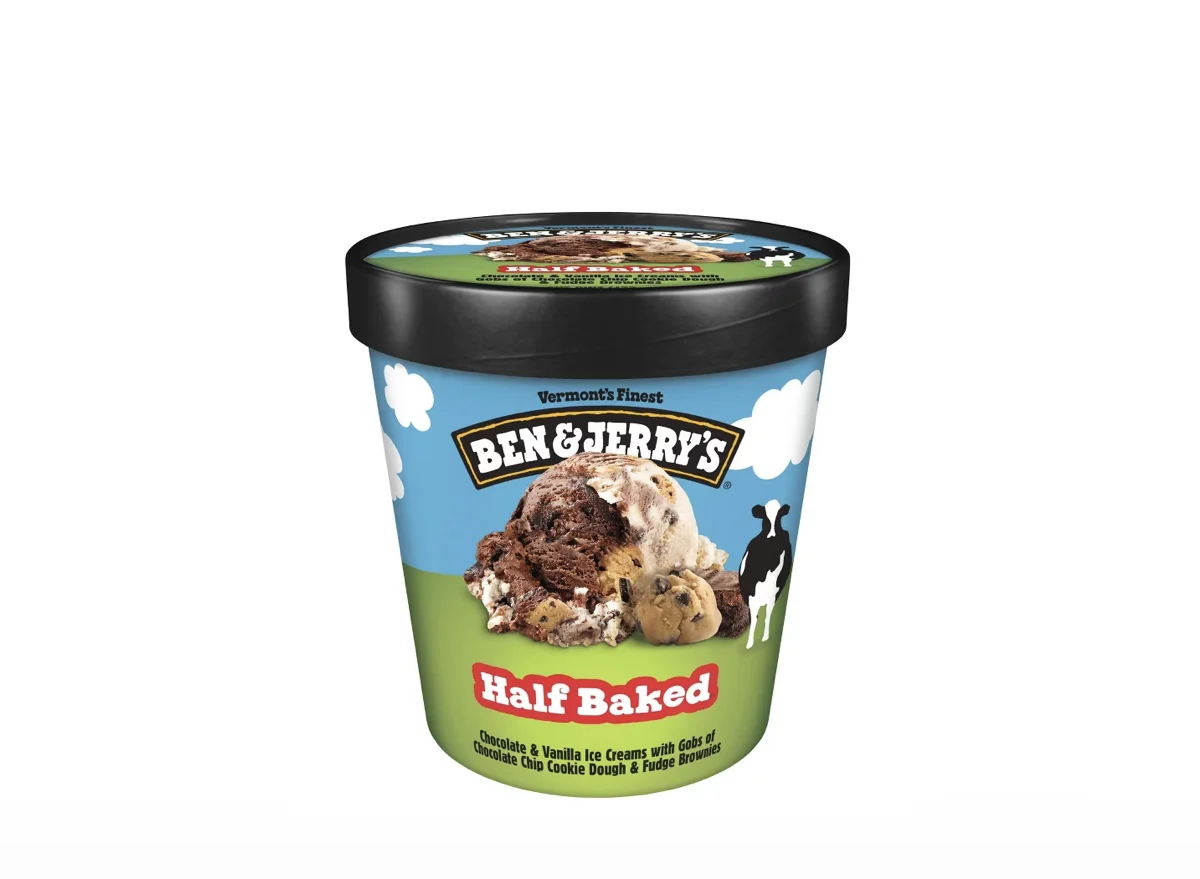
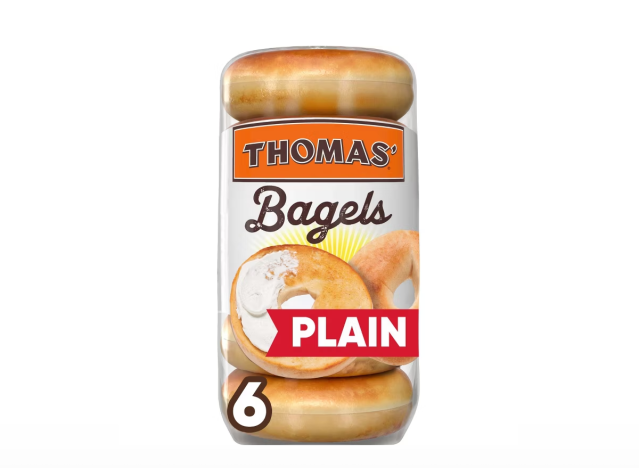
The impact of shrinkflation extends to breakfast items and frozen desserts. Thomas Bagels, a widely recognized brand, has been cited for a noticeable reduction in the physical size of its bagels. Shoppers describe finding bagels that are significantly smaller than their historical dimensions, even with the hole size remaining consistent. This change directly affects the perceived value and satisfaction of a product known for its hearty size, leaving consumers feeling shortchanged in their morning routine. For those seeking a sweet treat, Ben & Jerry’s ice cream has drawn criticism for its "pints" now frequently containing 15.2 ounces of product instead of a true 16-ounce pint. This seemingly minor 0.8-ounce difference translates to a 5% reduction in volume, often accompanied by an unchanged or higher price. Such a subtle change in a premium product can be particularly jarring for consumers who associate brand loyalty with consistent quality and quantity. Paired with similar observations for other high-end ice cream brands like Häagen-Dazs, it highlights a broader trend within the premium dessert market to adjust volumes without overtly increasing price points.
Even household essentials have not escaped this trend. Q-Tips, a ubiquitous cotton swab brand, have been mentioned by consumers who observe a perceived decline in quality and quantity of cotton per swab. Long-time users claim that newer batches feel "cheaper," with less cotton firmly attached to the stick, leading to reduced effectiveness and durability. For a product where consistency is paramount, such changes can lead to significant brand disloyalty, as consumers feel that the premium they pay for a trusted name brand no longer delivers the expected product integrity. The perceived degradation in quality, coupled with potentially higher prices, drives consumers to explore generic alternatives that might offer better value.
The broader implications of shrinkflation are far-reaching. For consumers, it erodes trust in brands and manufacturers, fostering a sense of deception. This can lead to increased price sensitivity and a greater willingness to switch to private-label brands or competitors that appear to offer better value. In the long term, such practices could force consumers to significantly alter their purchasing habits, impacting market dynamics and potentially leading to a decline in brand loyalty for companies perceived as engaging in these "stealthy" price increases. From a regulatory perspective, while shrinkflation is generally legal as long as the net weight or volume is accurately stated on the package, the growing public outcry might prompt calls for greater transparency or even new labeling standards to make these changes more obvious to shoppers. Consumer advocacy groups are already playing a crucial role in highlighting these trends and empowering shoppers with information to make more informed decisions.
In conclusion, shrinkflation represents a significant challenge for consumers navigating an increasingly expensive world. The anecdotal evidence, amplified through digital platforms, suggests that this practice is widespread and impacts a diverse range of grocery products, from beloved snacks and beverages to essential household items. While companies cite rising production costs as a primary driver, the method of passing these costs onto consumers through reduced product sizes is fostering widespread dissatisfaction and challenging long-held brand loyalties. As economic pressures persist, consumers are becoming more vigilant, scrutinizing package contents and demanding greater transparency, signaling a potential shift in how brands must communicate value in the modern marketplace.
Related posts:

Related News