Persistent knee discomfort represents a widespread concern for a significant portion of the global population, particularly as individuals advance in age. While various underlying conditions can contribute to chronic knee pain, osteoarthritis stands out as one of the most prevalent and impactful degenerative joint disorders. This condition, often perceived as an inevitable consequence of aging, is increasingly recognized as a manageable challenge, with numerous proactive and reactive strategies available to mitigate its onset and progression.
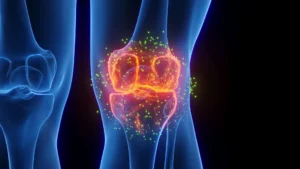
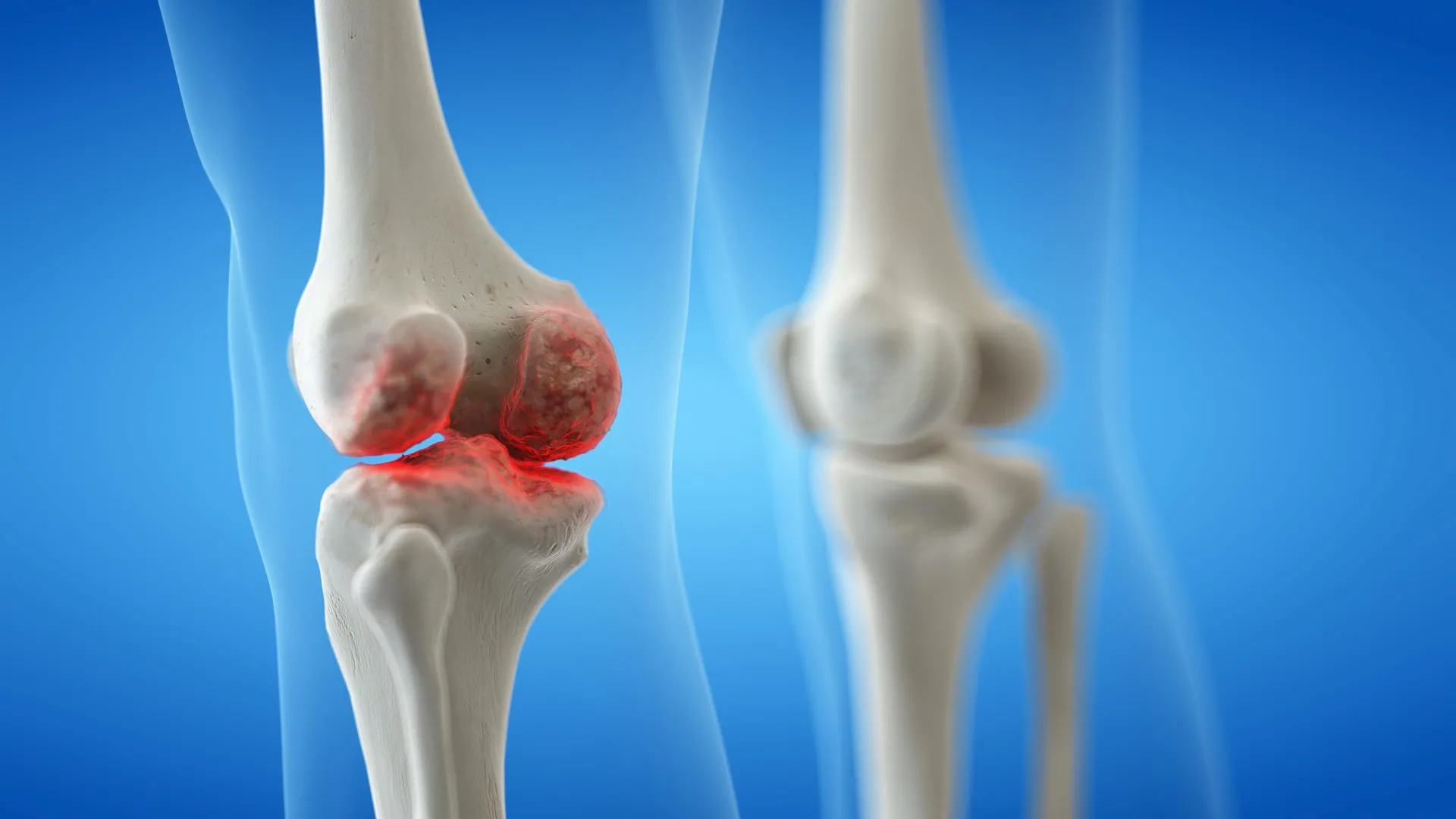
At its core, knee osteoarthritis (OA) involves the gradual deterioration of the articular cartilage, the smooth, resilient tissue that caps the ends of bones within a joint. Healthy cartilage is critical for facilitating frictionless movement and absorbing mechanical shock during physical activity. When this protective layer thins and erodes, the underlying bones begin to rub directly against each other, leading to inflammation, pain, stiffness, and reduced range of motion. This progressive breakdown can trigger a cascade of changes within the entire joint structure, including the formation of bone spurs (osteophytes) and alterations in the subchondral bone, further exacerbating symptoms over time.
The ramifications of knee osteoarthritis extend far beyond localized pain and stiffness. The debilitating nature of the condition can severely impede an individual’s capacity to perform daily tasks, engage in recreational activities, and maintain professional commitments. Limited mobility often translates into reduced physical activity levels, which, in turn, can heighten the risk for other serious chronic health conditions such as cardiovascular disease, certain types of cancer, and type 2 diabetes. Furthermore, the persistent pain and functional limitations associated with OA can profoundly affect mental well-being, contributing to feelings of isolation, anxiety, and depression, thereby diminishing an individual’s overall quality of life. Economically, the condition can lead to substantial healthcare expenditures, lost productivity due to missed workdays, and reduced earning potential.
Osteoarthritis is an incredibly pervasive health issue. Statistics indicate that over 30 million adults in the United States alone contend with some manifestation of this condition, with the knee being the most frequently affected joint. Contrary to the common misconception that OA exclusively impacts the elderly, a substantial proportion—approximately half—of diagnosed cases manifest in individuals still within their working years. This demographic reality underscores the broad societal and economic implications of the disease, affecting not just retirees but also a vital segment of the workforce.
A constellation of factors contributes to an individual’s susceptibility to knee osteoarthritis. These risk elements can be broadly categorized into mechanical, biological, and genetic predispositions. Mechanically, excessive body weight is a formidable contributor; every additional pound of body mass can amplify the load placed on the knees by an estimated four pounds with each step. This increased stress accelerates cartilage wear and tear. Similarly, insufficient strength in the muscles supporting the knee, particularly the quadriceps and hamstrings, can compromise joint stability and proper alignment, leading to abnormal stress distribution and accelerated degeneration. A history of significant knee injury, such as ligament tears or meniscal damage, dramatically elevates the risk for developing post-traumatic osteoarthritis later in life, even years after the initial incident.
Biological factors also play a crucial role. While often associated with aging, the link between age and OA is complex; it’s not merely a matter of cumulative wear but also involves cellular changes, reduced cartilage repair capacity, and chronic low-grade inflammation that increases with age. Women, for instance, exhibit a higher incidence of knee OA compared to men, a disparity attributed to a combination of hormonal influences, anatomical differences in knee alignment, and potentially variations in connective tissue properties. Genetic predisposition also holds significance; individuals with a family history of osteoarthritis are more likely to develop the condition themselves, suggesting an inherited component influencing cartilage integrity or joint mechanics. However, it is crucial to understand that a genetic predisposition does not equate to an inevitable fate.
Fortunately, a proactive stance can significantly reduce the likelihood of developing knee osteoarthritis or slow its progression. Lifestyle modifications form the bedrock of both prevention and management strategies. Maintaining a healthy body weight is perhaps the most impactful preventive measure. Even modest weight loss can yield substantial benefits, with research demonstrating that shedding as little as 10 pounds can alleviate up to 40 pounds of pressure on the knees with every stride, profoundly reducing the mechanical stress on the joint.
Regular physical activity is another cornerstone of joint health. Dispelling the myth that activities like running inherently damage the knees, evidence suggests that moderate, consistent running can be part of a joint-friendly lifestyle for many, especially when combined with proper form, appropriate footwear, and gradual progression. The key lies in selecting exercises that strengthen the muscles surrounding the knee, improve flexibility, and enhance balance, while minimizing high-impact stress if symptoms are present. Low-impact activities such as swimming, cycling, and elliptical training are excellent choices, promoting joint lubrication and nutrient delivery to the cartilage without excessive strain. A well-rounded exercise regimen should incorporate strength training for the quadriceps, hamstrings, and glutes, alongside flexibility and proprioception exercises.
Dietary choices also wield considerable influence over systemic inflammation, a key component in OA pathology. Adopting an eating pattern rich in whole grains, diverse fruits, and a wide array of vegetables can provide essential vitamins, minerals, and antioxidants that combat oxidative stress and reduce inflammatory markers throughout the body. Conversely, limiting the consumption of highly processed foods, sugary beverages, and unhealthy fats can help mitigate chronic inflammation, thereby potentially easing osteoarthritic symptoms and supporting overall joint health.
For individuals already living with knee osteoarthritis, a comprehensive, individualized management plan developed in collaboration with healthcare providers is essential. Such plans often integrate various therapeutic approaches aimed at alleviating pain, improving mobility, and preserving joint function. Physical therapy plays a pivotal role, offering tailored exercise programs designed to strengthen supporting musculature, increase joint flexibility, and enhance functional capacity. Therapists may also employ modalities like heat, cold, ultrasound, or electrical stimulation to manage pain and swelling, alongside providing education on joint protection techniques and activity modification.
Pharmacological interventions can range from over-the-counter pain relievers like acetaminophen and non-steroidal anti-inflammatory drugs (NSAIDs) to prescription-strength medications, all intended to reduce pain and inflammation. Topical NSAIDs offer a localized approach with fewer systemic side effects. Intra-articular injections are another common treatment, with corticosteroids providing potent anti-inflammatory effects for temporary pain relief, and hyaluronic acid injections aiming to supplement the natural lubricating fluid within the joint. Emerging biologic therapies, such as platelet-rich plasma (PRP) and stem cell injections, are also being explored, though they remain largely experimental and subject to ongoing research to establish their efficacy and long-term benefits. Additionally, assistive devices like knee braces, orthotics, and walking aids can help offload pressure from the affected joint, provide stability, and improve gait.
When conservative measures no longer adequately control symptoms or significantly impair quality of life, surgical options may be considered. Arthroscopic surgery, while once a common procedure for knee OA, is now generally reserved for specific indications, such as addressing mechanical symptoms caused by loose bodies or meniscal tears, rather than directly treating the widespread cartilage damage of OA. Osteotomy, a procedure that involves re-aligning the bones to shift weight away from damaged areas, can be an option for younger, active patients with early-stage OA. For advanced cases, partial or total knee replacement surgery offers a highly effective solution, involving the removal of damaged bone and cartilage and their replacement with prosthetic components. While a major surgery, knee replacement can dramatically reduce pain and restore function, significantly improving a patient’s quality of life for many years.
Navigating the complexities of knee osteoarthritis necessitates a collaborative, multidisciplinary approach involving various healthcare professionals. Orthopedic surgeons, physiatrists (physical medicine and rehabilitation specialists), physical therapists, occupational therapists, dietitians, and pain management specialists can collectively develop a holistic strategy tailored to an individual’s unique needs, symptoms, and lifestyle goals. This integrated care ensures that all aspects of the condition, from biomechanics to nutrition and psychological well-being, are addressed comprehensively.
Ultimately, the narrative surrounding knee osteoarthritis is shifting from one of inevitable decline to one of empowerment and proactive management. While a family history of OA may confer a genetic predisposition, it does not seal an individual’s fate. Through informed lifestyle choices, timely interventions, and a collaborative relationship with healthcare providers, individuals possess considerable agency in influencing their joint health trajectory. By embracing preventive strategies and adhering to personalized management plans, it is entirely possible to mitigate the risk, alleviate the symptoms, and preserve the functionality of the knees, ensuring a more active and comfortable future.
About the Author