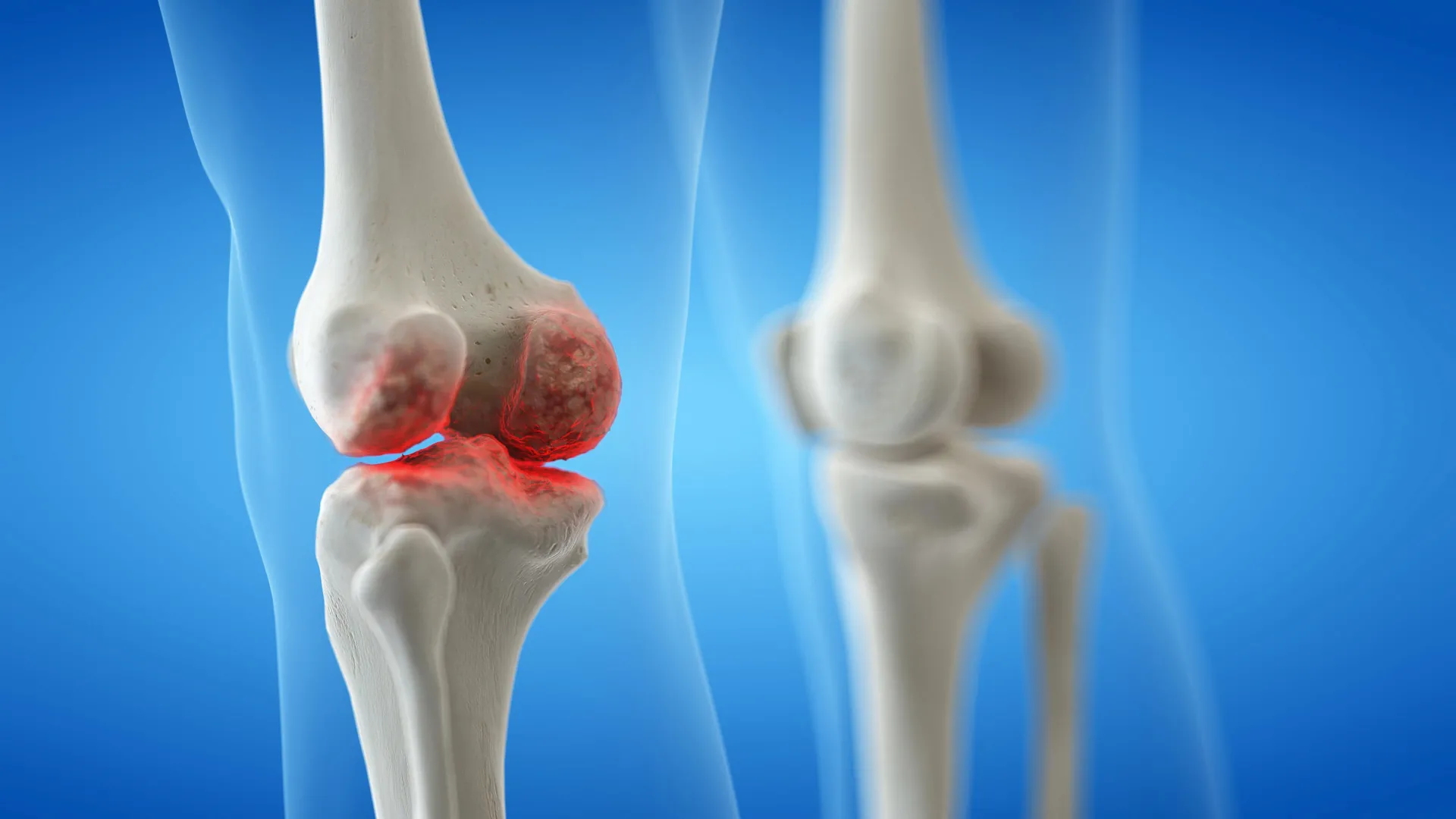
Knee pain stands as a pervasive health challenge, impacting millions globally and frequently intensifying with age. While numerous conditions can underlie persistent discomfort in this crucial joint, osteoarthritis (OA) emerges as a predominant culprit. Far from being an unavoidable consequence of aging, modern medical understanding and proactive lifestyle choices offer a significant paradigm shift, empowering individuals to both mitigate their risk and effectively manage existing symptoms, thereby preserving mobility and enhancing overall quality of life. This article delves into the intricate nature of knee OA, its widespread implications, and the multifaceted strategies available for its prevention and treatment.
At its core, knee osteoarthritis is a degenerative joint disease characterized by the gradual erosion of articular cartilage—the smooth, slippery tissue that covers the ends of bones within a joint. Healthy cartilage serves a vital role, enabling frictionless movement and acting as a shock absorber. As this protective layer thins and breaks down, the underlying bones begin to rub against each other, leading to inflammation, pain, stiffness, and a diminished range of motion. The process is not confined solely to cartilage; it also involves changes in the subchondral bone, synovial membrane, menisci, ligaments, and surrounding muscles, contributing to the complex pathology of the disease. This progressive deterioration can transform once effortless activities like walking, climbing stairs, or even standing, into painful and challenging endeavors.
The impact of knee OA extends far beyond localized joint discomfort. Its pervasive nature profoundly affects an individual’s physical, psychological, and socioeconomic well-being. Chronic pain and impaired mobility often lead to a reduction in physical activity, which in turn can precipitate a cascade of other health issues, including weight gain, cardiovascular disease, type 2 diabetes, and certain types of cancer. The inability to perform daily tasks or engage in recreational activities can foster feelings of isolation, anxiety, and depression. Economically, the disease imposes a substantial burden, leading to missed workdays, reduced productivity, and significant healthcare expenditures associated with doctor visits, medications, physical therapy, and potential surgical interventions. With over 30 million adults in the United States alone grappling with some form of OA, and the knee being the most commonly affected joint, its public health significance cannot be overstated. Notably, while often associated with advancing years, approximately half of all OA cases manifest in individuals still within their working prime, underscoring its broad demographic reach.
Understanding the multifactorial nature of knee OA is crucial for both prevention and management. Several key risk factors have been identified:
- Age: The prevalence of OA increases significantly with age, largely due to the cumulative wear and tear on joints over decades, as well as age-related changes in cartilage repair mechanisms.
- Sex: Women tend to develop knee OA more frequently and often experience more severe symptoms than men, particularly after menopause, suggesting a potential hormonal link.
- Obesity and Overweight: Excess body weight places immense mechanical stress on the weight-bearing joints, especially the knees. For every pound of weight gained, the knees endure an additional four pounds of pressure with each step, dramatically accelerating cartilage degeneration.
- Previous Joint Injury: A history of knee trauma, such as ligament tears (ACL, MCL), meniscal injuries, or fractures, significantly elevates the risk of developing post-traumatic OA, sometimes decades after the initial injury.
- Muscle Weakness: Insufficient strength in the quadriceps and hamstring muscles surrounding the knee compromises joint stability and alters biomechanics, increasing stress on the cartilage.
- Genetics: A family history of OA indicates a genetic predisposition, although the specific genes involved are complex and interact with environmental factors.
- Occupational Stress: Jobs requiring repetitive kneeling, squatting, or heavy lifting can increase the risk of OA.
- Bone Deformities: Misaligned joints or congenital abnormalities can lead to uneven weight distribution and premature cartilage wear.
Diagnosing knee OA typically involves a comprehensive assessment of symptoms, a physical examination to evaluate range of motion, swelling, and tenderness, and imaging studies such as X-rays. While X-rays can reveal joint space narrowing and bone spurs, they don’t always correlate perfectly with the degree of pain or functional limitation.
Fortunately, a broad spectrum of strategies exists to manage existing knee OA and, more importantly, to reduce the likelihood of its development. These approaches range from fundamental lifestyle adjustments to advanced medical and surgical interventions, often employed in a personalized, multimodal regimen.
Non-Pharmacological Interventions: These form the cornerstone of OA management and prevention due to their low risk and significant long-term benefits.
- Weight Management: Losing even a modest amount of weight can yield profound benefits. As Dr. Abby Cheng, an orthopedic surgeon and physiatrist at Washington University School of Medicine in St. Louis, highlights, shedding just 10 pounds can reduce the load on the knees by a remarkable 40 pounds with every step. This dramatic reduction in mechanical stress can significantly alleviate pain and slow disease progression. Achieving and maintaining a healthy weight through balanced nutrition and regular physical activity is arguably the most impactful preventative measure.
- Targeted Exercise and Physical Therapy: Contrary to outdated beliefs, physical activity is not detrimental to arthritic knees; rather, it is crucial. Regular, low-impact exercise strengthens the muscles supporting the joint, improves flexibility, enhances balance, and promotes the circulation of synovial fluid, which nourishes cartilage. A physical therapist can design an individualized program focusing on quadriceps strengthening, hamstring flexibility, core stability, and balance exercises. Activities like swimming, cycling, walking, and elliptical training are excellent choices. The misconception that running inevitably harms knees is often debunked; moderate running, especially with proper form and supportive footwear, can be part of an active lifestyle that contributes to lower OA risk by strengthening supporting structures and managing weight.
- Dietary Modifications: Adopting an anti-inflammatory diet can play a significant role in reducing systemic inflammation, which contributes to OA pain. Emphasizing whole, unprocessed foods, abundant fruits, vegetables, lean proteins, and healthy fats (like those found in olive oil and fatty fish) while limiting refined sugars, processed foods, and unhealthy fats can lead to tangible improvements. Such a dietary pattern, often exemplified by the Mediterranean diet, supports overall health and may help protect joint tissues.
- Assistive Devices: Knee braces can provide support, improve alignment, and reduce pain, particularly for those with instability or specific patterns of cartilage loss. Canes or walkers can offload weight from the affected knee, improving gait and reducing fall risk.
- Education and Self-Management: Empowering individuals with knowledge about their condition, pain coping strategies, and techniques for pacing activities can significantly enhance their ability to manage OA effectively.
Pharmacological Interventions: When non-pharmacological methods are insufficient, medications can help manage pain and inflammation.
- Over-the-Counter Pain Relievers: Acetaminophen (Tylenol) can alleviate mild to moderate pain. Non-steroidal anti-inflammatory drugs (NSAIDs) like ibuprofen or naproxen reduce both pain and inflammation, but prolonged use carries risks of gastrointestinal upset, kidney issues, and cardiovascular effects.
- Topical Agents: Creams, gels, or patches containing NSAIDs or capsaicin can provide localized pain relief with fewer systemic side effects.
- Injections:
- Corticosteroid Injections: Deliver powerful anti-inflammatory medication directly into the joint, offering temporary pain relief (weeks to months). However, their use is generally limited due to potential side effects and diminishing returns with repeated injections.
- Hyaluronic Acid Injections (Viscosupplementation): Involve injecting a gel-like substance that mimics the natural lubricating fluid of the joint. While some patients experience relief, its efficacy is a subject of ongoing debate.
- Platelet-Rich Plasma (PRP) and Stem Cell Injections: These are newer, experimental treatments harnessing the body’s own healing capabilities. While promising, more robust research is needed to establish their long-term efficacy and safety for OA.
Surgical Options: For individuals with severe, debilitating OA unresponsive to conservative treatments, surgical interventions may be considered.
- Arthroscopy: A minimally invasive procedure sometimes used to address specific mechanical issues like meniscal tears or loose bodies, though its role in treating widespread OA is limited.
- Osteotomy: Involves reshaping the bone near the knee to shift weight from the damaged part of the joint to a healthier area, often considered for younger patients with localized OA.
- Partial or Total Knee Arthroplasty (Knee Replacement Surgery): This highly effective procedure involves replacing the damaged joint surfaces with artificial components. It can dramatically alleviate pain and restore function, offering a significant improvement in quality of life for suitable candidates. Rehabilitation following surgery is crucial for optimal outcomes.
A common misconception is that a family history of osteoarthritis predetermines an individual’s future. While genetic factors do play a role, they do not seal one’s fate. As Dr. Cheng emphasizes, "it doesn’t mean there’s nothing a person can do to successfully lower their risk of developing it." This perspective empowers individuals to actively engage in preventive measures, regardless of their genetic predisposition. By adopting a proactive stance toward joint health, focusing on modifiable risk factors, and seeking early intervention when symptoms arise, individuals can significantly influence their trajectory with knee OA.
The journey toward healthy knees is a continuous one, demanding informed choices and consistent effort. Healthcare providers are invaluable partners in this process, offering personalized guidance, developing tailored management plans, and connecting patients with supportive resources. By embracing a holistic approach that integrates healthy lifestyle practices, appropriate medical care, and a resilient mindset, individuals can effectively safeguard their knee function, mitigate the burden of osteoarthritis, and ensure a future rich in mobility and well-being.
About the Author