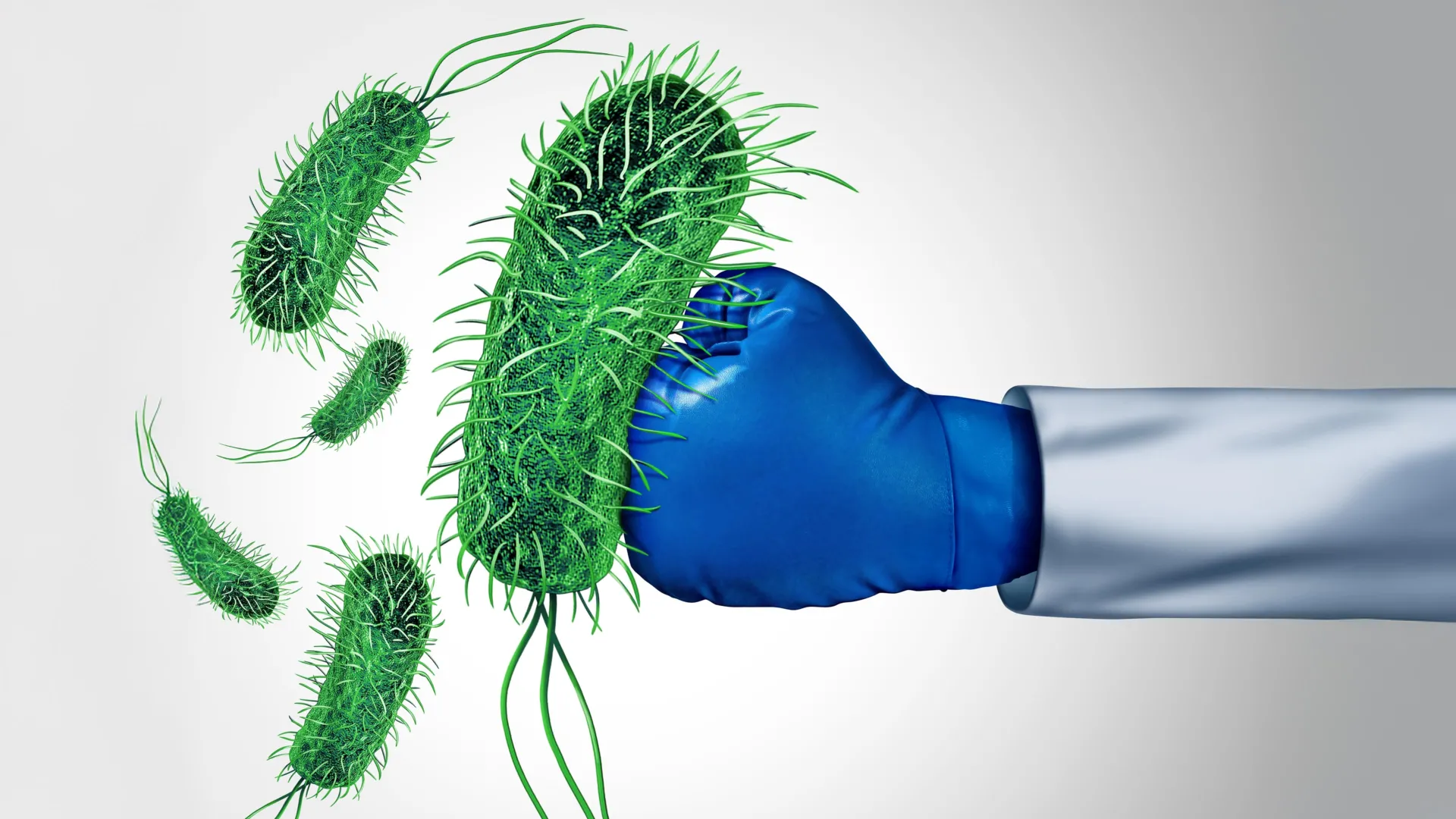
The escalating global crisis of antimicrobial resistance represents one of the most profound challenges confronting contemporary healthcare, necessitating urgent and innovative solutions to safeguard public health. As microbial populations continuously adapt and evolve, pharmacological agents that were once highly effective are progressively losing their potency, rendering common infections increasingly difficult to manage and elevating the inherent risks associated with essential medical interventions such as elective surgeries, oncological therapies, and other critical procedures. The relentless march of bacterial adaptation demands a proactive and multifaceted approach from the scientific community, exploring avenues that extend beyond the discovery of entirely novel antimicrobial compounds. A particularly promising frontier lies in the strategic revitalization of existing antibiotic classes, breathing new life into established therapeutic agents that have been rendered less effective by microbial resistance mechanisms. This paradigm shift is exemplified by the development of antibiotic adjuvants, a class of auxiliary molecules designed not to directly engage and eliminate bacteria, but rather to synergistically augment the efficacy of conventional antibiotics, thereby restoring their therapeutic impact.
At the forefront of this innovative research, Professor John Moses and his distinguished research collective at Cold Spring Harbor Laboratory (CSHL) have dedicated years to pioneering novel chemical methodologies aimed at accelerating and optimizing the intricate process of drug discovery. Their work centers on a sophisticated technique known as diversity-oriented clicking (DOC), a proprietary methodology meticulously developed within the Moses laboratory. Employing this advanced approach, the team has successfully curated an expansive molecular repository, comprising over 150 distinct chemical entities. These compounds, drawn from this meticulously assembled collection, have already played a pivotal role in advancing scientific understanding in critical areas such as the mechanisms of antibiotic resistance and the development of targeted cancer therapies.
In a significant collaborative endeavor with researchers at Scripps Research, this invaluable molecular library has now facilitated a breakthrough in restoring the formidable effectiveness of vancomycin, a cornerstone antibiotic widely employed in the treatment of severe bacterial infections. Vancomycin has historically been a critical weapon against pathogens such as Methicillin-resistant Staphylococcus aureus (MRSA) and Clostridium difficile (C. diff), both of which are capable of developing resistance and escalating into "superbugs." These recalcitrant organisms can circumvent the action of frontline antibiotics like vancomycin, posing a grave threat that can propagate rapidly through healthcare settings, including hospitals and long-term care facilities, as well as within broader community environments.
The core of the recent scientific breakthrough, detailed in a new study, involved a concerted effort between the Moses laboratory at CSHL and the research group led by Professor Howard Hang at Scripps. Their objective was to identify a viable strategy to re-establish vancomycin’s therapeutic potency against strains of bacteria that had acquired resistance. The researchers strategically targeted a specific bacterial enzyme, identified as secreted antigen A (SagA), which plays a crucial role in the bacterium’s survival and resistance mechanisms. By employing a precisely engineered small molecule, designated pghi-4, which was initially identified and characterized within the Moses laboratory in 2020, the scientists were able to effectively inhibit the activity of the SagA enzyme.
The impact of this targeted inhibition was dramatically demonstrated when drug-resistant strains of Enterococcus faecium were subjected to a combined therapeutic regimen, receiving both vancomycin and pghi-4. The results were compelling: the antibiotic regained its potent bactericidal activity, effectively neutralizing the previously resistant bacterial population. For Professor Moses, a particularly illuminating aspect of this discovery is its origin in fundamental chemical research rather than a direct, pre-conceived quest for a novel antibiotic. He emphasizes that this breakthrough emerged organically from the development of new chemical reactions, which in turn led to the identification of the first inhibitor of a critical enzyme implicated in the complex landscape of antibiotic resistance. This iterative process of reaction development and molecule generation is continuously refined by his team, ensuring the molecular library remains current and robust, offering expanding resources for collaborators engaged in diverse research pursuits.
The strategy employed by Professor Moses and his colleagues holds broader implications for the ongoing global fight against antimicrobial resistance, offering a scalable model for future therapeutic development. By making their extensive molecular library accessible to the wider scientific community, the CSHL team aspires to catalyze similar innovative approaches that could ultimately yield effective treatments for a spectrum of other drug-resistant infections, potentially including formidable adversaries like multidrug-resistant tuberculosis.
Professor Moses articulates that this research embodies a core philosophy of chemical innovation, meticulously designed to accelerate the drug discovery pipeline in its most fundamental and pure form. He posits that by leveraging reliable, robust, and intelligently designed chemical reactions, it becomes possible to synthesize novel molecules with unprecedented efficiency. This precise methodological framework underpinned the success of their recent investigation, highlighting the power of advanced chemical synthesis in addressing pressing medical challenges.
As the specter of antibiotic resistance continues to loom larger across the globe, the findings from this study serve as a powerful testament to the potential for significant medical advancements to emerge not from entirely new drug entities, but from a profound re-evaluation and strategic enhancement of the chemical properties of existing pharmacological agents. The future of combating drug-resistant infections may well begin not with the arduous search for a novel antibiotic, but with the meticulous design and application of a carefully crafted molecule capable of restoring the dormant power of a venerable, yet once-defeated, therapeutic agent.
The research was supported by a consortium of esteemed funding bodies, including the National Institutes of Health, the National Cancer Institute, the Australian Research Council, the New York State Biodefense Commercialization Fund, the F.M. Kirby Foundation, and the Starr Foundation, underscoring the broad recognition of the significance and potential impact of this work.
About the Author