A particular lineage of pet gecko, distinguished by its vibrant coloration and an unusually high propensity for developing malignancies, is emerging as a pivotal asset for scientific exploration into the genesis and dissemination of tumors. Researchers posit that the spontaneous onset of cancerous growths within this species may furnish crucial understandings into the differential susceptibility and resilience to oncological diseases observed across the animal kingdom. This breakthrough research, spearheaded by investigators at the University of Nottingham and disseminated in the esteemed journal BMC Biology, has pinpointed specific genetic alterations associated with tumor formation in a specialized variant of the leopard gecko. Intriguingly, a significant proportion of these genetic modifications involve genes and biochemical pathways that are also implicated in human cancers, thereby positioning this reptile as a potentially invaluable model organism for advancing oncological research.
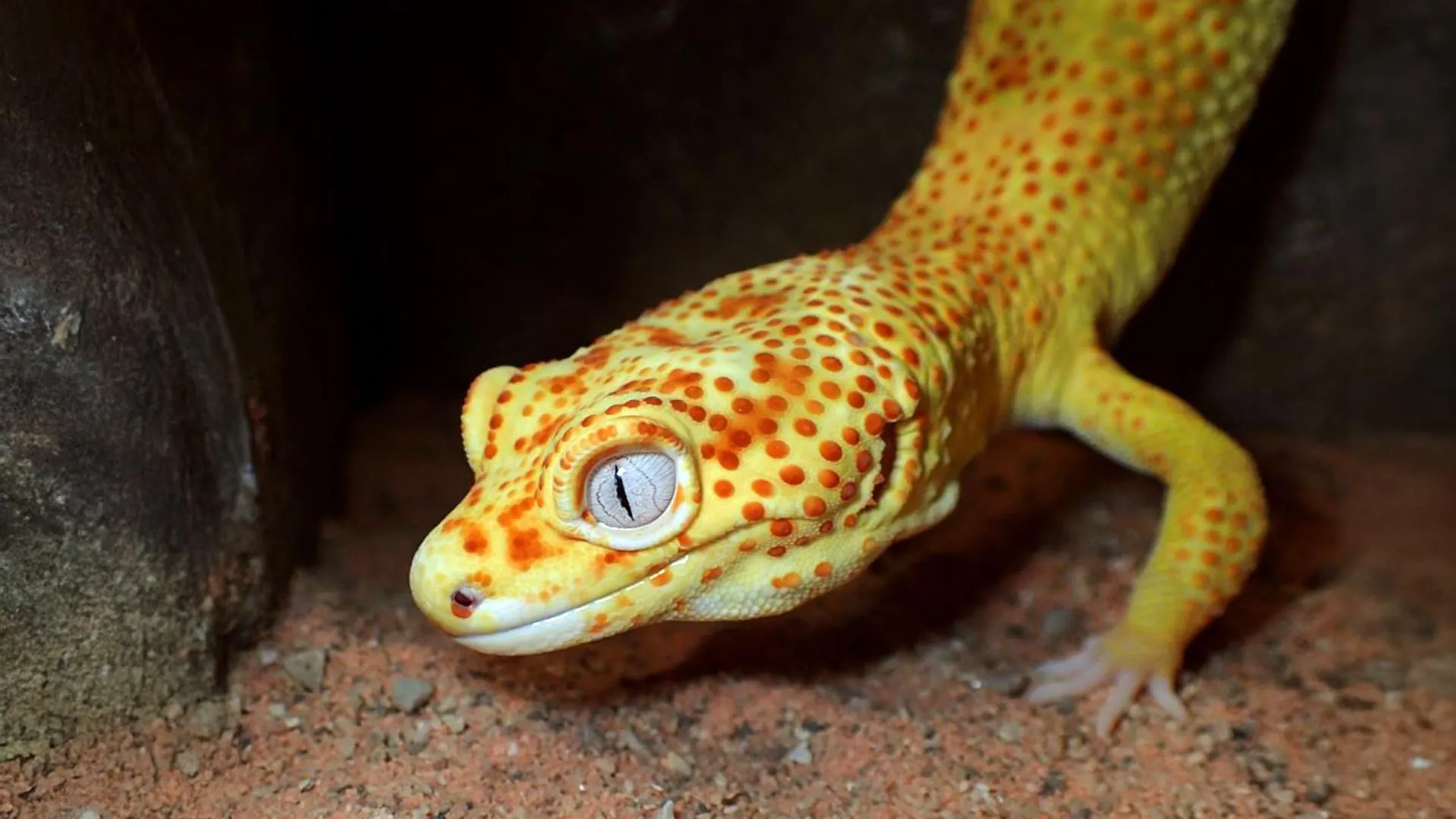
The spectrum of cancer incidence among reptiles is remarkably diverse, with certain species exhibiting an almost complete immunity to the disease while others are disproportionately affected. For instance, turtles and tortoises are rarely diagnosed with cancer. However, a distinct morph of the leopard gecko, recognized in the exotic pet market by its striking white and yellow pigmentation and often referred to as the "lemon frost" morph, presents with aggressive tumors in approximately eighty percent of its population. This striking disparity in cancer vulnerability presents a unique opportunity for comparative biological study.
Leading this groundbreaking investigation was Dr. Ylenia Chiari of the School of Life Sciences at the University of Nottingham, who emphasized the profound implications of studying these naturally occurring cancers. "Our objective is to elucidate the diverse evolutionary strategies employed by different species to combat cancer," Dr. Chiari stated. "By understanding why certain animals are exceptionally vulnerable while others possess remarkable resistance, we can unlock novel perspectives on cancer biology. Specifically, this gecko’s capacity to develop tumors naturally and at a relatively early stage of life makes it an exceptional model for cancer research. The insights gleaned from these natural mechanisms could ultimately inspire innovative approaches to cancer prevention, early detection, and therapeutic interventions in human medicine."
The genetic underpinnings of the lemon frost morph’s heightened cancer risk trace back to a spontaneous genetic mutation that manifested during the selective breeding process within a large captive population of leopard geckos. Its visually arresting white and yellow pattern rapidly garnered attention within the pet trade, but breeders soon observed a concerning trend: a high incidence of aggressive tumors that frequently exhibited metastatic potential, spreading to distant parts of the body. This observed phenomenon, distinct from the induced cancers often studied in laboratory animals, provides researchers with an unparalleled opportunity to study the natural progression of cancer.
In contrast to the artificial induction of tumor growth typically required in laboratory mouse models, the lemon frost geckos spontaneously develop cancer at a comparatively early age. The propensity for these tumors to metastasize offers scientists a rare window into the initial stages of cancer development, its subsequent evolution, and its metastatic spread under authentic biological conditions. This natural occurrence bypasses the ethical and methodological complexities associated with artificially inducing disease in research animals.
To delve deeper into the biological mechanisms driving this phenomenon, the research team employed whole genome sequencing, meticulously comparing the genetic makeup of tumor samples with healthy tissue obtained from the same geckos. This comprehensive analysis revealed a consistent pattern of genetic alterations across the examined tumors. A significant finding was the identification of altered genes and biological processes that have already been established as crucial players in the development of cancer in humans and other animal species. The researchers suggest that these shared genetic targets and pathways indicate that the study of lemon frost geckos could yield insights with broad applicability, extending far beyond the realm of reptile biology.
These findings further underscore the critical importance of expanding the repertoire of animal models utilized in biomedical research. Species that naturally exhibit a high incidence of cancer, such as the lemon frost gecko, can serve as valuable complements to traditional laboratory models, offering novel avenues for investigating the intricate complexities of oncogenesis. The adaptability of genomic analysis software, originally developed for human cancers, to provide meaningful insights into diverse organisms, as highlighted by study author Brandon Hastings, demonstrates the interdisciplinary nature of modern biological research. Hastings further articulated, "Our research fundamentally demonstrates the imperative of examining the entirety of the tree of life when seeking solutions to pressing human health challenges like cancer. This approach not only enriches our understanding of disease but also showcases the versatility of computational genomics in cross-species applications."
The broader implications of this research extend to the vital importance of biodiversity conservation. Dr. Scott Glaberman of the University of Birmingham emphasized that the findings highlight the immense value derived from studying a wide array of species. "We often focus our efforts internally to address human ailments," Dr. Glaberman commented, "but every species possesses unique knowledge to impart. By investigating both species that are susceptible to cancer and those that demonstrate resistance, we gain a significantly amplified capacity to comprehend the disease itself. This underscores why the preservation of biodiversity is not merely an environmental concern but a critical component of future medical advancements." The study’s collaborative nature, involving researchers from multiple institutions including the University of Birmingham, Marquette University, the University of Florida, and the University of Trieste, exemplifies the global effort required to tackle complex scientific questions. The team, including PhD researcher Brandon Hastings, Dr. Scott Glaberman, Dr. Tony Gamble, Dr. Robert Ossiboff, Virginia Gazziero, and Dr. Giulio Caravagna, brought together diverse expertise to achieve these significant findings.
About the Author