
The intricate process of acquiring and retaining new abilities, from mastering a musical instrument to learning a complex athletic maneuver, often presents a paradox: some competencies are assimilated with remarkable ease, while others prove stubbornly resistant to even diligent practice. This disparity extends beyond individual aptitude or dedicated effort, hinting at a deeper biological foundation—specifically, the brain’s receptivity to transforming transient experiences into robust, lasting knowledge. Emerging research illuminates a critical, yet frequently underestimated, factor in this equation: the profound influence of bodily signals transmitted to the central nervous system via the vagus nerve.
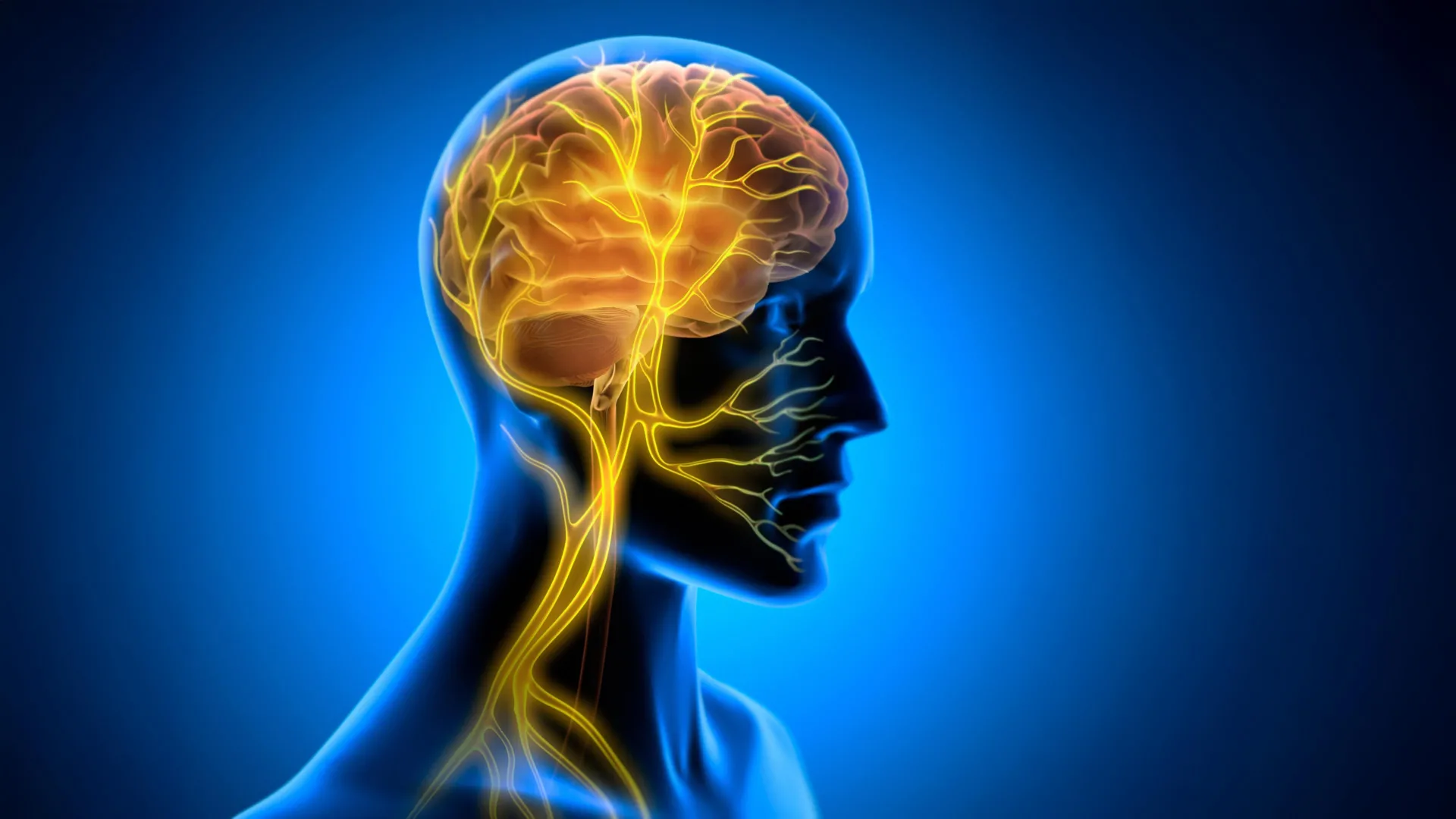
The vagus nerve, designated as the tenth cranial nerve, represents the longest and most complex of the cranial nerves. It functions as a principal conduit for bidirectional communication, relaying sensory information from numerous internal organs—including the heart, lungs, and digestive tract—to the brain, while simultaneously conveying motor and autonomic commands from the brain to these same viscera. This extensive neural superhighway plays a pivotal role in regulating a myriad of physiological processes, such as heart rate, respiration, digestion, and even inflammatory responses. Its established importance in bodily homeostasis has led to its therapeutic manipulation through vagus nerve stimulation (VNS), a technique already clinically sanctioned for managing conditions like refractory epilepsy, treatment-resistant depression, and cluster headaches. Historically, the therapeutic benefits of VNS have primarily been attributed to its neuromodulatory effects, influencing the activity of various neurotransmitter systems within the brain. However, a recent investigation conducted by researchers at Tohoku University, specializing in the physiology of brain super networks, suggests a novel and distinct mechanism for VNS-enhanced learning, one that hinges on rhythmic alterations in the brain’s vascular environment.
Published in the journal iScience on August 25, 2026, the study introduces a compelling perspective on how peripheral bodily feedback can significantly augment the enduring acquisition of motor skills. The research team specifically explored whether activation of this crucial nerve following a training period could solidify motor learning in an animal model. Their findings underscore a previously understated role for afferent signals originating from the body in fostering the persistence of newly acquired abilities.
To meticulously examine this hypothesis, the scientists developed a specialized, miniature cuff electrode designed for precise and stable attachment to the left cervical vagus nerve in mice. This allowed for controlled delivery of electrical impulses to the nerve. The experimental paradigm involved assessing the impact of VNS during horizontal optokinetic response (HOKR) learning. The HOKR task is a well-established, cerebellum-dependent eye movement exercise that trains mice to refine their capacity to visually track moving stripes. This specific response bears a functional resemblance to the involuntary eye adjustments people make when observing a passing train from a stationary platform. Its cerebellar dependence makes it an ideal model for studying motor learning and adaptation.
A critical aspect of the study’s design was the precise timing of the vagus nerve stimulation. Rather than administering VNS concurrently with the learning task, the researchers applied it exclusively after each training session concluded. This deliberate choice revealed a profound insight: the stimulation did not confer any immediate performance enhancement during the actual learning process. Instead, the profound advantages of VNS became evident in the subsequent days. Mice that received post-training VNS exhibited significantly more robust and sustained long-term learning outcomes. This observed pattern strongly indicates that the vagal stimulation operates by influencing the neurobiological processes that unfold after a learning event, particularly those involved in the consolidation of newly acquired information into more permanent and accessible memories.
Professor Ko Matsui, a lead investigator in the study, emphasized the significance of this temporal specificity. "The pivotal finding is that VNS was administered solely following the training," Matsui stated. "Our observations suggest that VNS might unlock a previously unappreciated ‘window of opportunity,’ creating an optimal cerebral environment that is uniquely receptive to enduring neuroplastic changes and enhanced skill retention." This concept of a post-training consolidation window is paramount, suggesting that the brain isn’t merely a passive recipient of information but actively processes and integrates experiences into its existing neural architecture, a process that can be beneficially modulated.
Delving deeper into the underlying mechanisms, the research team next investigated the physiological alterations occurring within the brain that might correlate with the observed improvements in learning. Their attention focused on blood volume dynamics in the vicinity of the cerebellar flocculus, a region known to be intimately involved in HOKR learning. Employing fiber photometry, a technique enabling real-time measurement of neural activity and associated physiological changes, the scientists detected a distinctive two-phase vascular response initiated by a single instance of VNS. Initially, a transient decrease in local blood volume was observed, which was subsequently followed by a delayed but sustained increase. Crucially, when VNS was applied repeatedly, it orchestrated the emergence of rhythmic oscillations in cerebral blood volume.
These dynamic vascular rhythms appeared to be intricately linked to the learning outcomes. The mice demonstrating more pronounced oscillations in cerebral blood volume consistently exhibited superior learning capabilities by the fifth day of the experiment. This compelling correlation strongly implies that alterations within the brain’s vascular microenvironment could serve as a crucial intermediary connecting the vagal stimulation to its longer-lasting effects on skill acquisition. This finding is particularly groundbreaking because it shifts the focus from purely neuronal signaling to the vital role of neurovascular coupling—the dynamic relationship between neuronal activity and cerebral blood flow—in shaping brain plasticity and learning. The brain’s metabolic demands are immense, and an optimized vascular system ensures adequate oxygen and nutrient delivery, as well as efficient waste removal, all of which are critical for robust synaptic strengthening and the formation of new neural connections essential for memory consolidation.
Junyu Chen, the lead author of the study, reflected on the broader implications of these discoveries. "Our brains, it appears, are far more profoundly influenced by the body’s internal state than we might have previously conceived," Chen commented. "By strategically modulating the brain’s metabolic milieu, including these rhythmic movements of the cerebral vasculature, we may eventually be able to unlock latent cognitive and motor capacities that would otherwise remain untapped." This perspective emphasizes a holistic view of brain function, where the interplay between the central nervous system and the peripheral body is not merely modulatory but fundamental to optimal cognitive performance and learning.
The implications of this research are far-reaching. Beyond offering a deeper theoretical understanding of learning and memory formation, these findings open new avenues for therapeutic interventions. The ability to enhance skill retention through a non-invasive or minimally invasive technique like VNS holds immense promise for various clinical and educational applications. This could include accelerating motor recovery in stroke patients undergoing physical rehabilitation, improving the efficacy of language acquisition therapies, or even bolstering the learning processes in individuals with certain cognitive impairments. By leveraging the body’s intrinsic communication pathways, future strategies might harness the vagus nerve to optimize brain function for skill development across the lifespan.
Future research endeavors will undoubtedly focus on refining the specific parameters of vagus nerve stimulation protocols, including optimal frequency, intensity, and duration, as well as the precise timing relative to learning events. A more detailed elucidation of how these induced vascular rhythms translate into tangible synaptic and cellular changes that underpin long-term plasticity will also be critical. Furthermore, investigating the translational potential of these findings from rodent models to human subjects will be a crucial next step, paving the way for potential clinical trials. By meticulously unraveling the intricacies of this sophisticated two-way communication pathway between the brain and the body, scientists aspire to gain a more comprehensive understanding of how learning becomes truly enduring and, crucially, how this fundamental process might be deliberately enhanced for the benefit of human health and performance.
About the Author









