
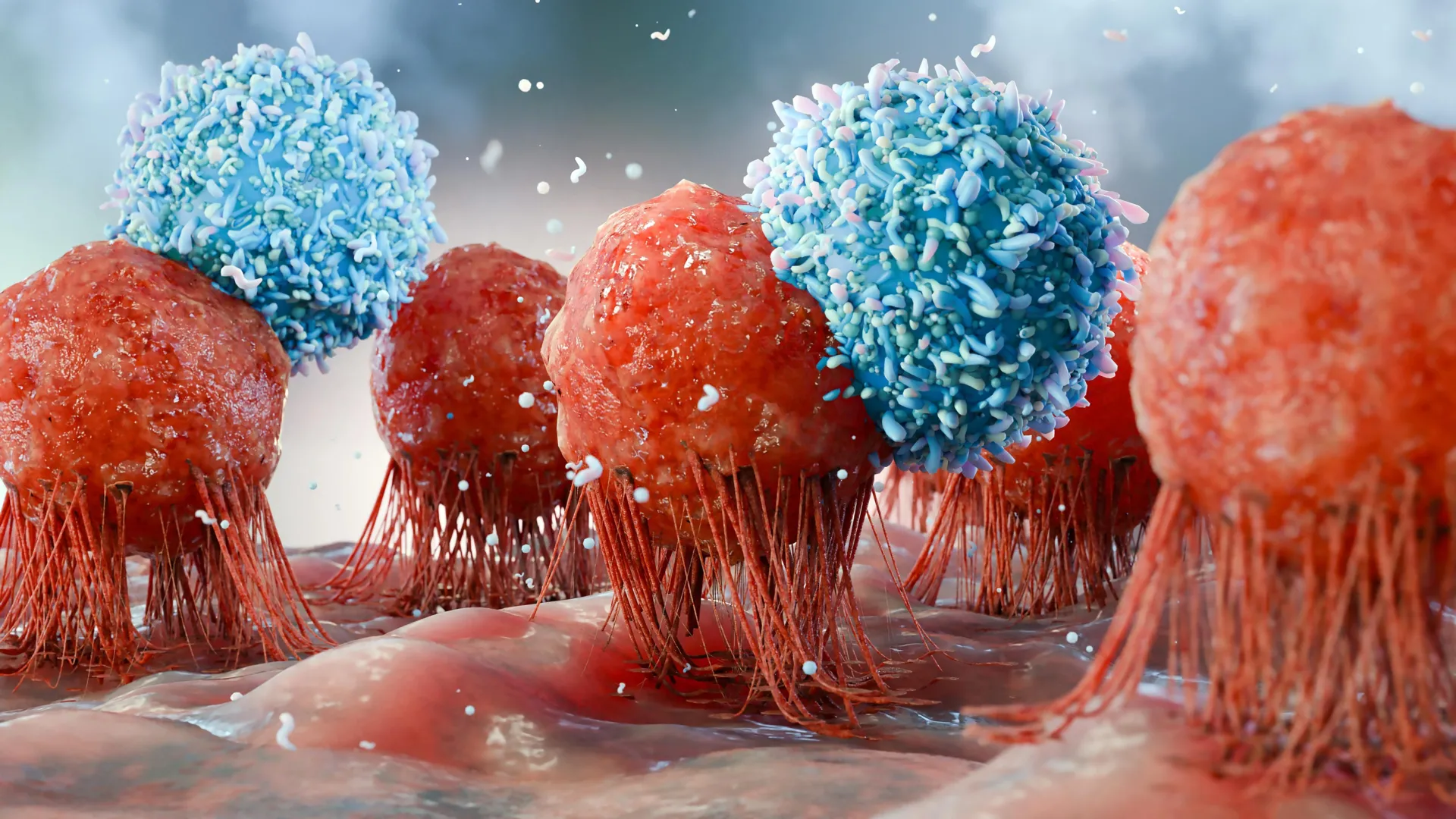
Revolutionary cancer treatments leveraging the body’s inherent defense mechanisms have transformed oncology, offering renewed hope for patients battling various malignancies. Central to many of these immunotherapies are T cells, specialized white blood cells meticulously designed to identify and eliminate aberrant cells, including those forming tumors. While these approaches, particularly those involving checkpoint inhibitors, can unleash a powerful anti-cancer assault, a significant and persistent challenge often curtails their long-term efficacy: T-cell exhaustion. This debilitating state, characterized by a progressive loss of effector functions and reduced proliferative capacity, critically impairs the immune system’s ability to mount a sustained and potent offensive, frequently leading to disease progression despite initial positive responses.
The phenomenon of T-cell exhaustion represents a critical hurdle in the broader application and success of modern immunotherapeutic strategies. Clinicians and researchers have observed that many patients initially respond remarkably well to these advanced treatments, experiencing a significant reduction in tumor burden. However, for a substantial subset, this promising start is tragically short-lived, as their T cells, after an intense period of activity, become functionally impaired and unable to maintain their attack. This "burnout" allows cancer cells to resume unchecked proliferation, leaving patients and their medical teams grappling with the return of the disease. Understanding the underlying mechanisms driving this exhaustion is paramount to developing strategies that can sustain the immune response and deliver more durable remissions.
Recent groundbreaking research conducted by a team of physician-scientists at Memorial Sloan Kettering Cancer Center (MSK), led by Dr. Santosha Vardhana, has cast new light on the molecular underpinnings of T-cell exhaustion. Their findings, published in the esteemed journal Immunity, pinpoint a specific signaling molecule, Mitogen-Activated Protein Kinase Kinase (MEK), as a crucial regulator influencing whether T cells maintain their anti-tumor vigor or succumb to an exhausted state. This discovery opens promising avenues for intervention, suggesting that judicious modulation of MEK activity could prevent T-cell burnout, thereby enhancing the enduring effectiveness of immunotherapies. A particularly exciting aspect of this revelation is the existing availability of FDA-approved MEK inhibitors, potentially accelerating the transition of this research from preclinical models to human clinical trials.
The journey to understanding T-cell exhaustion has been complex, gradually unraveling its multifaceted nature. Early investigations into the phenomenon primarily focused on the expression of inhibitory receptors on the surface of T cells, which act as "brakes" on their activity. While crucial, these surface markers only told part of the story. Dr. Vardhana’s laboratory, in earlier work dating back to 2020, significantly advanced this understanding by identifying cellular metabolism as a pivotal factor. Metabolism refers to the intricate network of biochemical processes within a cell that convert nutrients into energy and building blocks necessary for life and function. In the context of persistently activated T cells confronting a tumor, this metabolic machinery operates under immense stress.
T cells, when activated by the presence of tumor antigens—specific proteins on cancer cells that the immune system recognizes as foreign—initiate a rapid and intense program of proliferation and cytotoxic protein production. These cytotoxic proteins, such as perforin and granzymes, are the immune system’s direct tools for killing cancer cells. This heightened activity places an enormous metabolic demand on the cells, particularly on their mitochondria. Mitochondria, often dubbed the "powerhouses" of the cell, are organelles responsible for generating adenosine triphosphate (ATP), the primary energy currency that cells use to fuel all their activities. Under continuous stimulation, as observed in the tumor microenvironment, the mitochondria within T cells can become overwhelmed, struggling to meet the escalating energy requirements.
Dr. Vardhana explains that the cellular decision to produce high levels of these potent, cancer-killing proteins is tightly regulated by MEK signaling. If MEK becomes hyperactive, it essentially drives the T cells to operate at an unsustainable peak performance, akin to an engine constantly running at redline. This relentless demand for energy and protein synthesis eventually pushes the T cells past a point of no return, leading to terminal exhaustion. In this severely depleted state, the cells are not only incapable of effective anti-tumor activity but also become refractory to reactivation by existing immunotherapies, rendering further treatment futile.
A surprising finding from the research, spearheaded by Dr. Tanmana Mitra, a student in the Vardhana lab and the study’s first author, challenged prevailing assumptions about exhausted T cells. Conventional wisdom often posited that exhausted cells were metabolically sluggish, lacking the energy to perform their functions. However, the MSK team discovered the opposite: exhausted T cells were, in fact, metabolically highly active. When treated with MEK inhibitors, these T cells exhibited an intriguing response: they multiplied more effectively while paradoxically consuming less overall energy. This observation unveiled a critical insight: T-cell exhaustion is not simply a deficit of energy, but rather an imbalance where excessive energy is channeled into a specific, ultimately self-defeating, pathway.
Dr. Mitra elucidated this paradox, stating that the research revealed these hyperactive, exhausted cells were "investing enormous resources into making proteins." This re-evaluation fundamentally shifted their perspective on T-cell exhaustion, transforming it from a problem of insufficient energy reserves to one of misdirected, excessive energy demand. The implication was profound: instead of needing to boost energy production, the key might be to re-regulate how T cells utilize their existing metabolic resources, preventing them from overextending themselves into an irreversible state of terminal exhaustion.
These findings suggest a novel therapeutic strategy: by reducing the intensity of MEK signaling, the researchers theorized they could alleviate the incessant pressure on T cells to continuously churn out cytotoxic proteins. This metabolic re-calibration would allow some T cells to maintain their active state for longer periods and retain their capacity for self-renewal, thereby potentially extending the duration of effective immunotherapy. Dr. Vardhana likened this strategy to pacing oneself during a marathon or a long road trip; driving at maximum speed from the outset guarantees running out of fuel prematurely. By moderating the intensity, the "fuel" (cellular energy and functional capacity) is conserved, enabling the journey (the anti-tumor response) to continue for a significantly longer duration. In preclinical models, inhibiting MEK signaling indeed allowed T cells to persist and remain functionally competent even within the notoriously hostile tumor microenvironment.
However, the researchers caution that a blanket application of MEK suppression is unlikely to be the optimal approach for every cancer patient. The nuanced biology of T-cell exhaustion reveals that this state is not merely a sign of weakness but can also function as a protective mechanism. As demonstrated by previous work from MSK immunologist Dr. Andrea Schietinger, T cells can enter an exhausted state to prevent hyperstimulation and subsequent cell death. This "safe mode" allows them to survive in the face of persistent antigen exposure, albeit with reduced functionality.
This intricate balance presents a therapeutic dilemma. While strong MEK activity drives T cells to attack cancer at their maximum intensity, it also rapidly propels them toward complete burnout. Conversely, blocking MEK can extend T-cell survival by making them more "conservative" in their energy expenditure and cytotoxic protein production, but at the cost of a potentially less intense immediate attack. Dr. Vardhana elegantly framed this as an issue of cellular "bank accounts" and "currency" (ATP). MEK essentially dictates whether exhausted cells "conserve fuel or go for broke." Inhibiting MEK encourages conservation, prolonging their lifespan but reducing the immediate rate of cancer cell killing. Therefore, the decision to modulate MEK activity involves a critical trade-off: is a short, incredibly powerful immune response preferable, or a slower, more sustained attack? The answer, the researchers suggest, will depend significantly on the unique characteristics of an individual patient’s cancer and their immune status.
This leads to a proposed stratification strategy for applying MEK inhibitors. For patients with relatively small tumor burdens and a robust, abundant population of tumor-fighting T cells, a "full speed ahead" approach might still be optimal. In these scenarios, the immune system might be likened to a car with just an eighth of a tank of fuel, but the finish line is clearly in sight. Here, traditional immunotherapy, allowing the T cells to burn their fuel intensely, could be sufficient to eradicate the cancer quickly. MEK inhibition would likely not be necessary or even beneficial, potentially blunting an otherwise decisive rapid response.
The scenario shifts dramatically for patients grappling with large, bulky tumors or those with a relatively sparse population of tumor-infiltrating immune cells. In these challenging cases, the sheer magnitude of the cancerous burden combined with a limited immune workforce means that a rapid, intense, but short-lived immune response is unlikely to be sufficient for complete tumor elimination. Here, fostering a slower, yet sustained and persistent anti-tumor response through MEK inhibition could be critically important. By extending the operational lifespan of T cells, even if they are partially exhausted, the immune system might gain the necessary endurance to gradually overcome the tumor. This strategy of "pacing" becomes particularly relevant when the task (the tumor) is formidable or the available resources (the number of T cells) are scarce.
The potential applications of carefully titrated MEK inhibition extend across several cutting-edge cancer immunotherapy modalities. Beyond its relevance to checkpoint inhibitors, where MEK inhibition has already demonstrated efficacy in melanoma when combined with checkpoint inhibitors and BRAF inhibitors, its utility could be far-reaching. In Chimeric Antigen Receptor (CAR) T-cell therapy, a groundbreaking treatment where a patient’s T cells are genetically engineered to specifically target cancer cells, a major limitation has been the lack of T-cell persistence. Dr. Vardhana believes MEK modulation could dramatically boost the longevity of these engineered T cells, leading to more durable responses.
Similarly, in Tumor Infiltrating Lymphocyte (TIL) therapy, where immune cells already attacking a patient’s cancer are isolated, expanded in the lab, and then reinfused, MEK inhibition could play a crucial role. Administering MEK inhibitors either before or after TIL therapy might help the most potent tumor-fighting TILs survive longer within the patient, augmenting their therapeutic impact. Furthermore, bispecific antibodies, engineered proteins designed to simultaneously bind to T cells and cancer cells to bridge them and activate the immune response, often induce intense T-cell stimulation. While powerful, this intense activation can ironically contribute to rapid T-cell exhaustion. MEK modulation could potentially mitigate this, allowing for a more controlled and sustained activation.
This comprehensive study underscores the profound importance of delving into the core principles of T-cell biology. Understanding the intricate balance between energy conservation and potent, cancer-fighting activity is not merely an academic exercise; it is the foundation upon which future therapeutic breakthroughs will be built. As Dr. Vardhana eloquently states, once this fundamental balance is understood, the therapeutic possibilities truly begin to multiply, paving the way for more effective, tailored, and enduring cancer treatments. The immediate clinical relevance, amplified by the availability of existing drugs, positions this research as a significant leap forward in the ongoing battle against cancer.
About the Author









