Maintaining robust physical health, particularly in the upper body, becomes increasingly vital as individuals advance beyond their sixth decade of life. The shoulders, complex ball-and-socket joints, are central to a vast array of daily activities, from reaching into overhead cupboards to carrying groceries, and their strength and mobility directly impact independence and quality of life. While various fitness modalities exist, a growing body of evidence and expert opinion suggests that specific dumbbell-based exercises offer superior benefits for cultivating comprehensive shoulder strength and stability in older adults compared to conventional machine-based training. This approach is not merely about muscle hypertrophy but rather about fostering functional strength that translates directly to enhanced daily living and reduced risk of injury.
The human body undergoes several physiological transformations with age, a process often referred to as sarcopenia, which describes the gradual loss of muscle mass and strength. This natural decline can be particularly pronounced in key muscle groups if not actively counteracted through resistance training. For the shoulder complex, this can mean reduced range of motion, diminished power, and an increased susceptibility to common injuries like rotator cuff tears or dislocations. Therefore, engaging in targeted strength training becomes not just beneficial, but a critical preventative measure and a cornerstone of healthy aging.
When evaluating equipment choices for strength training, the distinction between free weights, such as dumbbells, and resistance machines is significant, especially for the mature population. Exercise machines typically guide the user through a fixed, predetermined movement path. While this can offer a sense of security and allow for the isolation of specific muscle groups, it often comes at the expense of engaging the smaller, stabilizing muscles that are crucial for joint integrity and functional movement. Dumbbells, conversely, demand that the user control the weight throughout the entire range of motion, requiring the active participation of numerous synergistic and stabilizing muscles around the joint.
According to Allison Kalsched, a NASM-Certified Personal Trainer and Women’s Fitness Coach, the deliberate choice to utilize free weights over machines stems from their capacity to elicit greater muscular involvement. "Working with dumbbells inherently activates more muscle groups because the apparatus itself does not assist in stabilizing the load," Kalshed explains. This intrinsic demand for stabilization means that not only are the primary target muscles working, but also the surrounding smaller muscles and connective tissues are strengthened, leading to more resilient joints.
Echoing this sentiment, Jose Guevara, a Fitness Expert and Chiropractor, emphasizes the multifaceted benefits of dumbbell workouts. He points out that the non-fixed trajectory of dumbbells necessitates control over the weight, thereby enhancing both strength and stability simultaneously. "Machines streamline the pushing or pulling action, which is effective for building raw strength in a primary muscle, but it often bypasses the critical stability component," Guevara states. "Dumbbells, on the other hand, compel the user to manage the weight’s movement, providing a more holistic stimulus to the entire shoulder girdle, including the intricate rotator cuff musculature." This integrated approach to training is particularly advantageous for seniors, as it cultivates not just larger, stronger muscles but also improves neuromuscular coordination and proprioception – the body’s sense of its position in space – which are key factors in fall prevention.
The functional advantages of free weights extend beyond mere muscle activation. Dumbbell exercises often mimic movements performed in everyday life, translating into practical strength that directly improves an individual’s ability to perform daily tasks with greater ease and safety. This "functional strength" is paramount for maintaining autonomy as one ages. The ability to move weights independently in multiple planes of motion helps to develop balanced strength, addressing potential muscular imbalances that can arise from repetitive movements or machine-only training.
Incorporating a well-rounded regimen of dumbbell exercises can effectively target the various heads of the deltoid muscles, along with the rotator cuff and other supporting structures. Here are five foundational dumbbell exercises that, when performed with proper form and appropriate resistance, can significantly contribute to superior shoulder strength and overall upper body resilience for individuals over 60:
1. Lateral Raises: This exercise primarily targets the medial (side) deltoid head, responsible for the outward movement of the arm from the body (abduction). By strengthening this muscle, individuals can improve their ability to lift objects to the side, reach for items, and enhance the overall width and appearance of the shoulders. For older adults, strong lateral deltoids contribute to better posture and help in activities requiring arm elevation. The key is to use a light to moderate weight, maintaining control throughout the movement, and avoiding any swinging motions that rely on momentum rather than muscle engagement.
2. Standing Overhead Presses: Also known as shoulder presses, this compound movement engages all three heads of the deltoids (anterior, medial, posterior) along with the triceps and upper trapezius muscles. Performing this exercise while standing adds a crucial element of core stability, as the abdominal and lower back muscles must work to maintain an upright posture against the resistance. This functional benefit is invaluable for seniors, as it mimics real-world actions like placing objects on a high shelf or reaching overhead. Starting with very light dumbbells and focusing on a full, controlled range of motion is paramount to protect the shoulder joint.
3. Bench Bent-Over Rows: While primarily a back exercise, the bent-over row heavily involves the posterior deltoids and the stabilizing muscles of the shoulder blades, making it essential for comprehensive shoulder health. This movement strengthens the muscles responsible for pulling objects towards the body and retracting the shoulder blades, which is critical for counteracting the forward-rounded posture often associated with desk work or age. For older adults, robust back and posterior shoulder strength aids in lifting, carrying, and maintaining an upright posture, thereby reducing strain on the spine and improving overall functional capacity. Performing this exercise with one hand on a bench provides support and helps isolate the working side.
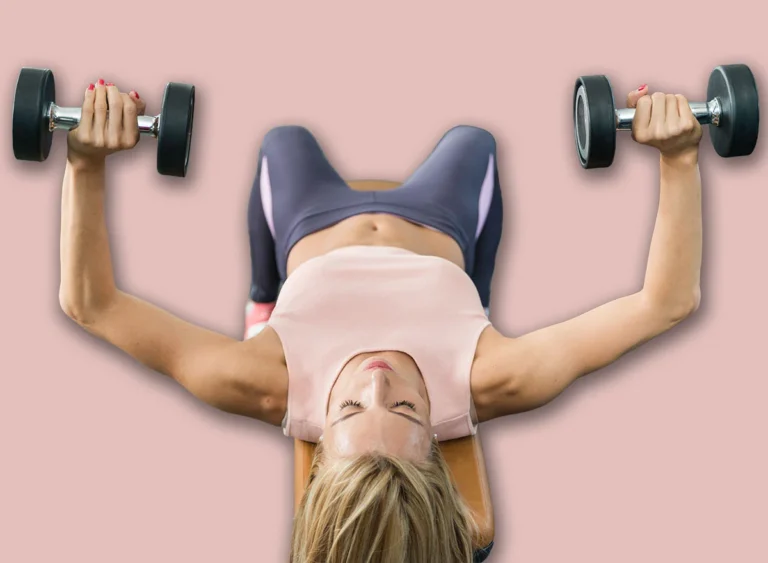
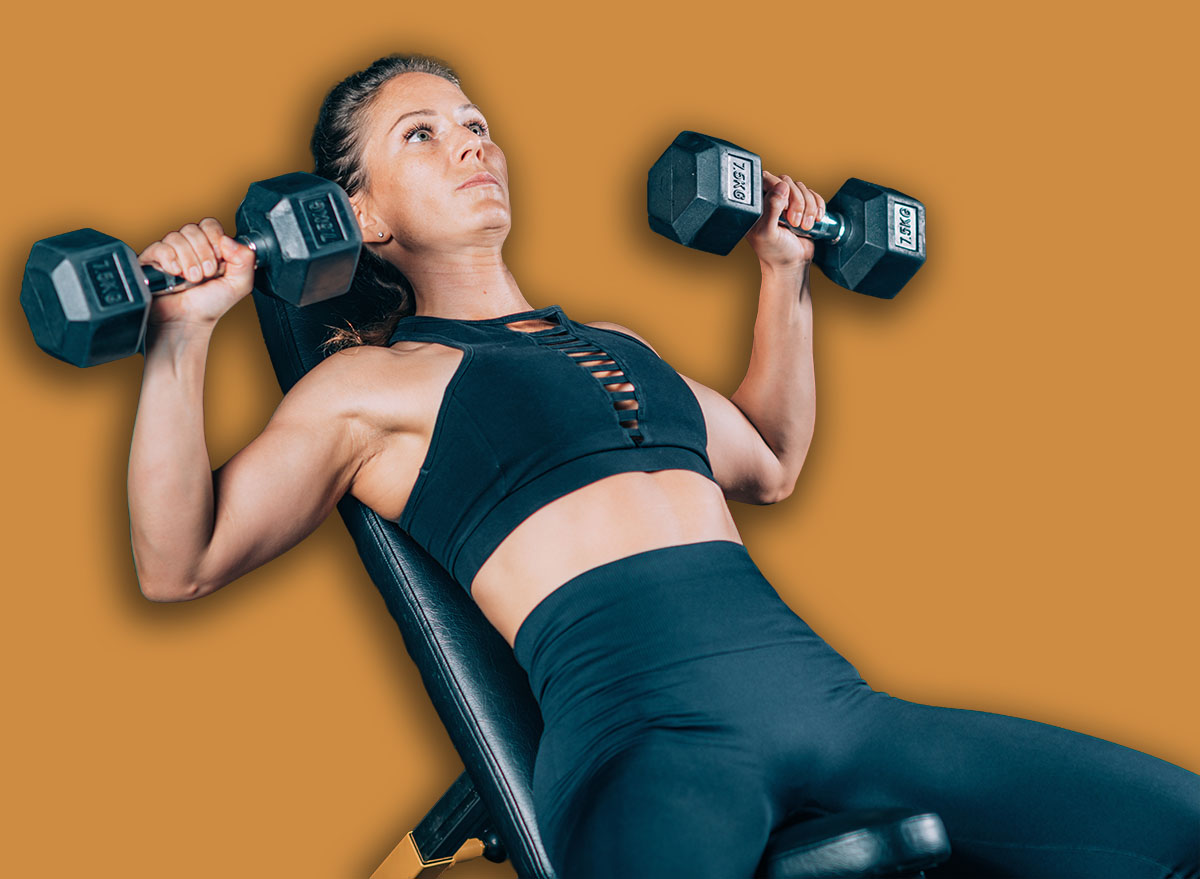
4. Incline Chest Press: Although primarily a chest exercise, the incline press significantly recruits the anterior (front) deltoids and triceps. By performing this exercise on an incline bench, the emphasis shifts more towards the upper chest and front of the shoulders compared to a flat bench press. Strengthening these muscles supports pushing movements, which are integral to daily tasks such as pushing open heavy doors, getting up from a chair, or maintaining balance by pushing off surfaces. For seniors, this exercise builds practical pushing power and contributes to a balanced development of the shoulder girdle when paired with pulling movements. Careful selection of weight and controlled execution are vital to protect the shoulder joint.
5. Pendulum Swings (Pendulums): This exercise is often used for rehabilitation and warm-up, but it also serves as an excellent way to gently mobilize and strengthen the rotator cuff muscles and improve shoulder joint lubrication. Performed by leaning forward and letting the arm hang freely, then making small circular motions, pendulum swings help to increase blood flow to the shoulder joint and surrounding tissues without placing excessive strain. For individuals over 60, this non-impact, controlled movement can be particularly beneficial for improving shoulder mobility, alleviating stiffness, and enhancing overall joint health, serving as both a preparatory movement and a low-intensity strengthening exercise. It’s crucial to use minimal to no weight (or a very light dumbbell) and focus on smooth, fluid motions.
Beyond the specific exercises, certain training principles are particularly important for older adults embarking on or continuing a strength training program. Always prioritize proper form over heavy weight. Starting with lighter dumbbells allows for mastery of the movement pattern, which reduces the risk of injury and maximizes muscle activation. Progressive overload, the gradual increase in resistance or repetitions over time, is fundamental for continued strength gains. However, this progression should be slow and deliberate, always listening to the body’s feedback. Rest and recovery are equally important, allowing muscles to repair and grow stronger. Adequate nutrition, including sufficient protein intake, and consistent hydration also play crucial roles in supporting muscle health and overall well-being.
Before initiating any new exercise regimen, especially after the age of 60, consulting with a healthcare professional or a certified personal trainer experienced in senior fitness is highly recommended. They can assess individual health status, identify any contraindications, and help tailor a program that is safe, effective, and aligned with personal fitness goals.
In conclusion, while resistance machines have their place in a gym setting, the versatility, functional benefits, and comprehensive muscle engagement offered by dumbbell exercises make them an exceptionally potent tool for building and maintaining robust shoulder strength and stability in individuals over 60. By embracing these free-weight movements, seniors can significantly enhance their physical capabilities, mitigate age-related muscle decline, and ultimately enjoy a more active, independent, and higher quality of life. The path to resilient shoulders and sustained vitality is often found in the deliberate, controlled, and functionally rich movements that dumbbells uniquely provide.
About the Author