Maintaining robust physical capabilities is a cornerstone of a high quality of life, particularly as individuals advance in age. Among the myriad components contributing to overall fitness, core strength holds a paramount position, influencing everything from posture and balance to the effortless execution of daily tasks. Far from being merely about visible abdominal muscles, the core represents a complex system of muscles that stabilize the spine and pelvis, acting as the body’s central powerhouse. As the population ages, the preservation of this integral strength becomes even more critical, serving as a key determinant of an individual’s capacity to live an active and independent life. One deceptively simple yet profoundly effective exercise, the glute bridge, has emerged as a significant indicator and builder of this essential functional strength, offering a valuable benchmark for assessing physical resilience, especially for those over 65.
The natural process of aging often brings with it a gradual decline in muscle mass and strength, a condition known as sarcopenia. This physiological change, coupled with potential reductions in bone density and neuromuscular coordination, can significantly impact balance and mobility. A weakened core exacerbates these age-related challenges, contributing to poor posture, increased risk of falls, and a heightened susceptibility to musculoskeletal pain, particularly in the lower back. Consequently, activities once performed with ease—like rising from a chair, ascending stairs, or even carrying groceries—can become strenuous or unsafe. Recognizing and proactively addressing core strength deficiencies is thus not merely about athletic performance, but about sustaining fundamental human movement and preserving autonomy.
Understanding the "core" in its comprehensive sense is crucial for appreciating the glute bridge’s efficacy. The core is not solely defined by the rectus abdominis, the superficial muscle responsible for the "six-pack" aesthetic. Rather, it encompasses a sophisticated network of muscles including the deep abdominal muscles (transversus abdominis, internal and external obliques), the pelvic floor, the diaphragm, the multifidus muscles along the spine, and critically, the glutes and hamstrings. These muscles work in concert to provide stability to the trunk, facilitate efficient force transfer between the upper and lower body, and protect the spine from excessive movement. A truly strong core ensures that the body moves as a cohesive unit, distributing load effectively and preventing compensatory patterns that can lead to injury or chronic pain.
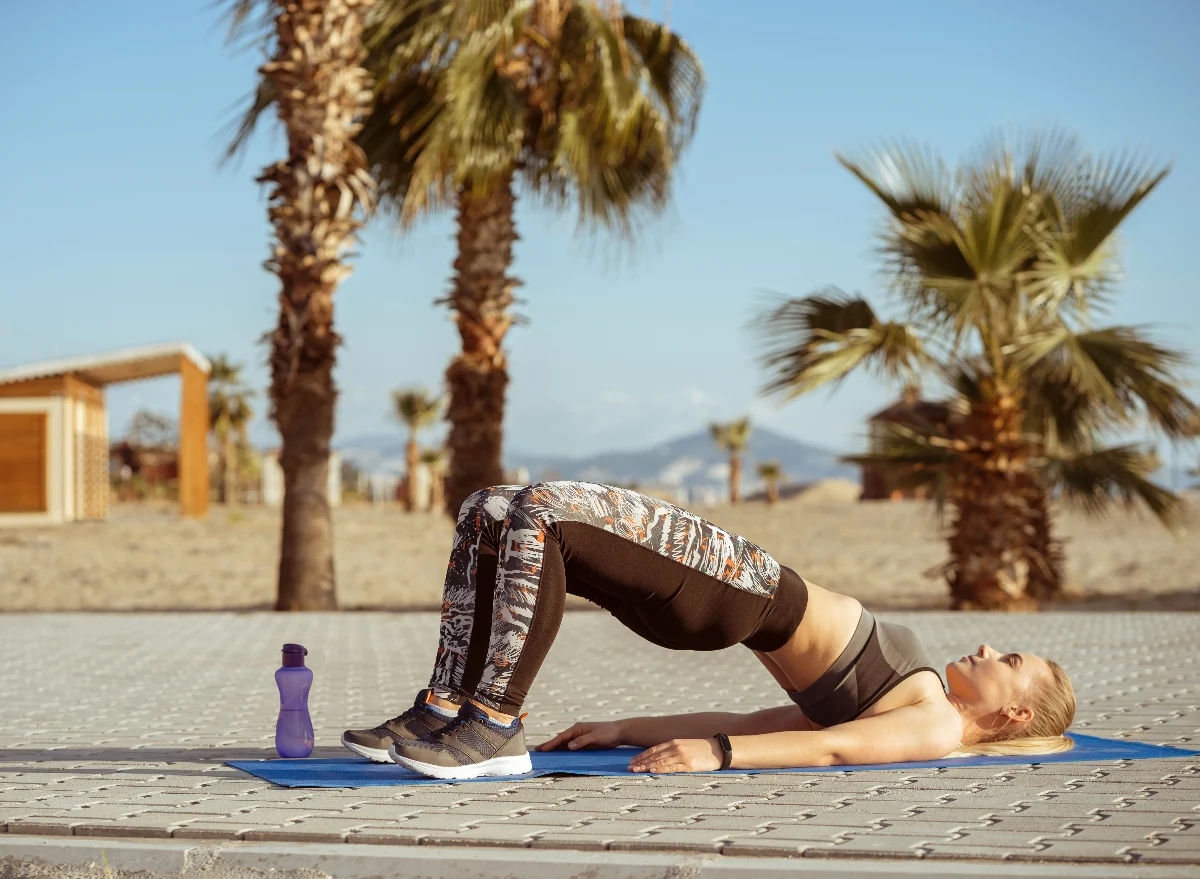
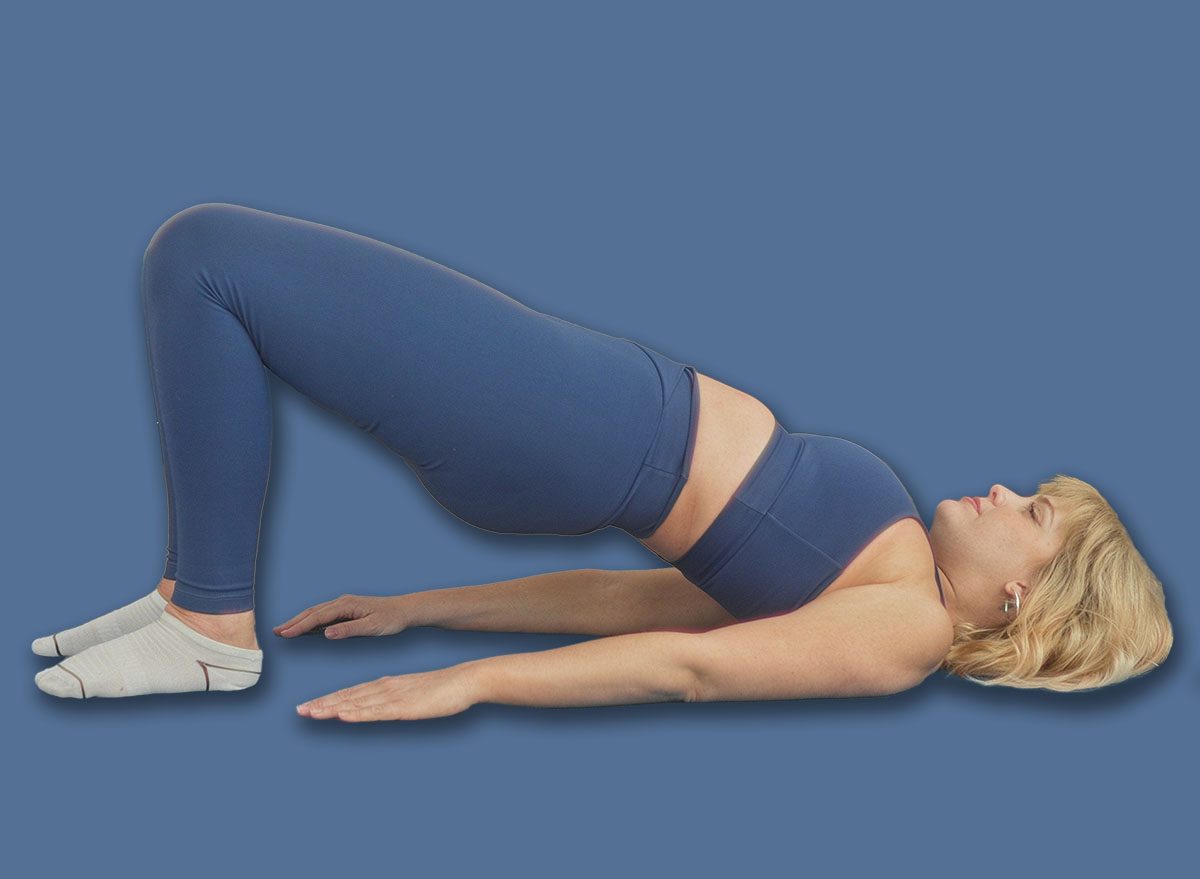
The glute bridge, a fundamental bodyweight exercise, stands out as an excellent tool for both strengthening and assessing this vital core complex. Its execution is straightforward: an individual lies on their back with knees bent and feet flat on the floor, then lifts their hips towards the ceiling until their body forms a straight line from knees to shoulders, engaging the posterior chain. This seemingly simple movement actively targets the gluteal muscles (maximus, medius, and minimus), hamstrings, and erector spinae, while simultaneously engaging the deep abdominal muscles to stabilize the pelvis and lumbar spine. The exercise effectively promotes hip extension, a foundational movement pattern essential for walking, running, and jumping. By requiring the maintenance of a stable, elevated position against gravity, the glute bridge builds muscular endurance, a key aspect of functional strength that allows sustained effort during daily activities.
A critical aspect highlighted by fitness professionals, such as Bridget Moroney, Head Coach at EGYM Fitness in Denver, Colorado, is the glute bridge’s unique contribution to core training compared to more conventional abdominal exercises. While exercises like crunches and sit-ups primarily focus on spinal flexion, the glute bridge trains the core in an anti-extension capacity. Moroney explains, "Most of us spend our time training flexion and push anti-extension work to the back burner. The bridge fills that gap by teaching your core to stabilize and resist extension, which is what your body actually needs for real-world function. You need both patterns. The problem is imbalance, not flexion itself." This distinction is profound; resisting extension means preventing the lower back from arching excessively, a common issue that can lead to pain and instability. In daily life, the body constantly needs to resist gravity and maintain a neutral spine, whether sitting, standing, or lifting. The glute bridge directly addresses this functional requirement, fostering a balanced core that is robust in all planes of movement.
From a functional fitness perspective, the glute bridge is more than just an exercise; it’s a diagnostic indicator of how well an individual’s core, glutes, and hips integrate to support dynamic movement. Moroney emphasizes this interconnectedness: "Real-world movement doesn’t isolate your core anyway. Your glutes, core, and hip stability work together whether you’re climbing stairs or getting out of a chair." The ability to perform a controlled glute bridge signifies a synergistic engagement of these muscle groups, reflecting the body’s natural biomechanics. This integrated strength is what allows for smooth, efficient, and pain-free movement in everyday life. Without this coordination, individuals often resort to compensatory patterns, where weaker muscles take over the role of stronger ones, leading to imbalances, strain, and ultimately, pain or injury in areas like the knees or lower back.
For individuals over the age of 65, a specific benchmark for the glute bridge hold has been identified as a strong indicator of superior core strength and functional capacity. Achieving a stable, controlled glute bridge hold for 60 seconds is considered a top-tier performance. This standard is not arbitrary; it derives from established functional fitness criteria and observations of individuals who consistently exhibit excellent mobility and independence as they age. The emphasis, Moroney clarifies, is on the quality of the hold over its mere duration. "A strong 60-second hold with proper glute engagement and neutral spine beats a shaky 90-second hold where the back compensates," she notes. This means maintaining a flat line from shoulders to knees, actively squeezing the glutes, and ensuring the lower back does not arch or sag throughout the minute-long duration. It is a testament to sustained muscular endurance and impeccable form.
The implications of achieving this 60-second glute bridge benchmark extend far beyond the gym floor. Strong glute bridge performance signals a resilient core and powerful glutes, two indispensable assets for maintaining an active, self-sufficient lifestyle. Individuals who can comfortably hold this position are far less likely to experience the chronic lower back pain that plagues many older adults. Their improved hip stability and glute strength translate into better balance, significantly reducing the risk of falls—a leading cause of injury and mortality among seniors. Moreover, the enhanced muscular endurance and coordinated strength enable them to perform activities of daily living, such as getting in and out of a car, carrying groceries, or walking long distances, with greater ease and confidence, free from the compensatory movements that often lead to knee pain or further back issues.
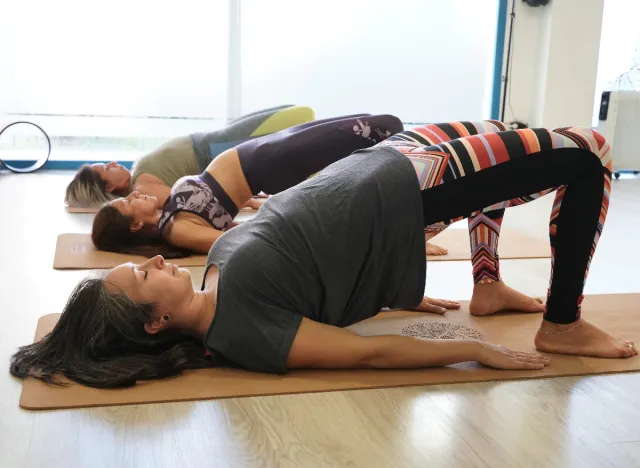
For those looking to achieve or improve their glute bridge performance, a progressive approach is key. Starting with mastering the basic form, focusing on deliberate muscle engagement and a neutral spine, is paramount. Once the foundational hold is solid, the exercise can be advanced by adding external resistance, such as placing a weight plate across the hips. Further variations, like the single-leg glute bridge, which significantly increases the challenge to unilateral strength and stability, or the glute bridge march, where one foot is lifted off the floor alternately, can further enhance strength and coordination. Incorporating these variations into a regular fitness routine, ideally under the guidance of a qualified fitness professional, can systematically build the necessary strength and endurance. Consistency, proper technique, and a gradual increase in challenge are the cornerstones of progress towards this important functional fitness benchmark.
In conclusion, the glute bridge stands as a powerful yet accessible exercise, offering a profound insight into an individual’s core strength, hip stability, and overall functional fitness. For those navigating the later stages of life, the ability to maintain a quality glute bridge hold for 60 seconds serves as an exceptional indicator of physical resilience and a strong predictor of sustained independence. It underscores the vital role of a balanced and robust core in preventing age-related decline, mitigating pain, and empowering individuals to continue engaging fully with the world around them. Embracing exercises like the glute bridge is not merely about staying fit; it’s about investing in a future characterized by mobility, autonomy, and an enduring quality of life.
About the Author