As individuals progress into their sixth decade and beyond, maintaining robust physical function, particularly in critical joints like the shoulder, becomes increasingly vital for preserving independence and quality of life. The shoulder joint, a marvel of anatomical engineering, offers the greatest range of motion in the human body, a characteristic that simultaneously renders it inherently less stable than other joints. This delicate balance between mobility and stability often shifts with age, leading to a common decline in strength, flexibility, and overall comfort, which can significantly impede daily activities ranging from simple self-care to engaging in hobbies. While the immediate inclination for many experiencing shoulder weakness might be to turn to heavier resistance training, a more nuanced approach often prioritizes foundational stability and controlled movement patterns. Expert fitness professionals frequently advocate for methods that build a strong base before introducing external loads, particularly for older adults where injury prevention is paramount.
The intricate architecture of the shoulder complex comprises the glenohumeral joint, a ball-and-socket articulation, along with the scapulothoracic, acromioclavicular, and sternoclavicular joints. This sophisticated arrangement allows for an extraordinary degree of movement, but it relies heavily on a complex network of muscles, tendons, and ligaments for its integrity. The rotator cuff, a group of four muscles (supraspinatus, infraspinatus, teres minor, and subscapularis), is crucial for both initiating and stabilizing arm movements. Additionally, muscles surrounding the scapula (shoulder blade), such as the trapezius, rhomboids, and serratus anterior, play an indispensable role in providing a stable platform from which the arm can move. With advancing age, a combination of physiological changes can compromise this delicate system. Sarcopenia, the age-related loss of muscle mass and strength, affects all skeletal muscles, including those of the shoulder. Furthermore, reduced collagen elasticity can impact tendon and ligament resilience, while years of postural habits—often involving prolonged sitting and forward-head postures—can contribute to muscle imbalances, leading to rounded shoulders and increased stress on the joint. These factors collectively heighten the susceptibility to discomfort, stiffness, and more serious injuries like impingement syndromes or rotator cuff tears.
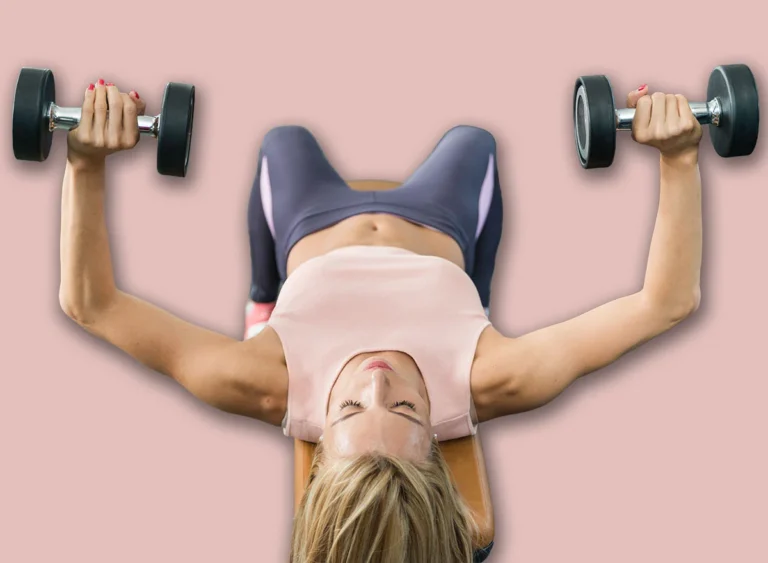
For older adults seeking to regain or enhance shoulder function, bodyweight exercises, particularly those utilizing a wall for support, offer an exceptionally safe and effective pathway. The wall acts as a constant, stable anchor, providing invaluable tactile feedback that helps individuals maintain correct alignment and execute movements with precision. This external support minimizes the fear of instability or falling, which can be a significant psychological barrier to exercise for many seniors. Moreover, bodyweight resistance is inherently scalable; simply adjusting one’s distance from the wall can modify the intensity, making these exercises accessible across a broad spectrum of fitness levels. The emphasis shifts from lifting maximal weight to mastering fundamental movement mechanics, fostering better neuromuscular control and reinforcing healthy patterns before any external load is introduced. This methodical approach is far more conducive to long-term joint health and injury prevention than immediately attempting to lift heavy dumbbells, which can exacerbate existing imbalances or lead to strain if proper form is not yet established.
Here are five cornerstone wall-based exercises, recommended by fitness specialists, designed to systematically fortify the entire shoulder complex, enhance stability, and improve functional movement for individuals over the age of sixty. Consistent practice of these movements can yield significant improvements in daily comfort and physical capability.
1. Wall Push-Ups: Cultivating Foundational Upper Body Power
Wall push-ups serve as an outstanding entry point for developing comprehensive upper body strength, engaging the pectorals, deltoids, triceps, and core musculature. Unlike traditional floor push-ups, the wall version significantly reduces the gravitational load, making it highly accessible and minimizing strain on the wrists and shoulders. This exercise is particularly effective because it allows for controlled movement of the shoulder blades across the rib cage (scapular protraction and retraction), which is crucial for healthy shoulder function. By focusing on slow, deliberate repetitions, individuals can cultivate a profound mind-muscle connection, ensuring that quality of movement takes precedence over quantity. Regular performance of wall push-ups can noticeably improve the ease with which one performs everyday actions such as pushing open doors, moving furniture, or even rising from a chair. To perform, stand facing a wall, place hands slightly wider than shoulder-width apart at chest height, and lean into the wall, bending elbows until your chest nears the surface. Push back to the starting position with control. Adjust your distance from the wall to modify difficulty.
2. Wall Angels: Reclaiming Postural Alignment and Thoracic Mobility
In an era dominated by screens and sedentary lifestyles, rounded shoulders and a slouched upper back (thoracic kyphosis) have become prevalent. Wall angels directly address these postural challenges by targeting the muscles responsible for retracting and depressing the shoulder blades, such as the rhomboids and lower trapezius, while simultaneously promoting mobility in the thoracic spine and glenohumeral joint. This exercise helps to counteract the forward-slumped posture, fostering a more upright and open chest. Many practitioners report a reduction in neck and upper back tension, alongside a perception of standing taller, after consistent engagement with wall angels. To execute, stand with your back against a wall, feet slightly forward. Press your head, shoulders, and hips against the wall. Bring your arms up to shoulder height, elbows bent at 90 degrees, palms facing forward, pressing your forearms and hands against the wall as much as possible. Slowly slide your arms upwards, keeping contact with the wall, mimicking a snow angel motion, then return to the start. The goal is to maintain continuous contact with the wall throughout the movement.
3. Wall Slides: Enhancing Overhead Reach and Scapular Control
Wall slides are indispensable for improving the intricate coordination required for overhead arm movements, a common area of difficulty for many older adults. This exercise specifically strengthens the dynamic stabilizers of the shoulder, including components of the rotator cuff and the serratus anterior, while guiding the scapula through its natural upward rotation. By maintaining continuous contact between the forearms and the wall, individuals are encouraged to adopt optimal shoulder positioning, which is critical for preventing impingement and promoting smooth, unhindered elevation of the arm. Clients frequently observe a noticeable improvement in the fluidity and comfort of reaching overhead after incorporating wall slides into their regimen. Even subtle enhancements in shoulder mechanics can translate into substantial improvements in functional ease. To perform, stand with your back against the wall, similar to wall angels. Bring your arms up, elbows bent, pressing your forearms and wrists against the wall. Slowly slide your arms overhead, maintaining contact, until they are fully extended or as high as comfortably possible, then reverse the motion.
4. Wall Shoulder Taps: Building Unilateral Stability and Core Engagement
This dynamic exercise synergistically blends shoulder stability with core strength and balance, offering a progression from more static movements. By supporting the body against the wall while lifting one hand to tap the opposite shoulder, the stabilizing muscles around the standing shoulder are intensely activated to prevent rotation and maintain equilibrium. This unilateral challenge is often more demanding than it appears, effectively engaging the deltoids, rotator cuff, and core muscles (particularly the obliques and transverse abdominis). Beyond strength, wall shoulder taps also hone coordination, making everyday tasks that involve single-arm movements or carrying objects feel more controlled and less cumbersome. It serves as an excellent next step once individuals have become proficient and comfortable with wall push-ups. Begin in a wall push-up position, hands shoulder-width apart. While maintaining a stable core and minimal body sway, lift one hand and tap the opposite shoulder, then return the hand to the wall. Alternate sides.
5. Wall Plank Hold: Developing Full-Body Isometric Endurance
To conclude a comprehensive shoulder routine, the wall plank hold provides an outstanding means of developing isometric endurance across the entire upper body and core, simultaneously reinforcing exemplary posture. Unlike floor planks, the wall variant is significantly more accessible for most adults over sixty, yet it still presents a considerable challenge to muscular endurance. This exercise builds sustained strength in the shoulders, chest, arms, and deep core stabilizers, promoting a cohesive and stable trunk. Individuals who consistently incorporate wall planks into their routine often report not only stronger shoulders but also an improved overall posture throughout their day. It represents a straightforward yet highly effective method for cultivating the intrinsic stability that underpins healthy and resilient shoulders. Assume a position similar to a wall push-up, hands shoulder-width apart on the wall, body straight from head to heels. Engage your core, drawing your navel towards your spine, and hold this rigid position for a designated period, typically 20-45 seconds, focusing on maintaining perfect alignment and preventing any sagging in the hips or shoulders.
Integrating these wall-based exercises into a regular fitness regimen, ideally two to three times per week, can profoundly impact an older adult’s physical well-being. It is crucial to approach each movement with intention, focusing on proper form and listening to the body’s signals, ensuring all movements remain pain-free. While these exercises lay a robust foundation, they should be viewed as part of a broader health strategy that includes cardiovascular activity, lower body strengthening, and flexibility work. Consulting with a certified personal trainer, physical therapist, or healthcare provider is always advisable before embarking on any new exercise program, especially for those with pre-existing conditions or a history of injury. By prioritizing stability and functional movement through intelligent, age-appropriate exercise, older adults can proactively manage their shoulder health, ensuring continued independence, comfort, and vitality for many years to come.
About the Author