
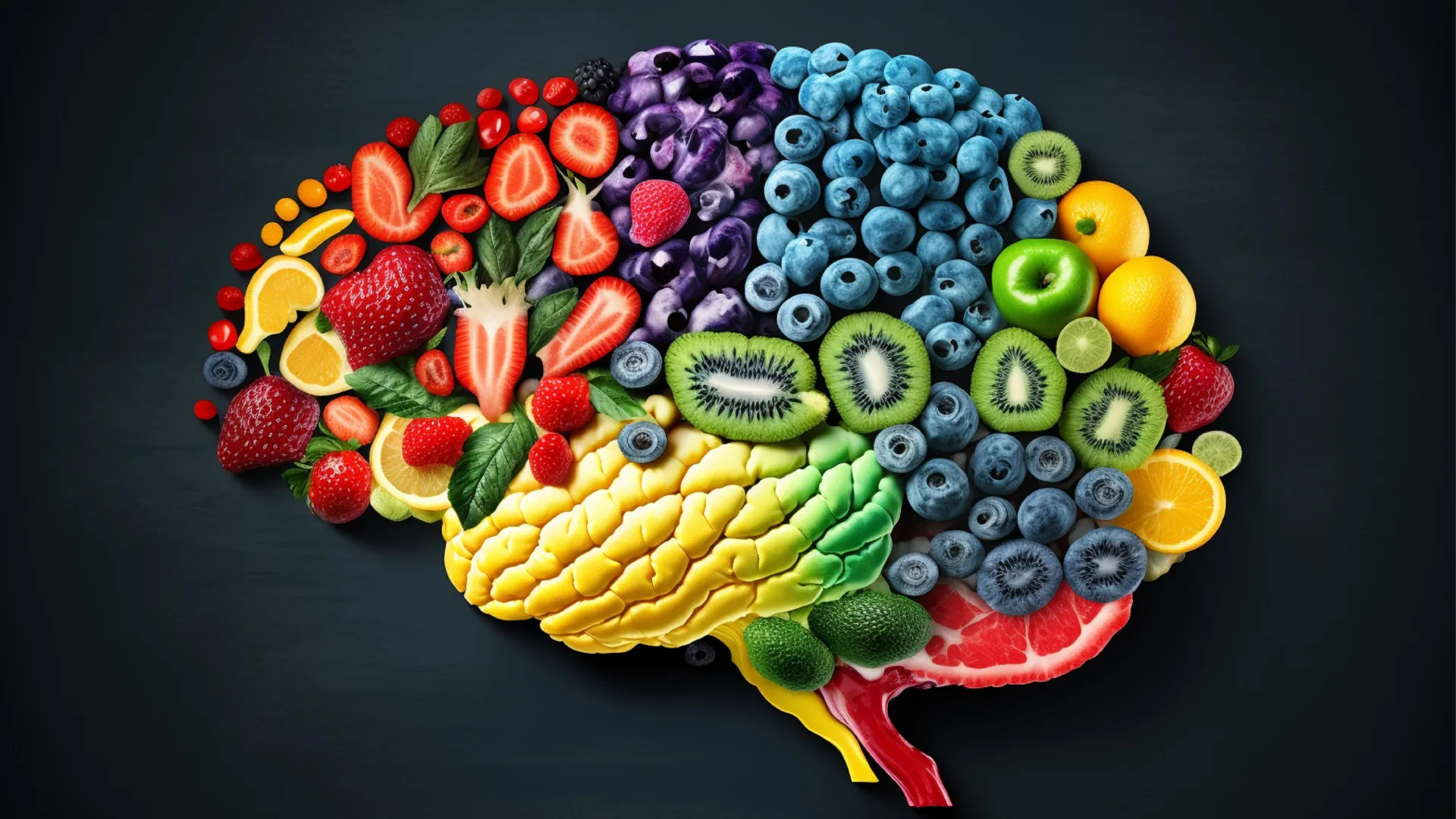
A groundbreaking longitudinal study, recently published in the esteemed Journal of Neurology Neurosurgery & Psychiatry, has shed new light on the profound influence of dietary patterns on the structural integrity of the aging brain. The research indicates that a specific nutritional approach, known as the Mediterranean-DASH Intervention for Neurodegenerative Delay (MIND) diet, is associated with a discernible deceleration in certain age-related cerebral alterations, potentially offering a protective effect equivalent to delaying brain aging by several years. This significant finding underscores the critical role of lifestyle choices in maintaining neurological health throughout the lifespan.
The human brain, a marvel of biological engineering, undergoes predictable structural changes as we age. These include a gradual reduction in overall brain volume, particularly in crucial areas like grey matter, which is densely packed with neuronal cell bodies and plays a pivotal role in higher cognitive functions such as memory, learning, decision-making, and information processing. Concurrently, the fluid-filled spaces within the brain, known as ventricles, tend to enlarge as surrounding brain tissue atrophies. While some degree of these changes is a normal part of aging, an accelerated pace can be indicative of heightened risk for cognitive decline and neurodegenerative conditions like Alzheimer’s and Parkinson’s diseases. Understanding modifiable factors that can mitigate these structural shifts is paramount in the quest for healthy aging.
At the heart of this investigation lies the MIND diet, a nutritional strategy meticulously crafted to promote neurological wellness. This innovative dietary framework represents a synergistic fusion of two well-established heart-healthy eating plans: the Mediterranean diet and the Dietary Approaches to Stop Hypertension (DASH) diet. The Mediterranean diet, renowned for its emphasis on plant-based foods, healthy fats, and moderate consumption of lean proteins, has long been linked to cardiovascular benefits and overall longevity. The DASH diet, conversely, is specifically designed to lower blood pressure through a focus on fruits, vegetables, whole grains, and lean proteins while limiting sodium, saturated fats, and cholesterol. By integrating the most brain-protective elements of both, the MIND diet aims to provide comprehensive support for cognitive function and neural resilience.
The core tenets of the MIND diet strongly advocate for daily consumption of green leafy vegetables and other vegetables, berries, nuts, and whole grains. It also encourages regular intake of fish, beans, and poultry, primarily recommending olive oil as the main cooking fat. Moderate wine consumption is also included. Conversely, the diet explicitly advises limiting or avoiding foods that are generally considered detrimental to cardiovascular and metabolic health, and by extension, brain health. These include butter and margarine, cheese, red meat, pastries and sweets, and fried fast foods. The rationale behind these recommendations is rooted in the understanding that components like antioxidants found in berries and leafy greens can combat oxidative stress, while healthy fats from olive oil and nuts support neuronal membrane integrity, and lean proteins from fish and poultry provide essential building blocks without contributing to inflammation.
Previous research has indeed suggested a link between adherence to the MIND diet and improved cognitive outcomes, including better memory and reduced risk of Alzheimer’s disease. However, the precise relationship between this dietary pattern and the actual structural changes occurring within the brain over time had remained less definitively explored. This recent study sought to bridge that knowledge gap, offering invaluable insights into how consistent dietary choices might physically reshape the brain’s trajectory through the aging process.
To achieve this, researchers drew upon data from the venerable Framingham Heart Study Offspring cohort (FOS), a multi-generational, community-based study that has continuously tracked the health and lifestyle of its participants for decades. This particular analysis involved 1,647 middle-aged and older adults, with an average age of 60 at the study’s commencement. The longitudinal nature of the FOS was critical, as participants underwent rigorous health evaluations every four to eight years, providing a rich dataset of physiological measurements and lifestyle information.
A key component of this investigation involved advanced neuroimaging. Starting in 1999, participants began receiving regular Magnetic Resonance Imaging (MRI) brain scans every two to six years, allowing researchers to meticulously track subtle, long-term changes in brain structure. Each participant included in the analysis had completed at least two brain MRI scans between 1999 and 2019 and showed no signs of stroke or dementia at the time of their initial scan, ensuring that the observed changes were attributable to age and lifestyle factors rather than pre-existing neurological conditions. Dietary intake was comprehensively assessed through multiple food frequency questionnaires (FFQs) administered during check-ups between 1991-1995, 1995-1998, and/or 1998-2001, providing a robust measure of long-term eating habits.
The study participants exhibited a wide range of adherence to the MIND diet, with an average score just under 7 out of a possible 15 points, where 15 represented the highest level of adherence. Interestingly, individuals who demonstrated the strongest commitment to the MIND diet tended to share certain demographic and lifestyle characteristics. They were more frequently women and possessed a college education. Furthermore, this group was less likely to smoke or suffer from obesity, and they exhibited a lower prevalence of conditions known to negatively impact brain health, such as type 2 diabetes, high blood pressure, and cardiovascular disease. These correlations highlight the intricate interplay between diet and other health-promoting behaviors, suggesting that a holistic approach to wellness often includes multiple beneficial habits.
Over an extensive average follow-up period spanning 12 years, the MRI scans revealed the expected age-related transformations across the entire cohort. These included measurable reductions in total brain volume, grey matter volume, white matter volume, and hippocampal volumes. The hippocampus, a small but vital structure deep within the temporal lobe, is intimately involved in memory formation and is particularly vulnerable in neurodegenerative diseases. Concurrently, increases were observed in the volume of cerebrospinal fluid (CSF) and the brain’s ventricles, along with an uptick in white matter hyperintensities – bright spots on MRI scans that can signify small vessel disease or micro-damage to brain tissue.
However, the analysis revealed a compelling divergence among participants based on their dietary adherence. Individuals with higher MIND diet scores experienced a significantly slower rate of grey matter loss. Specifically, for every three-point increment in a participant’s MIND diet score, there was an associated reduction in grey matter loss by approximately 0.279 cubic centimeters per year. According to the researchers’ calculations, this translated to a remarkable 20% less age-related decline in grey matter and was considered equivalent to a delay in brain aging of approximately 2.5 years.
A similar protective pattern emerged concerning ventricular enlargement. A three-point increase in MIND diet adherence correlated with a slower expansion of total ventricular volume by about 0.071 cubic centimeters per year. This represented an 8% reduction in the rate of tissue loss contributing to ventricular growth and was estimated to correspond to approximately one year of delayed brain aging. These quantitative findings underscore the tangible structural benefits associated with consistent adherence to the MIND diet.
Delving deeper into specific food components, the study identified certain items that appeared to contribute more potently to these favorable associations. Higher intake of berries, for instance, was specifically linked to a slower increase in ventricular volume. Similarly, regular consumption of poultry was associated not only with slower ventricular enlargement but also with a reduced rate of grey matter decline. The researchers hypothesize that the rich antioxidant content of berries may mitigate oxidative stress, while poultry provides high-quality protein essential for neural repair and maintenance, both contributing to neuronal protection and reduced damage.
Conversely, some dietary elements were linked to adverse structural changes. Elevated consumption of sweets was associated with faster ventricular enlargement and greater atrophy of the hippocampus, a critical region for memory. Fried fast foods also showed a detrimental link, correlating with a more pronounced decline in hippocampal volume. The researchers suggested that fried fast foods, often laden with unhealthy fats, trans fats, and advanced glycation end-products, could contribute to systemic inflammation and vascular damage, thereby negatively impacting brain health.
Intriguingly, the study also yielded some unexpected results regarding specific food categories. Contrary to general health advice, higher whole grain intake was associated with several unfavorable structural changes, including accelerated losses of grey matter and hippocampal volume, as well as faster ventricular enlargement. This particular finding warrants further investigation to understand potential nuances or confounding factors. On the other hand, increased cheese consumption, often viewed with caution due to its saturated fat content, showed the opposite pattern. Greater cheese intake was associated with slower declines in grey matter and hippocampal volume, less ventricular enlargement, and fewer white matter hyperintensities. These counter-intuitive results highlight the complexity of dietary research and the possibility that certain foods may have multifaceted effects on brain health that are not yet fully understood or may depend on other dietary contexts.
The overall associations between MIND diet adherence and slower brain aging remained robust across various additional analyses conducted by the researchers. Notably, these benefits appeared to be more pronounced among older participants, suggesting that the MIND diet could be particularly relevant for individuals at a higher risk of accelerated brain aging or those experiencing greater variability in the pace of brain atrophy. Furthermore, stronger associations were observed among participants who were more physically active and among those who maintained a healthy weight, avoiding overweight or obesity. This pattern strongly hints at the possibility that combining a brain-healthy dietary pattern like the MIND diet with other beneficial lifestyle habits, such as regular exercise and weight management, could synergistically enhance protection against neurodegenerative diseases. This reinforces the concept of a holistic approach to brain health, where multiple healthy behaviors converge to optimize neurological resilience.
It is crucial to acknowledge, however, that the findings from this study, being observational in nature, cannot definitively establish a direct cause-and-effect relationship. While the associations are compelling, they do not prove that the MIND diet directly caused the slower brain changes; other unmeasured factors or reverse causality (e.g., healthier brains leading to healthier eating) could play a role. The researchers also noted several limitations inherent to the study design. Food frequency questionnaires, while a standard tool, rely on participants’ accurate recall of their dietary intake over extended periods, which can introduce recall bias. Additionally, the study could not definitively rule out the presence of mild cognitive impairment in participants at the time of their first MRI scan, nor could it fully account for potential changes in dietary habits over the many years of follow-up or the influence of genetic risk factors that were not assessed. Finally, given that the study participants were predominantly of White European descent, the generalizability of these findings to individuals from other ethnic and racial backgrounds may be limited, underscoring the need for further research in diverse populations.
Despite these limitations, the compelling evidence presented by this extensive longitudinal study significantly reinforces the potential of the MIND diet as a valuable component of a brain-healthy lifestyle. The findings lend substantial support to its inclusion in broader strategies aimed at mitigating neurodegeneration and promoting cognitive longevity in aging populations worldwide. As research continues to unravel the intricate connections between diet, lifestyle, and brain health, the MIND diet stands out as a promising, accessible, and practical approach for individuals seeking to proactively safeguard their cognitive future.
About the Author









