Novel Nasal Application of mRNA Technology Reverses Cognitive Decline in Aged Mammals, Offering Hope for Neurodegenerative Therapies.

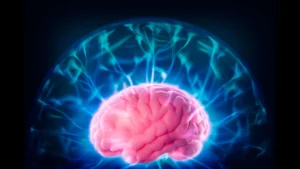
Scientists at the University of Sydney have pioneered an innovative method of delivering therapeutic molecules directly to the brain via nasal drops, demonstrating remarkable success in restoring learning and memory capabilities in aging mice to levels comparable to their younger counterparts. This groundbreaking research, which leverages mRNA technology akin to that employed in COVID-19 vaccines, also proved effective in mitigating severe memory impairments in mice predisposed to Alzheimer’s-like pathology. The implications of this development, spearheaded by Professor Greg Neely at the University of Sydney’s Charles Perkins Centre, extend far beyond Alzheimer’s disease, potentially paving the way for novel treatments for a spectrum of neurological conditions, including other neurodegenerative disorders, the aftermath of strokes, traumatic brain injuries, and even rare genetic and developmental ailments.
Professor Neely highlighted the transformative potential of this research, stating, "Should we be able to accelerate the transition to human clinical trials, this strategy could usher in a world-first, non-invasive method for administering Alzheimer’s treatments that effectively bypasses the formidable blood-brain barrier." The conceptual genesis of this study is as unique as its scientific underpinnings, drawing inspiration from Daniel Keyes’ poignant science fiction novel, Flowers for Algernon. This literary work delves into the complexities of intelligence and its augmentation through experimental interventions on laboratory mice and human subjects, a narrative thread that resonated with the research team’s ambition to enhance cognitive function.
The core mechanism of these experimental nose drops involves the delivery of messenger RNA (mRNA), a crucial biological molecule that carries genetic blueprints instructing cells to synthesize specific proteins. These delicate mRNA instructions are encapsulated within minute, fat-based spheres known as lipid nanoparticles (LNPs). These LNPs serve a dual purpose: safeguarding the mRNA from degradation and facilitating its entry into cells. Upon administration through the nasal passages, the mRNA prompts local cells to act as miniature bio-factories, producing therapeutic proteins designed to reach and benefit the brain.
"In our aged mouse subjects, we observed a substantial enhancement in learning and memory, effectively rejuvenating their cognitive performance to that of a youthful state," Professor Neely reported. He further emphasized the elegance of the approach, noting, "What is particularly compelling is that this significant outcome was achieved using a straightforward, non-invasive nasal delivery system, building upon the same fundamental mRNA-LNP technological framework that became widely recognized during the COVID-19 pandemic."
The scientific investigation, detailed in the esteemed journal Advanced Science, utilized mRNA to stimulate the production of brain-derived neurotrophic factor (BDNF). This naturally occurring protein plays a vital role in supporting the survival of neurons, fostering the formation of neural connections, and promoting neural plasticity, which is essential for learning and memory consolidation. A notable characteristic of aging and Alzheimer’s disease is a decline in BDNF levels.
The empirical evidence was compelling: older mice treated with the nasal drops exhibited cognitive performance on par with their younger, untreated counterparts in standardized assessments of working memory, spatial navigation, and object recognition. These tests are designed to evaluate the capacity to retain recent information, orient within an environment, and identify familiar objects. In stark contrast, untreated elderly mice displayed the expected age-related deterioration in their cognitive faculties.
To further explore the therapeutic potential against Alzheimer’s disease, the research team employed a well-established laboratory model, the 5XFAD mice. These animals are genetically engineered to exhibit Alzheimer’s-like pathological changes and cognitive deficits at an accelerated rate. In this model, the characteristic brain alterations associated with Alzheimer’s typically manifest by two months of age, with observable memory impairments emerging around four months.
The researchers commenced the administration of the BDNF-producing mRNA nose drops when the 5XFAD mice were two months old, coinciding with the initial appearance of disease-related changes. The treatment regimen involved twice-weekly applications. By the age of four months, the treated mice demonstrated a remarkable absence of further cognitive decline, a significant divergence from the profound deterioration typically observed in this experimental model. These findings strongly suggest that early intervention aimed at supporting neuronal health can play a crucial role in preserving cognitive function during the progression of neurodegenerative conditions.
One of the most intriguing findings of the study was what the treatment did not alter. Despite the evident improvements in memory and learning, the researchers observed no reduction in the accumulation of amyloid plaques, the abnormal protein aggregates characteristic of Alzheimer’s disease pathology. This distinction is particularly significant, as many current therapeutic strategies for Alzheimer’s are focused on clearing these plaques. The novel approach, by contrast, appears to bolster the resilience and functionality of neurons, enabling them to remain healthy and active even in the presence of these pathological deposits. If this effect translates to humans, it could offer a complementary strategy to existing plaque-clearing treatments, potentially leading to more comprehensive therapeutic outcomes.
Professor Neely elaborated on this point: "Current Alzheimer’s treatments primarily target the clearance of these amyloid plaques. However, a notable subset of Alzheimer’s patients, approximately one-third, possess significant plaque burden yet do not exhibit dementia. These individuals often display naturally elevated BDNF levels, suggesting that an increase in BDNF might confer resilience to Alzheimer’s disease pathology." He continued, "Our strategy appears to operate not by removing plaques, but by fortifying the health, survival, and interconnectedness of the neurons themselves. This opens up the possibility of synergistic therapeutic interventions."
The inherent challenge in treating neurological diseases lies in effectively delivering therapeutic agents to the brain. The blood-brain barrier, a highly selective physiological filter, impedes the passage of many substances from the bloodstream into the delicate neural tissue, inadvertently blocking beneficial drugs alongside harmful ones. The nasal cavity presents a promising alternative pathway, with established neural connections to the central nervous system that may permit certain therapeutic compounds to reach the brain without invasive procedures such as direct brain injections or spinal taps.
"This represents a highly encouraging proof of concept for a method of delivering mRNA-encoded therapeutic cargo directly to the nervous system through the nasal route," Professor Neely stated. The research team ingeniously adapted mRNA technology, drawing from the same clinically validated platform that underpinned the development of BioNTech’s COVID-19 vaccines. Instead of eliciting an immune response, this modified system provides cells with instructions to produce proteins specifically designed to benefit brain function.
Dr. Maria Bergamasco, the study’s first author and a researcher at the University of Sydney’s School of Life and Environmental Sciences, emphasized the broader implications of these findings: "The success of mRNA vaccines demonstrated the capacity of these systems to safely deliver genetic instructions to cells. Our objective was to explore whether this technology could be repurposed to deliver beneficial proteins to the brain in a completely non-invasive manner."
Furthermore, the researchers observed an increase in neurogenesis, the process of generating new neurons, within the hippocampus. This region of the brain is critically involved in learning and memory and is particularly susceptible to the damage associated with Alzheimer’s disease. The enhanced formation of new neurons offers another potential explanation for the observed improvements in cognitive performance. By promoting neuronal health and adaptability, BDNF may contribute to the maintenance of the neural networks essential for acquiring and retaining information. Throughout the study, the nose drops appeared to be well-tolerated by the mice, with no significant adverse effects reported. Nevertheless, comprehensive long-term safety assessments will be requisite.
While the results in mice are highly encouraging, Professor Neely stressed that the treatment remains in its nascent, experimental phase. Its efficacy has thus far been confined to animal models, and further preclinical safety studies are mandatory before human clinical trials can commence. "Prior to initiating trials in human patients, we must conduct a thorough series of safety evaluations in animal models," he clarified. "It is a very promising avenue, but the anatomical and physiological differences between mouse and human nasal pathways necessitate rigorous testing in humans to ascertain efficacy."
This anatomical disparity is a critical consideration, as a delivery mechanism that proves effective in mice may not translate directly to humans. Despite these challenges, the research team is optimistic about the potential applications. Beyond mitigating Alzheimer’s-related cognitive decline, the technology could eventually be employed to support general cognitive health throughout the aging process. "We envision that our novel therapeutic, should it prove effective in humans, could promote overall cognitive well-being as individuals age, aid in the treatment of a variety of neurodegenerative diseases, and perhaps even enhance cognitive abilities in healthy young individuals," Professor Neely stated.
The immediate future for this research involves refining the nasal delivery technology and conducting further studies to definitively establish its safety and long-term effectiveness. The team’s aspiration is to progress towards human clinical trials as expeditiously as regulatory requirements and scientific validation permit. Professor Neely expressed confidence in the timeline, noting, "Based on prior clinical trial data, we are aware that the individual components utilized in this study are safe for human use. We are hopeful that we can swiftly navigate the necessary safety studies and commence human trials within the next two years." While the constituent elements have a history of safe use in humans, the complete nasal treatment formulation requires its own dedicated safety evaluation, leaving the question of its comparable efficacy in people open for future investigation.
This significant research endeavor was a collaborative effort involving scientists from the Dr. John and Anne Chong Lab for Functional Genomics within the School of Life and Environmental Sciences, the Charles Perkins Centre, and the University of Sydney’s Faculty of Medicine and Health. Professor Greg Neely and Dr. Maria Bergamasco are acknowledged as inventors on a provisional patent application related to this work, with other co-authors reporting no conflicts of interest. Funding for this project was provided by the National Health and Medical Research Council, the NSW Ministry of Health, and a sustained philanthropic contribution from Dr. John and Anne Chong in support of the Neely Lab’s ongoing research. The researchers also expressed their gratitude to the Sydney Imaging Facility for their invaluable assistance. All animal experiments were conducted under the rigorous ethical guidelines approved by the University of Sydney Animal Ethics Committee and in adherence to the Australian Code of Practice for the Care and Use of Animals for Scientific Purposes.

Related News